Animal sanctuary facing closure due to hot weather
An animal sanctuary in Devon is facing closure due to high food and water bills caused by the recent hot weather. The charity is buying £500 of food a week because the grass on its site has died, and temperatures are affecting the animals.
Intelligence analysis by Llama
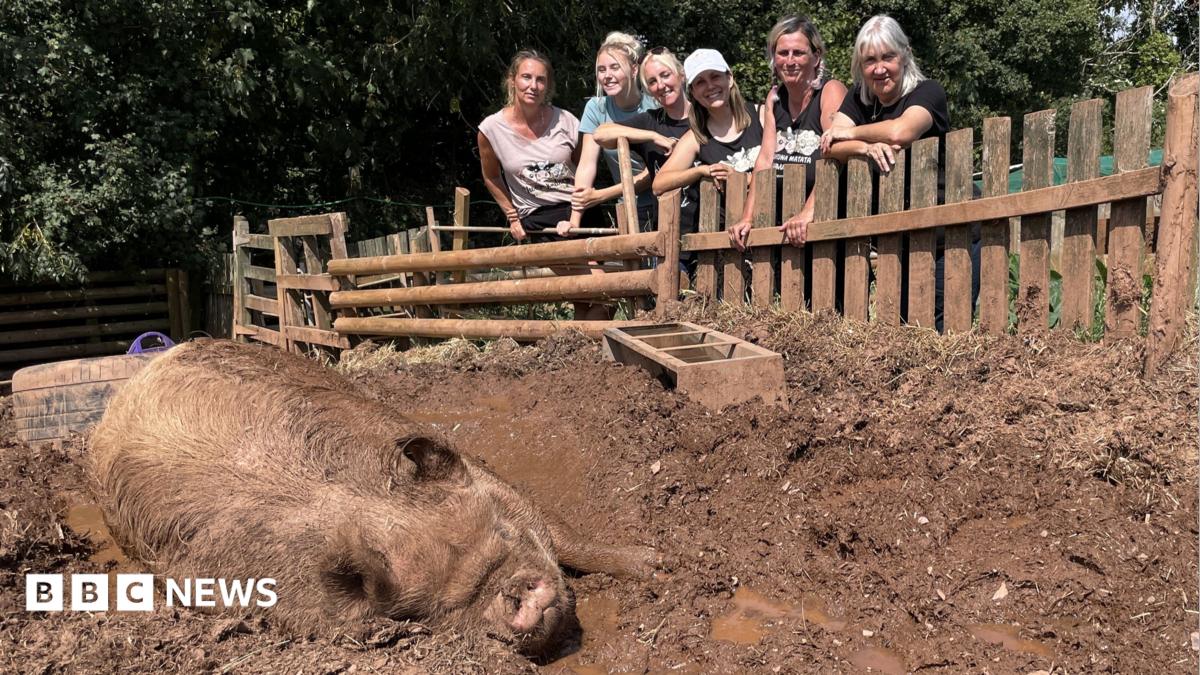
The Hakuna Matata Animal Trust is struggling to stay afloat due to the high costs of food and water caused by the hot weather. A sponsorship scheme has been set up to help keep the charity afloat, otherwise staff are worried it could close within two months.
An animal sanctuary in Devon is in trouble because it's spending too much money on food and water for the animals. The hot weather has killed the grass, so they have to buy more food. They're also having to buy special equipment to keep the animals cool. If they can't get more help, they might have to close and find new homes for all the animals.
Analysis
A Desperate Plea for Help
The Hakuna Matata Animal Trust is on the brink of collapse due to the astronomical costs of food and water caused by the recent hot weather. The charity's founder, Hayley Prescott, has described the thought of having to find new homes for over 20 animals as 'terrifying'. The sanctuary was set up in 2021 to rescue Mustard the pig, who was at risk of being slaughtered if a home was not found for him. Since then, the team of volunteers has taken in a variety of animals, including sheep, chickens, turkeys, cats, alpacas, guinea pigs, and rabbits.
The Financial Strain
The high costs of food and water are not the only financial strain on the charity. The volunteers are also having to buy extra equipment to create more shade for the animals, which is adding to the expense. The water bill is also significantly higher than usual, as the charity is having to constantly redo waters and create mud baths for the pigs to protect them from the sun.
A Community Comes Together
A sponsorship scheme has been set up to help keep the charity afloat, and the volunteers are urging supporters to get involved. Catherine Christie-Mutch, a volunteer at the sanctuary, has described the situation as 'terrifying' and has appealed for help. She has said that the charity has 'lovely supporters, people behind us, but there is only that much we can ask of these people'. The volunteers are worried that if the charity is unable to stay afloat, they will have to find new homes for all the animals, which would be a devastating blow.
Key points
- The Hakuna Matata Animal Trust is facing closure due to high food and water bills caused by the hot weather.
- A sponsorship scheme has been set up to help keep the charity afloat.
- The charity is worried that if they are unable to stay afloat, they will have to find new homes for over 20 animals.
- The volunteers are appealing for help to support the charity and keep it afloat.
If the community comes together to support the charity, it's possible that they will be able to stay afloat and continue to care for the animals. The sponsorship scheme is a good start, and with more support, they might be able to overcome the financial difficulties.
If the charity is unable to stay afloat, it's likely that the animals will have to be rehomed, which could be a difficult and traumatic experience for them. The volunteers are worried that they will not be able to find new homes for all the animals, and this could lead to a significant increase in animal welfare issues.