Anthropic is discussing a new custom chip with Samsung
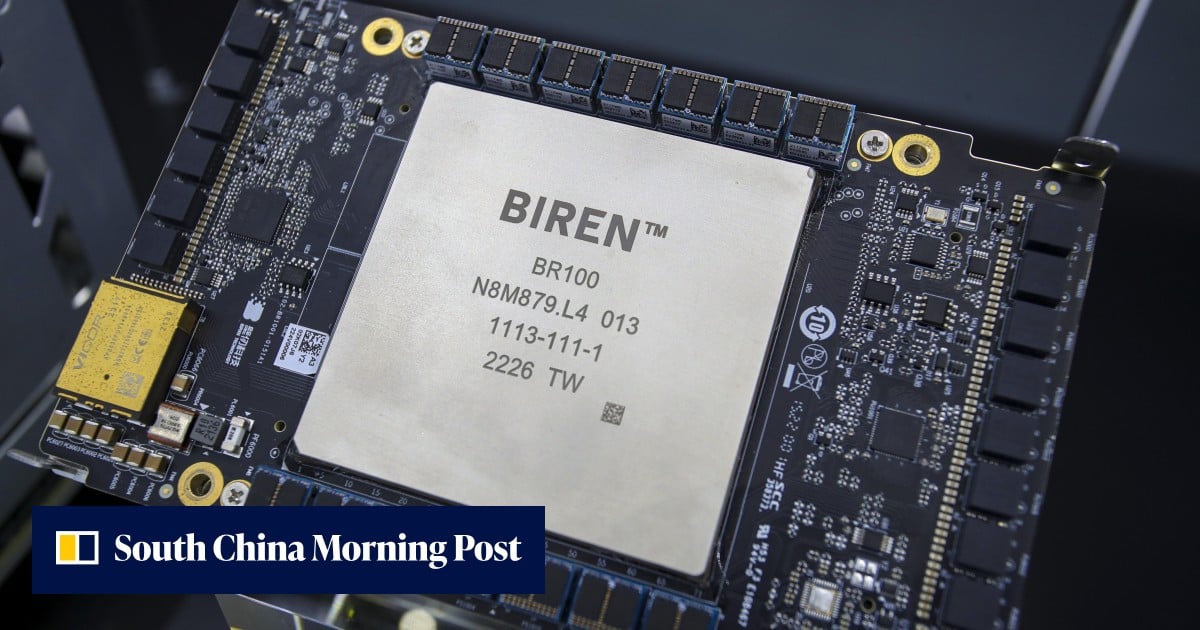
Anthropic is reportedly in discussions with Samsung to develop a custom AI chip, a move that follows earlier reports of the company exploring in-house chip production to address shortages and gain independence from Nvidia.
Intelligence analysis by Gemini 2.5 Flash

Leading AI company Anthropic is exploring a partnership with Samsung to develop its own custom AI chip. This initiative reflects a broader trend among major AI players to diversify their hardware stack, reduce reliance on dominant chip manufacturers like Nvidia, and optimize performance for specific AI tasks, especially as competitors like OpenAI also pursue custom silicon solutions.
Imagine a super-smart robot brain company, Anthropic, wants to make its robots think even faster. Instead of buying regular brain parts from a big store, they're talking to a company called Samsung about building special, custom brain parts just for their robots. It's like getting a custom-built engine for a race car instead of a standard one, so it runs perfectly for their specific races.
Analysis
The Drive for Custom Silicon
Anthropic's reported discussions with Samsung regarding a custom AI chip highlight a significant strategic shift within the artificial intelligence industry. The move is primarily driven by a desire to mitigate the impact of persistent chip shortages, which have plagued the tech sector, and to reduce an overarching dependence on Nvidia, the current undisputed leader in AI chip manufacturing. By developing proprietary hardware, companies like Anthropic aim to gain greater control over their supply chains and ensure a more stable and predictable access to the specialized compute power essential for training and running their advanced AI models.
Furthermore, custom chips offer the potential for highly optimized performance tailored to specific AI workloads. Unlike general-purpose GPUs, a custom-designed chip can be engineered from the ground up to execute the unique computational patterns of Anthropic's models more efficiently, potentially leading to significant gains in speed, power efficiency, and cost-effectiveness. This bespoke approach allows for hardware-software co-design, unlocking new levels of innovation and competitive advantage that off-the-shelf solutions might not provide.
A Competitive Edge in AI Hardware
Anthropic's exploration into custom silicon also appears to be a direct response to similar initiatives by its key competitors. Just last week, OpenAI announced its collaboration with Broadcom to develop its own custom inference processor, dubbed “Jalapeño,” which it claims offers superior performance-per-watt. This competitive pressure underscores the belief that proprietary hardware is becoming a crucial differentiator in the race to build and deploy the most advanced AI systems. Amazon and Google have already established their own custom-built TPUs (Tensor Processing Units) as integral components of their cloud offerings, demonstrating the long-term strategic value of such investments.
The ability to control the entire stack, from the foundational hardware to the sophisticated AI models, can provide a significant competitive edge. It allows companies to innovate faster, experiment with novel architectures, and potentially offer more cost-effective services to their customers. This trend suggests that the future of AI leadership may increasingly depend not just on algorithmic breakthroughs, but also on the underlying hardware infrastructure that powers them.
Samsung's Strategic Position
Samsung's potential partnership with Anthropic is a testament to its deep entrenchment and strategic importance within the AI industry. Samsung is already a major partner for Nvidia, manufacturing the chips critical for training and running AI models, and in turn, utilizes Nvidia's software for its manufacturing processes. This existing relationship, coupled with ongoing collaborations like the AI chip factory in South Korea, positions Samsung as a highly capable and experienced partner for any company venturing into custom silicon development.
Moreover, Samsung has also been in discussions with Google regarding its chip-making efforts, further solidifying its role as a pivotal player in the broader AI hardware ecosystem. For Anthropic, leveraging Samsung's extensive manufacturing expertise and established supply chain could significantly de-risk the complex and capital-intensive process of developing and producing a custom AI chip. This collaboration could enable Anthropic to accelerate its hardware ambitions while Samsung expands its footprint in the burgeoning market for specialized AI processors.
Key points
- Anthropic is discussing a partnership with Samsung to develop a custom AI chip.
- The move aims to address chip shortages and reduce reliance on Nvidia, the current market leader.
- Other major AI companies like OpenAI, Google, and Amazon are also pursuing custom silicon solutions.
- Samsung is already a key partner for Nvidia and Google in chip manufacturing, making it a strategic collaborator.
- The specific use, power, and server integration of Anthropic's potential chip are still undecided.
Developing a custom chip could allow Anthropic to optimize its AI models for superior performance and energy efficiency, potentially leading to faster, more powerful, and more cost-effective AI services. This independence from third-party chip suppliers could also enhance supply chain stability and foster greater innovation in hardware-software co-design.
The development of custom chips is a highly complex and expensive endeavor, carrying significant risks of technical challenges, cost overruns, and delays. There's no guarantee the custom chip will outperform existing solutions or that the partnership with Samsung will yield the desired results, potentially diverting resources from core AI research.