Araghchi rejects attack on Barzani's office as false flag op.
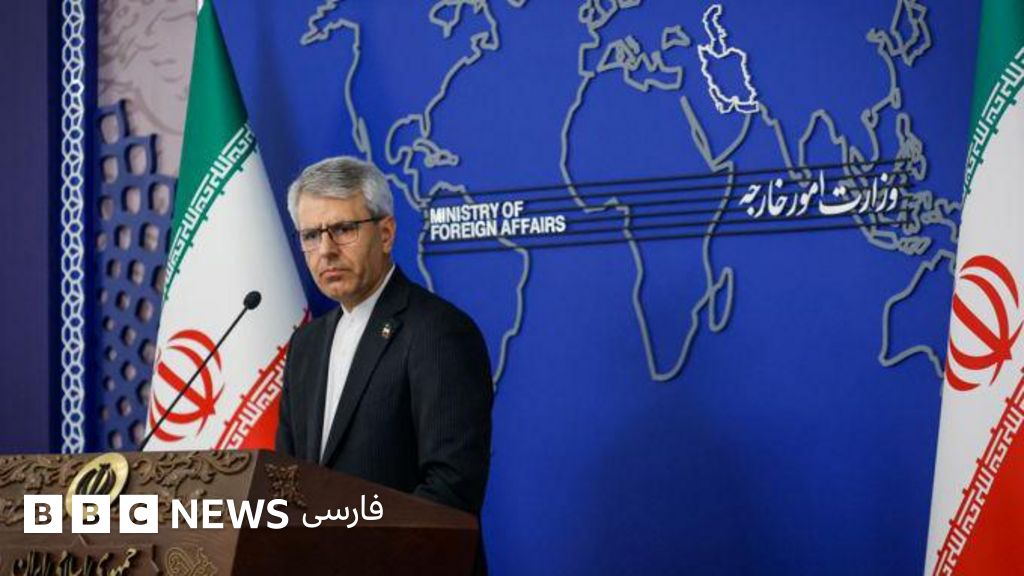
Iranian Foreign Minister Abbas Araghchi has condemned the attack on Iraqi Kurdistan Region's Prime Minister Masrur Barzani's office, calling it a false flag operation. Araghchi emphasized the importance of vigilance against such ploys and expressed gratitude for the secur…
Intelligence analysis by Llama

Iranian Foreign Minister Abbas Araghchi has rejected the attack on Iraqi Kurdistan Region's Prime Minister Masrur Barzani's office as a false flag operation. Araghchi urged Kurdish friends to be vigilant against such ploys and expressed gratitude for the security provided by the Kurdish people on Iran's border.
Imagine you're playing a game with your friends, and someone tries to trick you into thinking they're on your side, but really they're trying to cause trouble. That's kind of what's happening in the region right now, with some people trying to trick others into thinking they're friends, but really they're trying to cause problems. Iran is trying to be careful and not get tricked, and is urging its friends to be vigilant too.
Analysis
False Flag Operations: A Threat to Regional Stability
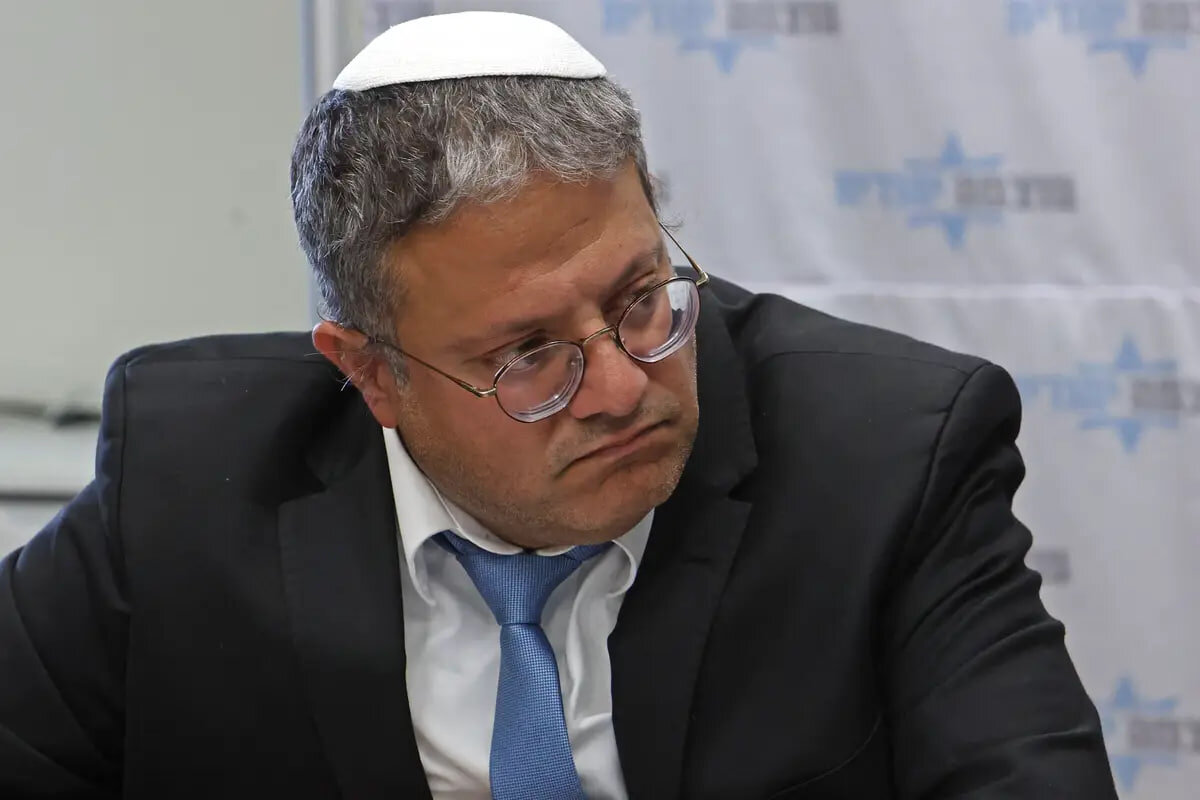
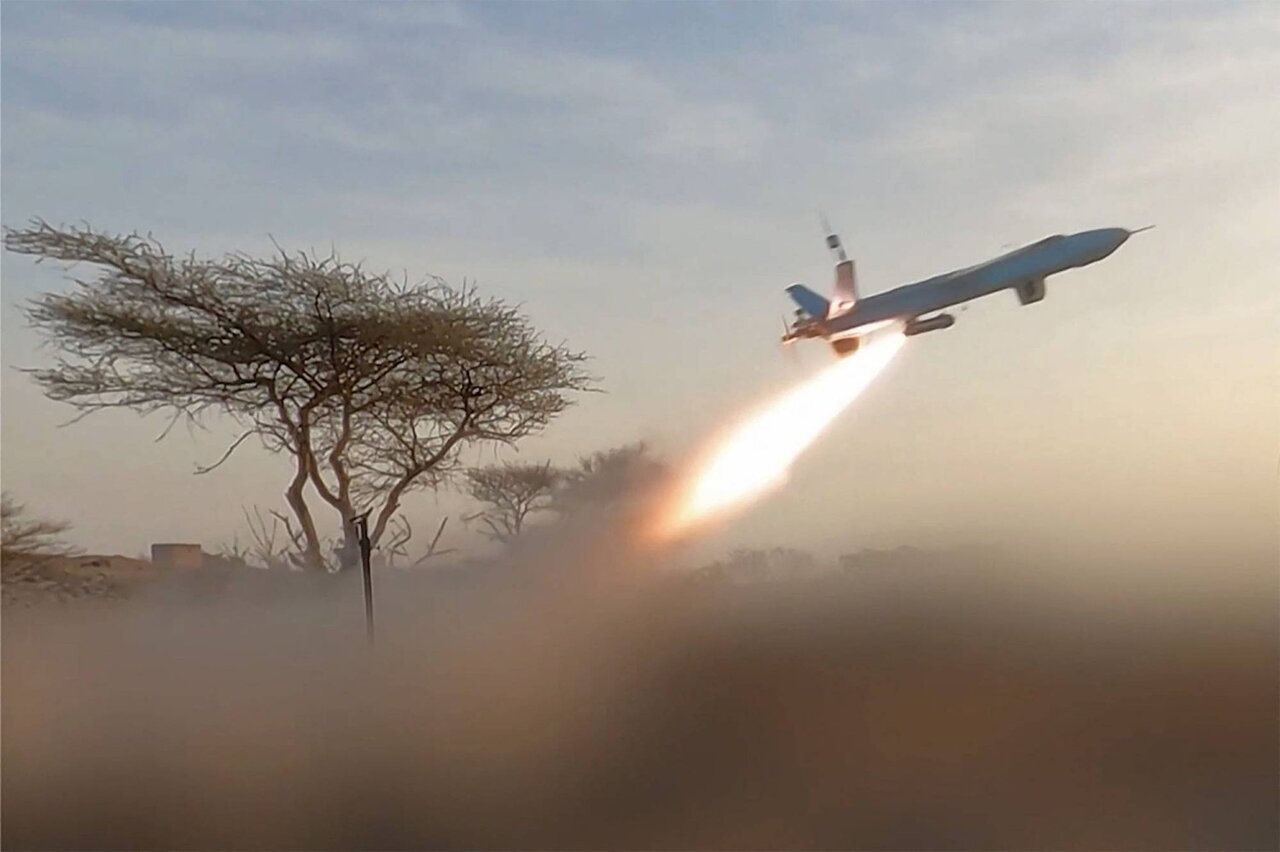
The recent attack on Iraqi Kurdistan Region's Prime Minister Masrur Barzani's office has been condemned by Iranian Foreign Minister Abbas Araghchi as a false flag operation. This development highlights the ongoing tensions in the region and the need for vigilance against such ploys.
Araghchi emphasized the importance of being vigilant against false flag operations, which can be used to sow discord between neighbors. He also expressed gratitude for the security provided by the Kurdish people on Iran's border, noting that Iran had protected its Kurdish friends against Saddam and DAESH.
The attack on Barzani's office is a stark reminder of the complexities of the region and the need for careful diplomacy to maintain regional stability. Iran's stance on this issue is crucial, as it can have far-reaching implications for the region.
Regional Tensions: A Delicate Balance
The region is already experiencing heightened tensions, with various actors vying for influence. The attack on Barzani's office has added a new layer of complexity to the situation, with Iran's condemnation of the attack serving as a reminder of the delicate balance of power in the region.
Iran's relationship with the Kurdish people is a critical aspect of regional dynamics. The country has historically maintained good relations with the Kurds, who have provided security on Iran's border. However, the recent attack on Barzani's office has raised questions about the nature of these relations and the potential for future tensions.
Implications for Regional Stability
The implications of the attack on Barzani's office are far-reaching and complex. Iran's condemnation of the attack has served as a reminder of the country's commitment to regional stability, but the situation remains precarious.
The region is already experiencing heightened tensions, with various actors vying for influence. The attack on Barzani's office has added a new layer of complexity to the situation, with Iran's stance on this issue serving as a critical factor in maintaining regional stability.
Key points
- Iranian Foreign Minister Abbas Araghchi has condemned the attack on Iraqi Kurdistan Region's Prime Minister Masrur Barzani's office as a false flag operation.
- Araghchi emphasized the importance of vigilance against such ploys and expressed gratitude for the security provided by the Kurdish people on Iran's border.
- The attack on Barzani's office highlights the ongoing tensions in the region and the need for careful diplomacy to maintain regional stability.
If the situation is handled carefully, it's possible that the region can avoid further escalation and maintain stability. Iran's condemnation of the attack and its commitment to regional stability can help to de-escalate tensions and promote a more peaceful outcome.
However, the situation remains precarious, and there is a risk of further escalation if the parties involved are not careful. The attack on Barzani's office has added a new layer of complexity to the situation, and it will take careful diplomacy to prevent further tensions from arising.