Armenia's pro-West government wins election despite Russian pressure
Nikol Pashinyan's Civil Contract party won Armenia's election, strengthening his pro-West course despite pressure from Russia.
Intelligence analysis by GPT-5.4 Mini
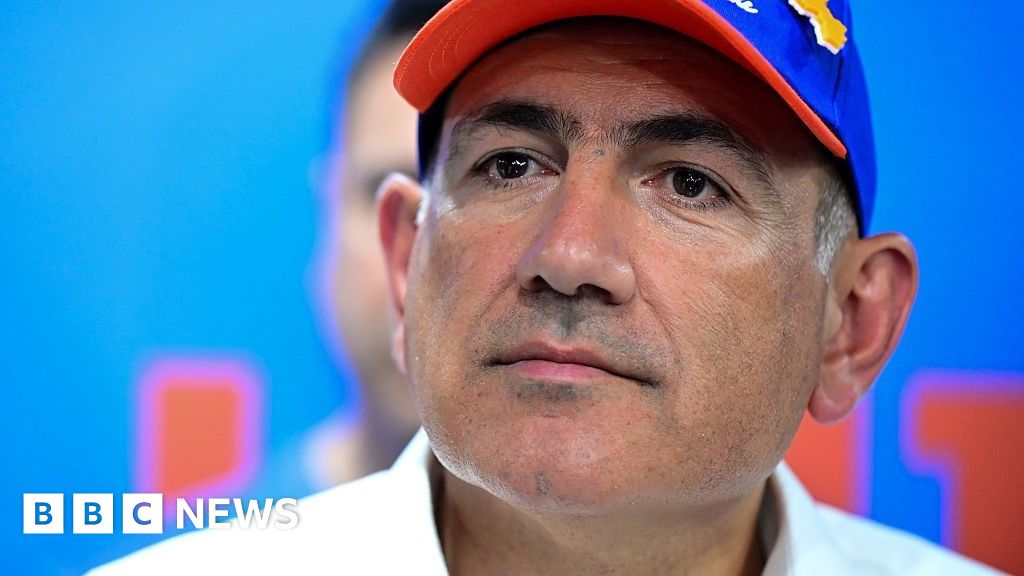
Armenia's ruling party kept power in a closely watched election seen as a test of whether the country will keep moving toward the West. The result came despite Russian economic pressure, ongoing anger over the Nagorno-Karabakh defeat, and deep public divisions over peace with Azerbaijan.
Armenia held a big vote about which team should lead the country. The winning team wants to get closer to Europe, while Russia tried to push Armenia the other way, like two strong hands tugging on the same rope.
Analysis
What happened
Prime Minister Nikol Pashinyan's Civil Contract party won Armenia's election with 49.8% of the vote, ahead of the Strong Armenia Alliance on 23.2% and the Armenia Alliance on 9.9%, according to the article. Turnout was 59%.
The vote was widely seen as a verdict on Pashinyan's direction for the country: deeper ties with the West, while still remaining in the Russian-led Eurasian Economic Union. Early results prompted him to declare victory, saying Armenians had voted for peace, regional prosperity, and cooperation.
Why it was a stress test
The election took place after a damaging 2023 military defeat to Azerbaijan and amid worsening relations with Moscow. The article says Russia increased pressure before the vote, including public warnings about the economic costs of moving closer to the EU and a ban on exports of several Armenian goods, including flowers, mineral water, cognac, vegetables, and fruit.
Pashinyan has tried to balance competing tracks. He pushed a law starting the process of joining the EU, sped up peace talks with Azerbaijan through a US-brokered deal, and hosted EU leaders and Ukraine's Volodymyr Zelensky in Yerevan. France and the EU congratulated him after the result.
What remains unresolved
The article makes clear that Armenia's EU path is still long. The country does not have EU candidate status, and Pashinyan's domestic support has fallen sharply since 2021, largely because of anger over Nagorno-Karabakh and the concessions tied to peace with Azerbaijan. Public opinion on the peace deal also appears split, so the government enters its next phase with a mandate, but not a settled national consensus.
Key points
- Pashinyan's Civil Contract party won Armenia's election with 49.8% of the vote.
- The election was seen as a test of Armenia's move toward the West under Russian pressure.
- Russia had warned about economic costs and restricted some Armenian exports before the vote.
- Pashinyan is still pursuing EU ties while keeping Armenia in the Eurasian Economic Union for now.
- Public opinion remains divided over the peace process with Azerbaijan and the losses over Nagorno-Karabakh.
If the result holds, Pashinyan can keep pushing talks with Azerbaijan and continue closer cooperation with the West. That could help Armenia avoid more conflict and keep some room to balance between bigger powers.
The result does not erase Armenia's deep divisions over the Azerbaijan peace process or the anger tied to Nagorno-Karabakh. Russia still has leverage through trade and energy, so pressure on the government could continue even after the election.