As Donald Trump turns 80, he faces a foe he can never defeat: Father Time. That’s a problem for us all
The Guardian says Trump is showing signs of ageing, raising questions about his fitness and the risks of hiding decline.
Intelligence analysis by GPT-5.4 Mini
The article argues that Trump’s 80th birthday is more than a personal milestone: it spotlights concerns about his judgment, energy, and health. It says the White House tries to project vigour, but visible signs and public polling are fueling distrust.
The article says Trump is like an old car still being driven hard: it may keep moving, but people can see signs it is wearing out. Since he runs a powerful country, even small worries about his health can matter a lot.
Analysis
What the piece argues
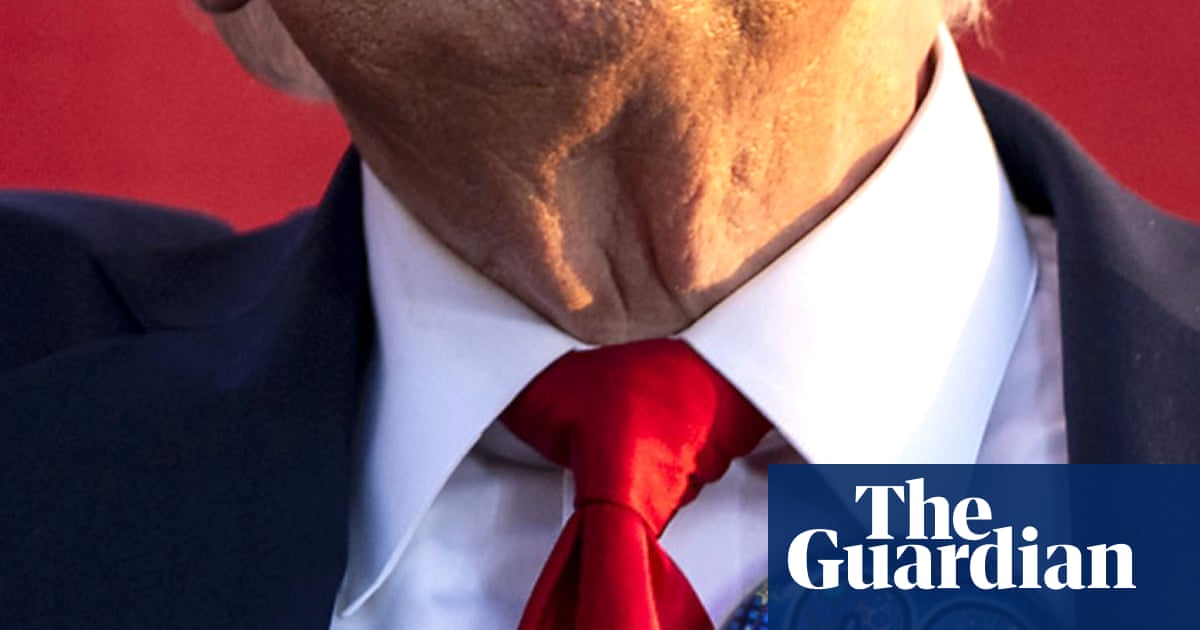
The Guardian frames Donald Trump’s 80th birthday as a test of presidential stamina and transparency. It says he is the oldest U.S. president sworn into office and that critics see growing evidence of decline, including irritability, moments of apparent sleepiness at public events, and visible physical issues such as bruised hands and swollen ankles.
The signs and the spin
The article says Trump’s schedule has become sparse, with long stretches of “executive time” and more closed-door meetings. It also says his aides work hard to present him as vigorous, while his medical team dismisses concerns and the White House insists he is still exceptionally sharp and accessible. The gap between the images of health and the concerns raised by observers is presented as a source of increasing mistrust.
Why the optics matter
Several critics quoted in the piece argue that trying to conceal ageing can backfire. They suggest that being open about physical limits would look stronger than denial. The article also notes that this issue echoes the scrutiny Joe Biden faced, and it points to a broader pattern in U.S. politics where age, transparency, and competence become intertwined.
Bigger context
The story places Trump’s birthday alongside a politically charged moment: an unpopular war, inflation, weak polling, and a planned White House event featuring cage fighting on the South Lawn. The article’s central warning is that the risks of an ageing president are not just personal. They may affect how the country is governed and how the world perceives American leadership.
Key points
- The Guardian says Trump is turning 80 while critics question his age-related decline.
- The article cites apparent signs such as dozing at events, bruised hands, swollen ankles, and irritability.
- Aides insist Trump remains sharp, but observers say the White House’s denial is unconvincing.
- The piece links the issue to wider concerns about leadership, trust, and U.S. stability.
- It also compares Trump’s scrutiny to the criticism Joe Biden faced over age and capacity.
If the White House’s confidence is justified, Trump could continue governing effectively despite his age, and concerns about decline may prove overstated. Clearer communication about his health could also reduce suspicion and calm public debate.
If the signs observers are worried about keep growing, distrust around Trump’s judgment and stamina could deepen. The article suggests that efforts to hide decline may make the problem look worse and raise broader concerns about stability and decision-making.