As Putin courts Southeast Asia, does ‘Russia need Asean more’?
Russia’s Asean summit in Kazan could help ease Southeast Asia’s energy strain and Moscow’s isolation, but attendance is still uncertain.
Intelligence analysis by GPT-5.4 Mini
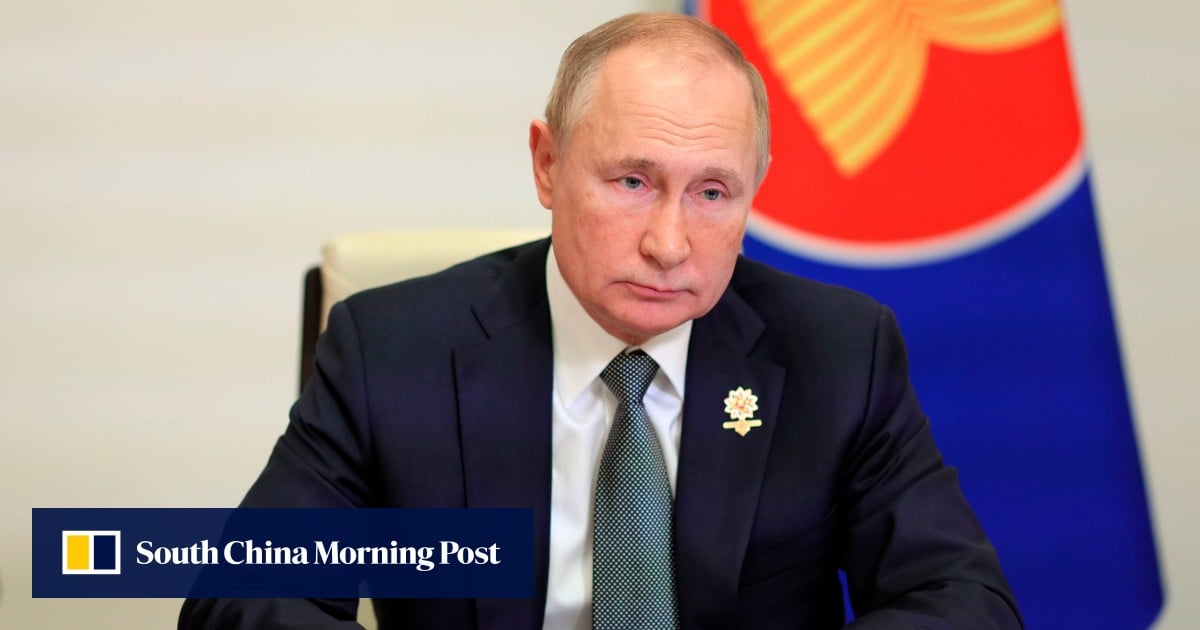
Putin’s Asean outreach is framed as a two-way need: Southeast Asia wants energy, while Russia wants partners. The Kazan summit may advance both goals, but it is unclear whether all Asean leaders, including the Philippines’ Marcos, will attend.
Russia is inviting Southeast Asian leaders to a big meeting like a school club trying to make new friends. Russia wants company, and the countries want help with energy, but some leaders may skip it because they already have other important friends.
Analysis
A summit with two motives
Russia and Asean are set to meet in Kazan on June 17–18, marking 35 years of diplomatic relations. The article frames the summit as a chance for Southeast Asia to look for energy relief while Moscow seeks to break out of diplomatic isolation.
Attendance is still uncertain
Not every Asean leader is expected to show up, and the biggest question is whether Philippine President Ferdinand Marcos Jnr, the current Asean chair, will attend. Philippine Foreign Secretary Theresa Lazaro said she had spoken with Russian Foreign Minister Sergey Lavrov about the event and discussed the prospects of expanding Russia’s strategic partnership with Asean. But the Philippines has not confirmed Marcos’s attendance.
Lavrov, writing on the Russian Foreign Ministry website, said Moscow looks forward to welcoming the heads of all Asean member states and singled out Marcos. That creates diplomatic pressure, but it does not resolve the uncertainty.
Why the Philippines is torn
Analyst Lucio Blanco Pitlo III said Manila faces competing pressures. On one hand, he said the region’s acute energy deficit makes improved ties with Russia sensible. On the other, the Philippines’ deepening security ties with the US and Japan may weigh against a warmer political embrace of Moscow.
The article suggests the summit is less about symbolism alone and more about whether Asean members can turn broad diplomacy into practical benefits. Russia wants friends and relevance; Southeast Asia wants energy security. Whether those interests align enough to produce real gains depends on who actually shows up and how far the talks go.
Key points
- Russia and Asean are meeting in Kazan on June 17–18 for the 35th anniversary of their diplomatic ties.
- The summit is being framed as a way to help Southeast Asia’s energy needs and Russia’s need for partners.
- Philippine President Ferdinand Marcos Jnr’s attendance has not been confirmed.
- Analyst Lucio Blanco Pitlo III said Manila sees both energy upside and security tradeoffs.
- Moscow says it hopes all Asean leaders will attend, but the bloc is not yet unified on the trip.
If the summit draws broad Asean attendance, it could open the door to more practical energy cooperation and a stronger Russia-Asean partnership. That would give Southeast Asian states another option as they look for supplies and pricing stability.
If key leaders stay away, the meeting could underline Russia’s diplomatic isolation instead of easing it. Even if talks happen, competing security ties, especially in the Philippines, may limit how much the relationship can deepen.