As US turns 250, Trump adds fuel to battles over monuments and memory
As the US nears its 250th birthday, Trump is pushing monument projects that deepen fights over history, power and public memory.
Intelligence analysis by GPT-5.4 Mini
The article argues that Trump’s monument plans are part of a wider struggle over who controls American history. It links his projects to older fights over statues, names and symbols that have repeatedly turned into political flashpoints.
The story is about people arguing over who and what should be remembered in public places, like statues and names on buildings. Trump is adding new projects that make that argument even bigger, like putting a big sign on a shared history book and deciding what story it tells.
Analysis
What the article says
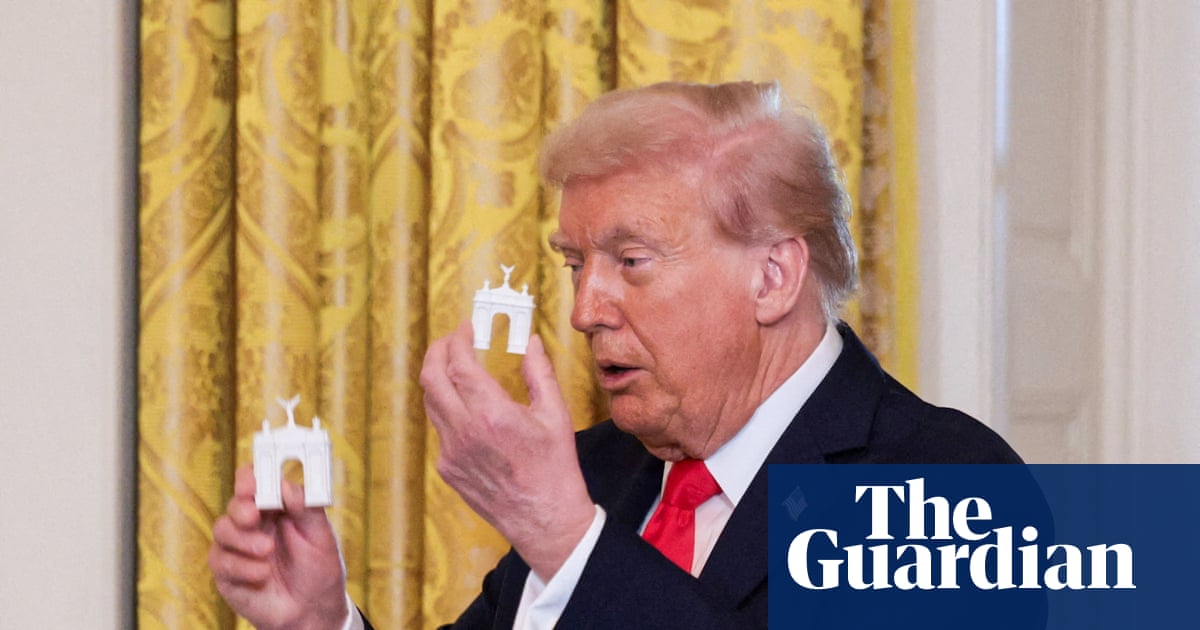
Trump’s proposed projects, including a Garden of Heroes, a large "Freedom" arch, a ballroom, and changes around the Washington Monument, are framed as more than construction plans. The piece presents them as part of a broader struggle over national identity, public memory, and the authority to decide which figures and stories are honored.
The article says critics see a pattern in Trump’s behavior: he is pushing ahead with major symbolic projects without broad public consultation, while also using threats and public pressure to force outcomes. It cites Paul Farber of Monuments Lab, who argues that monuments are tied to power as much as remembrance.
A wider historical fight
The piece places these disputes in a long American tradition. It recalls the destruction of a statue of George III in 1776, the debate over Confederate monuments after the Unite the Right rally in Charlottesville, and the wave of removals after the Black Lives Matter protests in 2020. It also notes that some older fights are reversing again, with certain monuments or honors being restored.
The article broadens the argument beyond Trump. It mentions disputes in New York over naming a bridge after Ed Koch and over whether public honors tied to Cesar Chavez should remain after revelations about abuse. The point is that monuments are never neutral: they reflect current politics as much as past events.
Why this moment matters
With the US heading toward its 250th birthday, the piece suggests that fights over statues, names and memorials are becoming a proxy battle over who gets to tell America’s story. Trump’s new and revived projects are presented as especially potent because they mix personal branding, executive power, and national symbolism.
Key points
- Trump’s monument plans are presented as part of a larger battle over American memory and power.
- The article says the projects are contentious partly because of limited public consultation.
- Historical fights over statues and names have returned, from Confederate monuments to Columbus and Cesar Chavez debates.
- The piece links monuments to executive power, symbolism, and political control.
- As the US approaches its 250th birthday, these disputes are becoming more visible and more charged.
If the projects lead to broader public debate, they could push Americans to think more carefully about which figures and events deserve public honor. That could result in monuments and names that reflect a wider range of history and communities.
If the plans are driven mostly from the top down, they could deepen distrust and make public memory feel like a political weapon. The article suggests that fights over monuments may keep escalating as more groups push competing versions of history.