ASEAN to call for open straits as US-Iran war casts shadow
Foreign ministers from fuel-stressed Southeast Asia will call for freedom of navigation in international straits when they wrap a week of meetings largely overshadowed by the US-Iran war, according to a draft communique seen by AFP.
Intelligence analysis by Llama
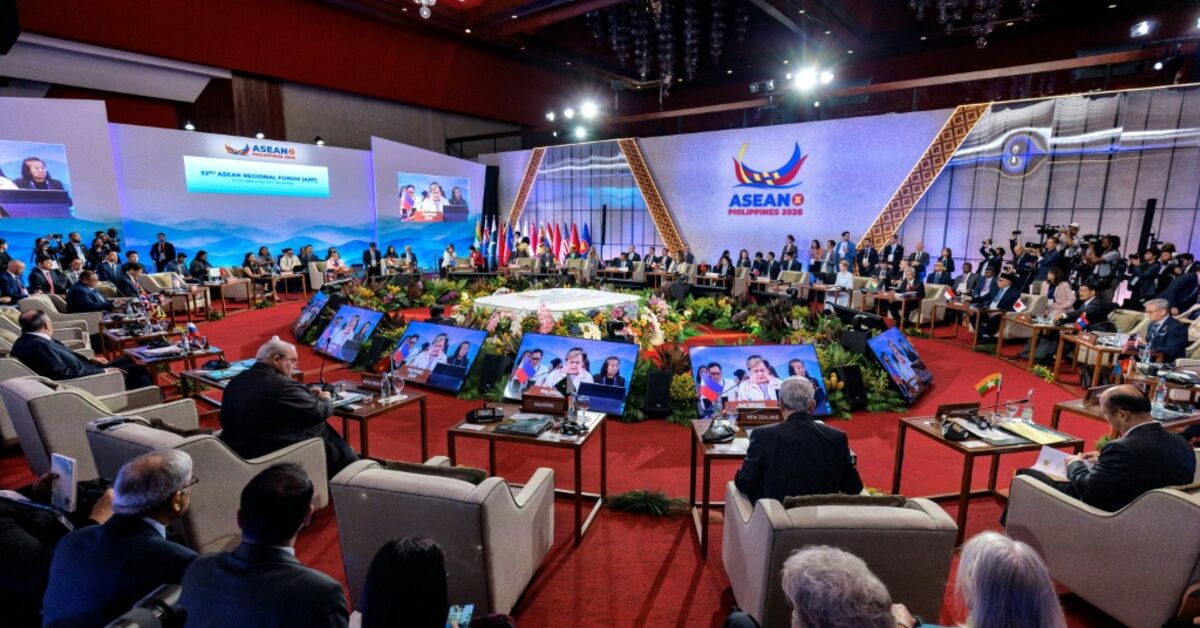
ASEAN foreign ministers will call for freedom of navigation in international straits and repeat calls for self-restraint in the US-Iran war, which has carried economic ripple effects throughout the region.
Imagine you're on a boat traveling through a busy shipping route. The US and Iran are fighting, and this is affecting the route. ASEAN, a group of countries in Southeast Asia, is calling for the route to be kept open so that boats can still travel safely.
Analysis
A Call for Freedom of Navigation in International Straits
The Association of Southeast Asian Nations (ASEAN) foreign ministers are set to call for freedom of navigation in international straits, a move that comes as the region grapples with the economic implications of the US-Iran war. The draft communique, seen by AFP, highlights the importance of maintaining freedom of navigation in and overflight above straits, while also calling for unimpeded passage through the Strait of Hormuz.
The Economic Ripple Effects of the US-Iran War
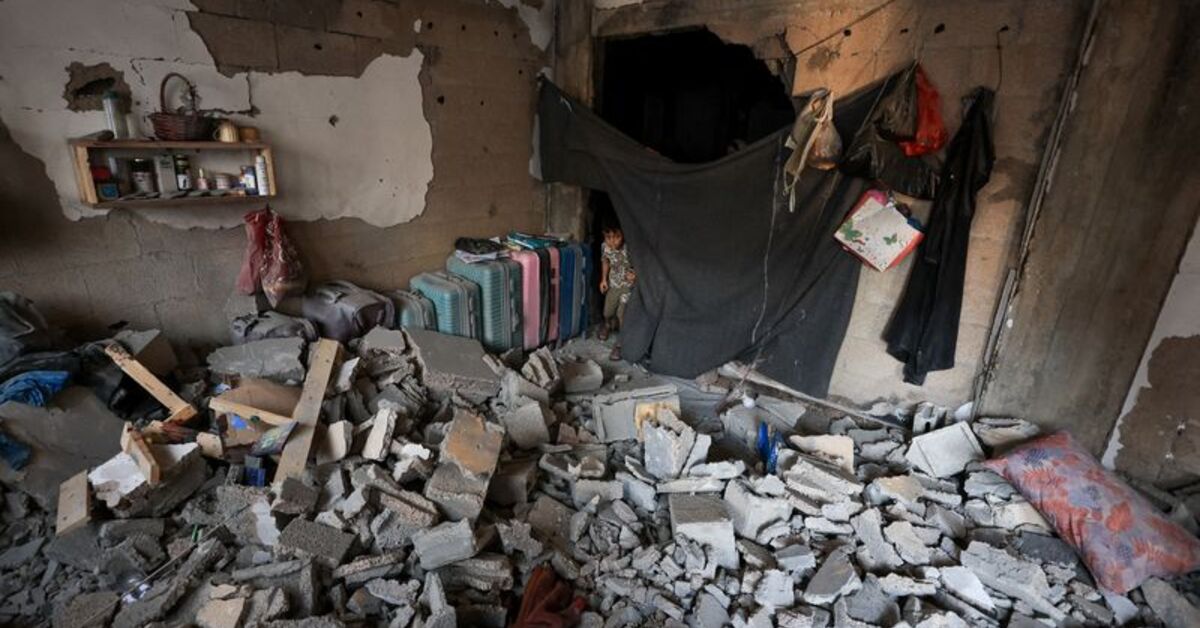
The US-Iran war has had far-reaching economic implications for Southeast Asia, particularly in terms of energy shortages and price spikes. The region is heavily reliant on imported energy, and the closure of the Strait of Hormuz following the joint US-Israeli strikes on Iran has left many scrambling to deal with energy shortages and price spikes. The Philippines, for example, has declared a national emergency due to the energy crisis.
ASEAN's Response to the US-Iran War
ASEAN's response to the US-Iran war has been marked by a call for self-restraint and a commitment to maintaining regional stability. The draft communique repeats ASEAN's long-standing calls for self-restraint in the Middle East conflict, while also emphasizing the importance of maintaining freedom of navigation in international straits. The move is seen as a crucial development in the region, particularly in light of the economic implications of the US-Iran war.
Key points
- ASEAN foreign ministers will call for freedom of navigation in international straits.
- The US-Iran war has significant economic implications for Southeast Asia, particularly in terms of energy shortages and price spikes.
- ASEAN's response to the US-Iran war has been marked by a call for self-restraint and a commitment to maintaining regional stability.
If the US and Iran can find a way to resolve their conflict peacefully, it could lead to a decrease in energy prices and a reduction in the economic impact of the war on Southeast Asia.
If the US-Iran war continues to escalate, it could lead to a complete closure of the Strait of Hormuz, resulting in severe energy shortages and price spikes throughout Southeast Asia.