Asian Games: Gold medal to be shared if cricket final is washed out
The 2026 Asian Games men's cricket final will see gold medals shared between finalists if the match is washed out, a change from the previous edition's ranking-based tie-breaker.
Intelligence analysis by Gemini 2.5 Flash
The Asian Games organising committee has confirmed that unlike the 2023 Hangzhou Games, there will be no reserve day for the men's cricket final in Nagoya. If rain prevents play, both teams will receive gold medals, and similarly, bronze medals will be shared if the third-place match is cancelled.
Imagine you're playing a big game of cricket, and it's the final match. If it rains so much that you can't finish the game, instead of one team winning, both teams get a gold medal, like sharing a prize if you can't finish a race. This is different from last time when the better team just won if it rained.
Analysis
2026 Asian Games Rule Change
The Asian Games organising committee has introduced a significant alteration to the rules governing the men's cricket tournament for the 2026 edition in Nagoya. Specifically, if the final match is washed out due to adverse weather conditions, both competing teams will be awarded gold medals. This marks a departure from previous tournaments where a higher-ranked team would be declared the sole winner in such scenarios.
The new regulation also extends to the bronze medal match, ensuring that if that game is cancelled, both teams vying for third place will receive bronze medals. This approach aims to acknowledge the efforts of both finalists or bronze medal contenders, even when external factors prevent a decisive outcome on the field. The absence of reserve days for these crucial medal matches underscores the importance of this new sharing protocol.
Hangzhou Asian Games Precedent
The decision to share medals in the event of a washout directly contrasts with the precedent set at the 2023 Hangzhou Asian Games. In that tournament, India's men's cricket team secured the gold medal after their final against Afghanistan was abandoned due to rain. Under the rules then in place, India was declared the winner by virtue of being the higher-ranked team in the ICC T20I standings.
This previous system meant that a team's pre-tournament ranking could be a decisive factor in medal allocation, even without a ball being bowled in the final. The shift to shared medals in 2026 eliminates this ranking-based tie-breaker for the ultimate prize, ensuring that both finalists receive equal recognition regardless of their standing if the match cannot proceed.
Indian Cricket Team's Situation
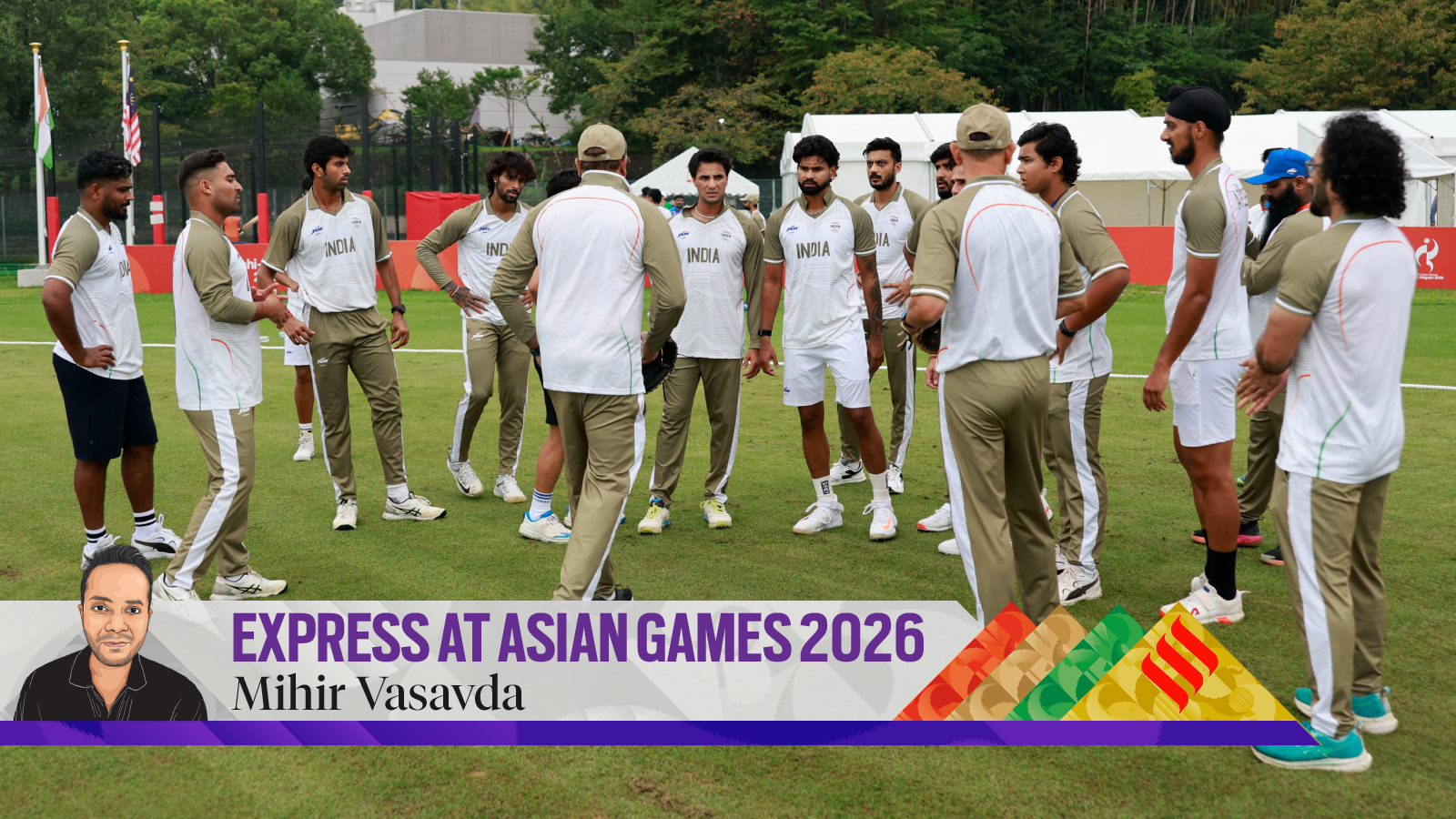
India, as the defending champions, is sending a full-strength squad to the 2026 Asian Games, featuring prominent players like Shreyas Iyer and Jasprit Bumrah. However, the team has already faced significant disruptions due to rain in Nagoya, with their quarterfinal match against Afghanistan being washed out. India advanced to the semifinals based on their higher ICC T20I ranking, a rule that still applies to earlier knockout stages.
The forecast for the medal matches offers some encouragement, with no rainfall indicated through Saturday. India is scheduled to play Sri Lanka in the semifinals, with the final set for October 3. The women's team has already secured a gold medal by defeating Sri Lanka, setting a high bar for their male counterparts amidst these new tournament regulations.
Key points
- The 2026 Asian Games men's cricket final will result in shared gold medals if washed out.
- This rule is a change from the 2023 Hangzhou Games, where higher-ranked teams won by default.
- No reserve days are scheduled for either the gold or bronze medal matches.
- India, the defending champions, advanced to the semifinals after their quarterfinal was washed out, based on ranking.
- The Indian men's team includes players like Shreyas Iyer and Jasprit Bumrah.
The new rule guarantees that if India reaches the final and it rains, they will still secure a gold medal, reducing the risk of leaving the tournament empty-handed due to weather. This ensures recognition for their performance in reaching the final, regardless of playability.
Despite fielding a strong team, India might not achieve an outright victory in the final if rain intervenes, potentially diluting the prestige of a shared gold medal. The persistent rain could also continue to disrupt matches, limiting their actual playing time in the tournament.