Astronauts return to ISS after sheltering during air leak repair attempt
Astronauts moved into a SpaceX capsule after a worsening air leak on the ISS, then returned when repair work was paused.
Intelligence analysis by GPT-5.4 Mini
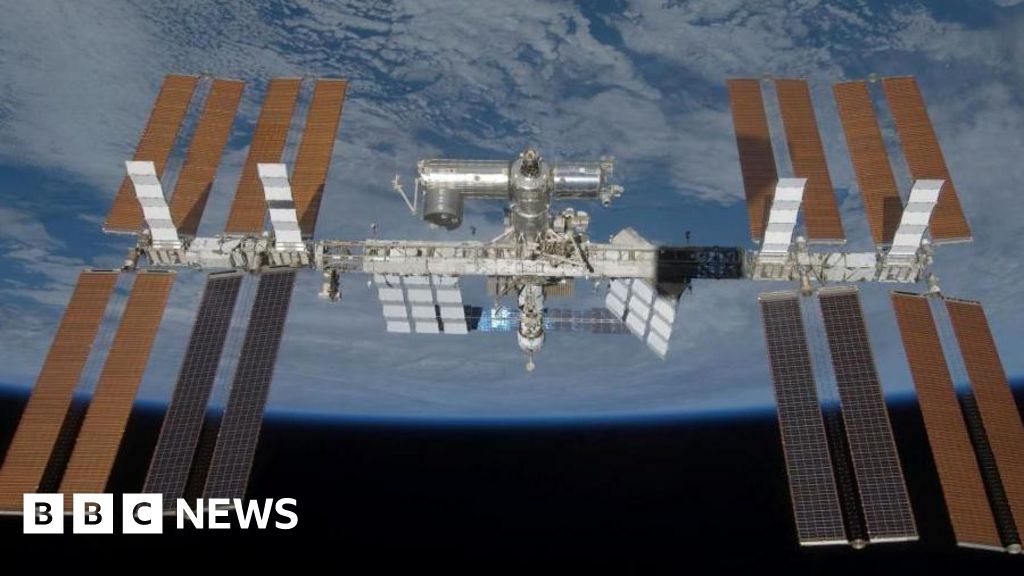
NASA ordered five crew members to shelter in the docked Dragon spacecraft after air leak concerns grew in the station’s Russian segment. The crew later returned to normal operations when Roscosmos paused the repair attempt and NASA ended the safe-haven order.
The space station had a leak, so some astronauts hid in a rescue spaceship like people moving into a lifeboat when a boat has a problem. When the repair effort stopped, they went back to their normal work on the station.
Analysis
What happened
NASA ordered astronauts on the International Space Station to take shelter in the docked SpaceX Dragon capsule after a leak in a Russian section of the station appeared to worsen. Five of the seven crew members, including astronauts Jessica Meir, Jack Hathaway, Sophie Adenot and Andrey Fedyaev, plus Chris Williams, moved into Dragon Freedom and put on spacesuits in case they had to evacuate quickly.
Where the leak was
The problem was in the transfer tunnel, known as PrK, leading to the Zvezda service module in the Russian segment. The station’s Russian cosmonauts, commander Sergey Kud-Sverchkov and flight engineer Sergei Mikaev, were trying to repair the area when the leak increased on Monday. Their own escape route was the separately docked Soyuz MS-28 spacecraft.
Why NASA intervened
According to Reuters, NASA objected to the method being used for the repair. The report says the cosmonauts were using a saw in an attempt to reach the crack, and Houston then ordered the other crew members into safe-haven procedures on Dragon. Later, once Roscosmos told its crew to pause the repair work, NASA said the astronauts could return to planned operations.
The broader context
The article says the cracks behind the leak have come and gone for around six years. After a Russian cargo ship arrived last month, Roscosmos noticed a fresh slow pressure drop, which led to a more extensive repair attempt instead of another patch. Roscosmos told Tass that nothing had threatened the crew or onboard systems, but the episode shows how small structural problems can quickly become operationally serious on a station that has run continuously since 1998.
Key points
- NASA ordered five astronauts into the docked Dragon capsule after the leak worsened.
- Two Russian cosmonauts stayed behind to try to repair the leaking area in the Russian segment.
- The leak was in the transfer tunnel, or PrK, leading to the Zvezda service module.
- NASA ended the shelter order after Roscosmos paused the repair effort.
- Roscosmos said the situation had not threatened the crew or onboard systems.
If the repair approach works, the station could get a more durable fix instead of repeated patchwork repairs. That would reduce pressure-drop scares and make day-to-day life aboard the ISS more stable for the crew.
The leak has reportedly returned on and off for about six years, so the problem may keep coming back even after temporary repairs. If the pressure drop worsens again, the station could face more emergency sheltering, coordination problems, and renewed concerns about crew safety.