At SIGGRAPH, NVIDIA Advances Graphics and Simulation With Agentic and Physical AI
At this year's SIGGRAPH conference, NVIDIA is showcasing advancements in graphics and simulation with agentic and physical AI. The company is highlighting its Model Context Protocol (MCP) connections, which bring AI agents to content creation, and its Synthetic Video Dete…
Intelligence analysis by Llama
NVIDIA is pushing the boundaries of graphics and simulation with its agentic and physical AI advancements. The company is showcasing its Model Context Protocol (MCP) connections, which bring AI agents to content creation, and its Synthetic Video Detector NIM microservice, Cosmos 3 Edge open world model, and NVIDIA NemoClaw on DGX Station with NVIDIA Agent Toolkit. These advancements h…
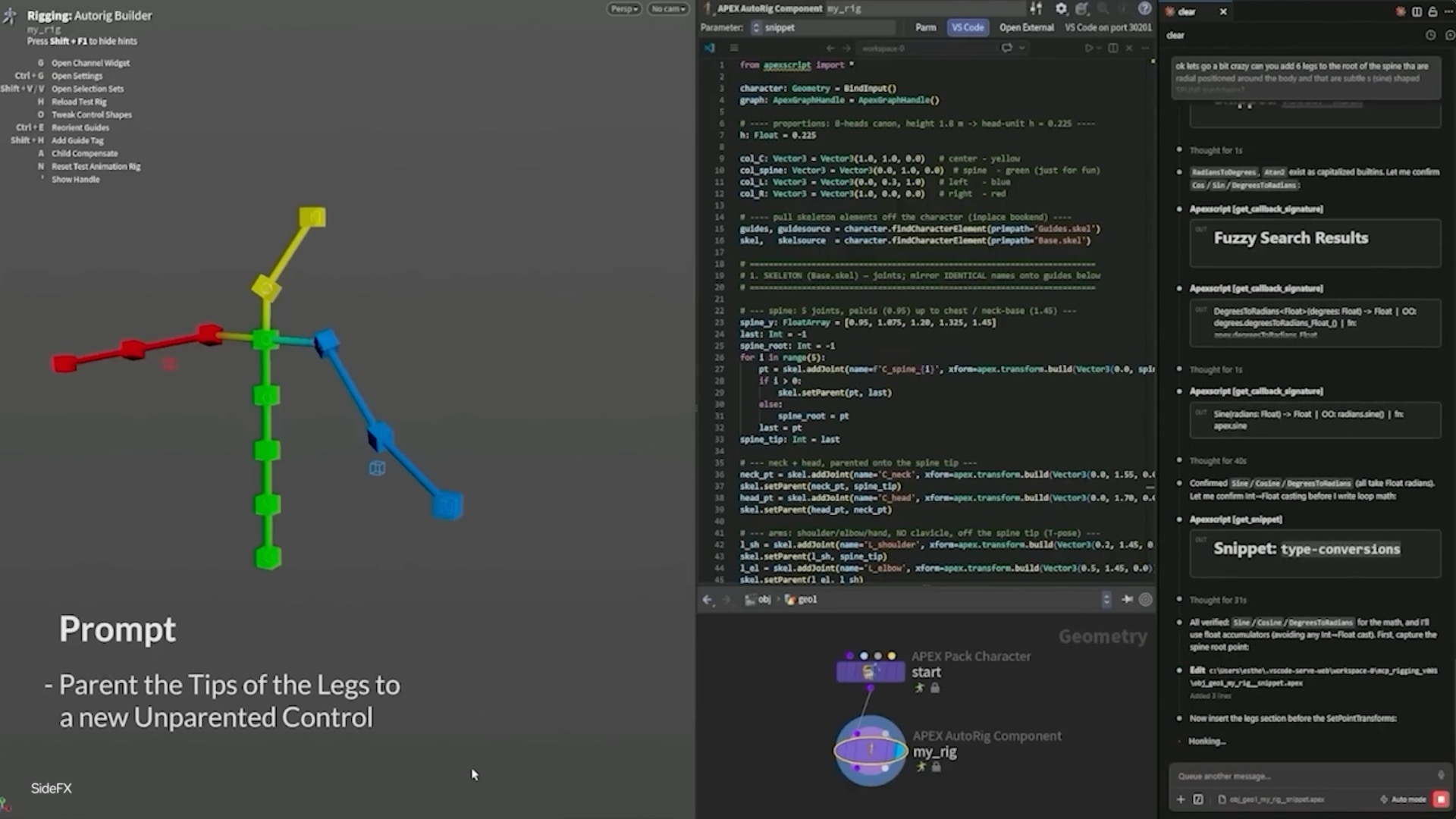
Imagine you're an artist working on a big project. You have to do a lot of repetitive tasks, like renaming layers and artboards, or resizing and reformatting assets for multiple channels. NVIDIA's new technology, called Model Context Protocol (MCP), lets you ask an AI assistant to do these tasks for you, so you can focus on the creative parts of the project. This is like having a super-smart assistant that can help you with all the boring tasks, so you can be more creative and make your project even better.
Analysis
A New Era of Accelerated Creativity
At this year's SIGGRAPH conference, NVIDIA is showcasing its latest advancements in graphics and simulation with agentic and physical AI. The company is highlighting its Model Context Protocol (MCP) connections, which bring AI agents to content creation, and its Synthetic Video Detector NIM microservice, Cosmos 3 Edge open world model, and NVIDIA NemoClaw on DGX Station with NVIDIA Agent Toolkit.
MCP is a new protocol that allows AI agents to work inside creative applications, giving artists and developers more control over the creative process. This is a significant advancement in the field of AI and could lead to new opportunities for artists, developers, and studios.
NVIDIA's advancements in agentic and physical AI have the potential to transform the way worlds are created and understood by people and machines. The company's Synthetic Video Detector NIM microservice, Cosmos 3 Edge open world model, and NVIDIA NemoClaw on DGX Station with NVIDIA Agent Toolkit are all examples of this technology in action.
Why Cursor?
One of the key questions surrounding NVIDIA's advancements in agentic and physical AI is why the company is pursuing this technology. The answer lies in the potential for accelerated creativity and the ability to create more realistic and immersive virtual worlds.
The Road Ahead
NVIDIA's advancements in agentic and physical AI are just the beginning. The company is committed to continuing to push the boundaries of what is possible with this technology and is already working on new projects and applications. As the field of AI continues to evolve, it will be exciting to see how NVIDIA's advancements shape the future of graphics and simulation.
Key points
- NVIDIA is showcasing its advancements in graphics and simulation with agentic and physical AI at this year's SIGGRAPH conference.
- The company is highlighting its Model Context Protocol (MCP) connections, which bring AI agents to content creation.
- NVIDIA's advancements in agentic and physical AI have the potential to transform the way worlds are created and understood by people and machines.
- The company's Synthetic Video Detector NIM microservice, Cosmos 3 Edge open world model, and NVIDIA NemoClaw on DGX Station with NVIDIA Agent Toolkit are all examples of this technology in action.
If NVIDIA's advancements in agentic and physical AI continue to progress, we could see a significant increase in the quality and realism of virtual worlds. This could lead to new opportunities for artists, developers, and studios, and could also have a significant impact on the way we interact with virtual worlds.
One potential downside of NVIDIA's advancements in agentic and physical AI is the risk of job displacement for artists and developers. If AI assistants can perform many of the tasks currently done by humans, it could lead to a significant reduction in the number of jobs available in the industry.