Australia Urged to Lead Indo-Pacific Cable Shield as Hybrid War Risks Rise
Australia is urged to position itself as an Indo-Pacific preferred cable hub to address economic and national security risks from threats to submarine cables. The country's geography, political stability, and trusted network partner status could attract cable investments.
Intelligence analysis by Llama
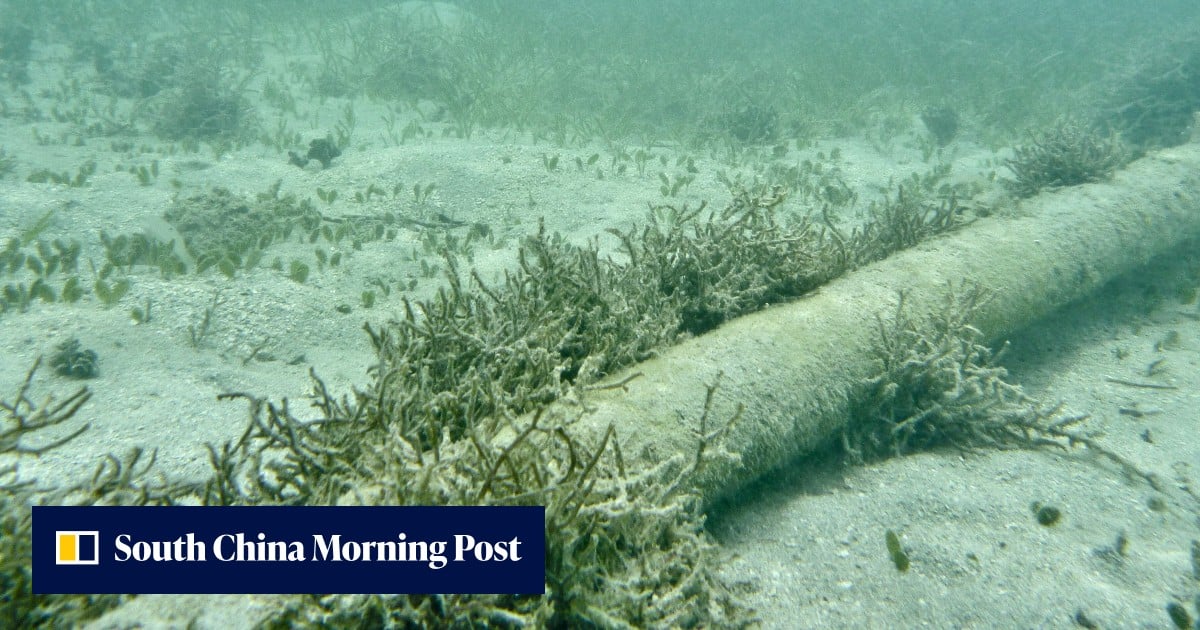
A new report suggests Australia should treat cable resilience as a shared regional project, leveraging its geography and stability to attract investments and reduce risks from hybrid war threats.
Imagine the internet cables that connect Australia to the rest of the world as a big, underwater highway. These cables are important for our economy and security, but they're also vulnerable to threats like sabotage and cyber attacks. Australia can help keep these cables safe by becoming a hub for internet connectivity in the region, which will make it harder for bad actors to disrupt our connections.
Analysis
Australia's Strategic Advantage in the Indo-Pacific Cable Network
Australia's geography, political stability, and status as a trusted network partner make it an attractive location for cable investments. The country's undersea infrastructure is well-positioned to capitalize on the growing demand for high-speed internet connectivity in the Indo-Pacific region. By positioning itself as an Indo-Pacific preferred cable hub, Australia can reduce its reliance on geopolitically sensitive chokepoints and enhance its economic and national security.
Hybrid War Risks and the Indo-Pacific Cable Network
The Indo-Pacific cable network is vulnerable to hybrid war threats, including sabotage and cyber attacks. These risks are exacerbated by the increasing investment in the region's undersea infrastructure by hyperscaler technology firms such as Google and Meta Platforms. A shared regional approach to addressing these risks is essential to maintaining the stability and security of the Indo-Pacific cable network.
The Role of Australia in the Indo-Pacific Cable Network
Australia's role in the Indo-Pacific cable network is critical to addressing the economic and national security risks associated with hybrid war threats. By leveraging its geography and stability, Australia can attract cable investments and reduce its reliance on geopolitically sensitive chokepoints. This approach will not only enhance Australia's economic and national security but also contribute to the stability and security of the Indo-Pacific region.
Key points
- Australia is urged to position itself as an Indo-Pacific preferred cable hub to address economic and national security risks from threats to submarine cables.
- The country's geography, political stability, and trusted network partner status make it an attractive location for cable investments.
- A shared regional approach to addressing hybrid war risks is essential to maintaining the stability and security of the Indo-Pacific cable network.
If Australia successfully positions itself as an Indo-Pacific preferred cable hub, it could attract significant investments in its undersea infrastructure, reducing its reliance on geopolitically sensitive chokepoints and enhancing its economic and national security.
If Australia fails to address the hybrid war risks associated with the Indo-Pacific cable network, it could face significant economic and national security consequences, including damage to its undersea infrastructure and disruption to its internet connectivity.