Australians are spending less to consume more nicotine as illegal tobacco trade explodes
Illegal tobacco and vaping are driving a 40% rise in nicotine use since 2017, while household cigarette spending has fallen back to 2016 levels.
Intelligence analysis by GPT-5.4 Mini
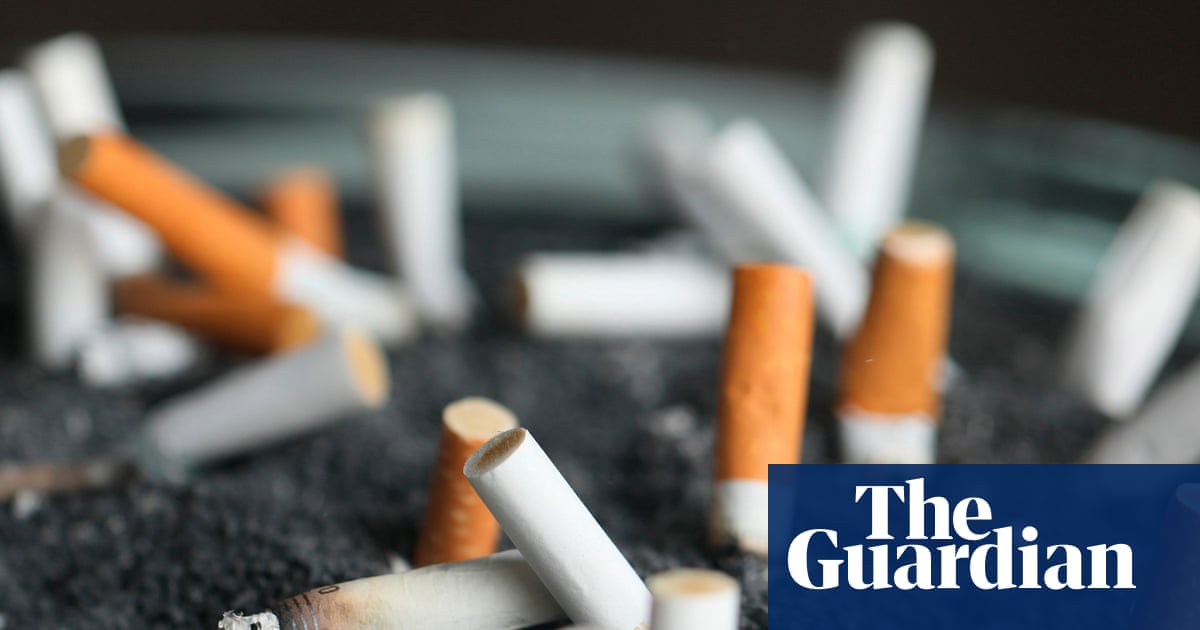
New ABS estimates show Australians are consuming more nicotine overall even as they spend less, because illegal tobacco, e-cigarettes and other products have taken a much larger share of the market. The illicit share of tobacco rose from 12% in 2017 to 80% in 2025.
Australia is seeing more nicotine use, but people are paying less because many are buying cheaper illegal cigarettes instead of legal ones. It is like more people are getting the same snack, but from a black market stall instead of a store.
Analysis
What the data shows
The Australian Bureau of Statistics says nicotine consumption in Australia rose 40% between 2017 and 2025, even though population growth was only 14% over the same period. The agency says the increase was driven by illegal tobacco, plus growth in e-cigarettes and other nicotine products.
The headline shift is in where tobacco is coming from. In 2017, illicit sources accounted for 12% of total tobacco consumed. By 2025, the ABS estimates that figure had climbed to 80%. That means most cigarettes smoked last year were cheaper illegal products rather than legal, taxed ones.
Why spending fell
The ABS found that household spending on cigarettes dropped back to around 2016 levels because more people are buying cheaper illegal products. It said the price of legal cigarettes has tripled since 2016, while the price of illegal tobacco has stayed relatively constant.
The release is notable because it is the first time the ABS has estimated illegal tobacco consumption. It said the work was experimental and based partly on nicotine metabolite concentrations detected in wastewater, so the method and data sources could change.
Policy fight
The numbers land in the middle of a debate over what to do next. NSW health minister Ryan Park called the data unsurprising and blamed the growing gap between legal and illicit tobacco prices, which he linked to the federal excise. He said the cost-of-living squeeze could make excise-free products more attractive and that states are having to spend more on licensing, enforcement and healthcare consequences.
The story also points to pressure on public finances. The article says revenue from taxes on legal tobacco fell to a 14-year low last year, leaving a $6.9bn hole in the federal budget as the illegal market grew.
Some experts argue the excise should be lowered to reduce criminal incentives, while others want taxes kept high alongside stronger enforcement. NSW Premier Chris Minns has urged an overhaul of the tobacco excise, saying it is no longer working as tax or health policy. States are already tightening penalties, including new offences for landlords and steeper fines and jail terms for illicit tobacco sales.
Key points
- ABS estimates nicotine consumption rose 40% between 2017 and 2025, despite slower population growth.
- Illicit sources rose from 12% of total tobacco consumed in 2017 to 80% in 2025.
- Household cigarette spending fell to about 2016 levels because illegal tobacco stayed relatively cheap while legal cigarette prices tripled.
- The shift has helped drive tobacco tax revenue to a 14-year low and left a $6.9bn budget hole.
- NSW and Victoria are tightening penalties and enforcement as policymakers debate excise reform.
If enforcement and policy changes reduce the illegal market, more tobacco sales could shift back into the legal system. That would help restore government tax revenue and give health authorities more control over what is being sold.
If the price gap stays wide, illegal tobacco may keep expanding because cheaper products are still attractive during a cost-of-living squeeze. That could deepen criminal activity, weaken public health gains and keep draining tax revenue from the federal budget.