Australia's largest aluminium smelter to run on renewables by 2033 after Rio Tinto strikes $2.5bn taxpayer bailout deal
Rio Tinto and governments agreed a $2.5bn package to keep Tomago open and move it to renewable power by 2033.
Intelligence analysis by GPT-5.4 Mini
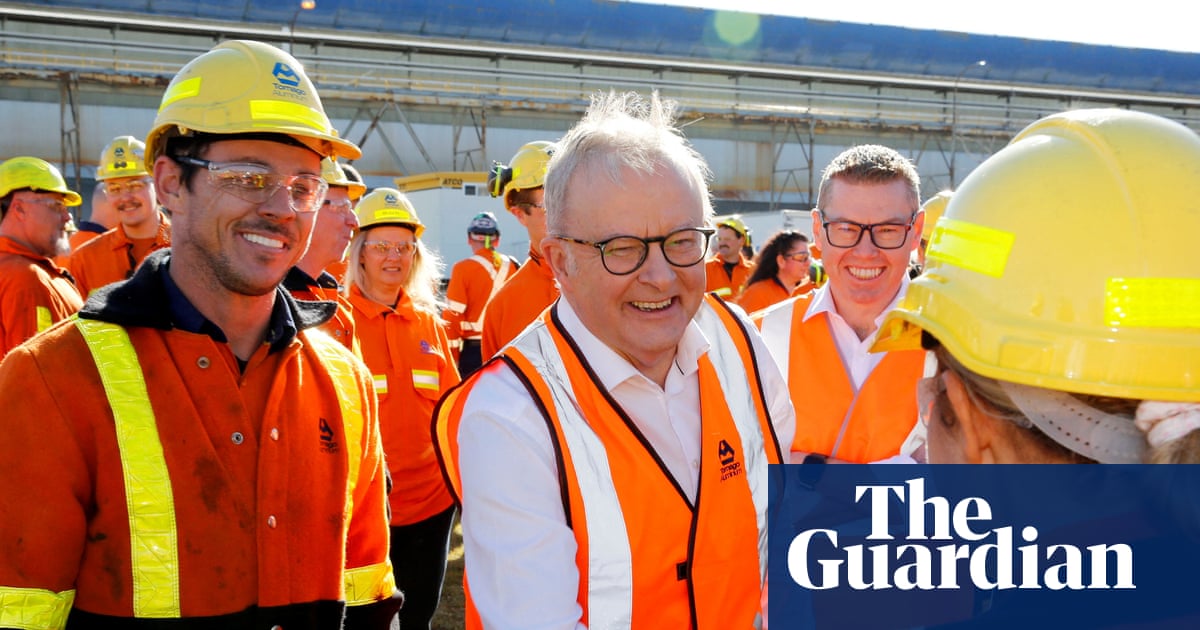
The deal ties public support to a long shift away from coal-heavy electricity. It keeps a major industrial employer operating while backing new wind, solar and storage projects in New South Wales.
Tomago is like a giant factory oven that needs a mountain of electricity to keep working. The deal is a big handoff from dirty power to cleaner wind and solar, so the oven can stay hot without shutting down.
Analysis
Tomago
Tomago sits at the center of a familiar industrial dilemma: it is valuable because it is huge, but its size makes it fragile when power gets expensive. The article says the smelter is Australia's largest single electricity user, taking more than 10% of total generation in New South Wales, which explains why its power contract matters so much.
The deal gives Tomago a route to stay open rather than forcing a sudden shutdown. That matters not just for the plant itself, but for the local supply chain and the broader political promise that big manufacturing jobs will not simply disappear from the Hunter region.
2.5bn
The $2.5bn figure is the clearest sign that industrial decarbonisation is not a tidy transition. The governments are not just helping Rio Tinto buy time; they are paying for a power structure that can carry the smelter past its existing coal-focused contract and into a cleaner one.
Rio Tinto says the agreement gives the plant a path to long-term, cost-competitive, low-carbon power. That language matters because it links climate policy to business continuity, suggesting the pitch is not only about emissions but also about locking in a workable cost base for a very electricity-intensive industry.
Hunter
The political language around the Hunter is blunt because the stakes are local as well as national. Chris Minns framed the deal as necessary to avoid deindustrialisation, while Anthony Albanese's government is using it as another example of intervention to keep major plants running.
But the article also shows how contested that intervention is. Critics argue the cost reflects policy failure, while supporters say Australia is finally confronting a problem that was visible for years: old contracts would end, coal power would age out, and replacement renewable capacity had to be built somehow.
The longer-term question is whether the deal becomes a bridge or a bill. If the promised wind, solar and firming projects arrive on schedule, the smelter could become a template for cleaner heavy industry. If they lag, the public will have paid dearly for only a temporary fix.
Key points
- Rio Tinto and governments struck a $2.5bn deal to keep Tomago operating.
- The smelter is due to run entirely on renewable energy by 2033.
- The agreement is meant to support nearly 3,000 megawatts of new renewable and firming capacity.
- Tomago is Australia's largest single electricity user and directly employs about 1,000 people.
If the plan works, Tomago stays open, jobs are protected, and new renewable projects get built across New South Wales. Rio Tinto says the smelter could cut emissions sharply while keeping power costs more stable. That would make the plant a model for how heavy industry can keep running while using cleaner energy.
The agreement is expensive for taxpayers, and it still depends on enough wind, solar and storage projects being delivered on time. If those projects slip, the smelter's power problem could return in a different form. There is also a risk that the deal becomes a one-off rescue rather than a lasting fix for Australia's energy-intensive industry.