Aviation leaders face Iran war fuel shock, rising fare prices at Rio summit
Airline leaders meeting in Rio face higher fuel costs, airspace disruptions and delayed aircraft deliveries. Carriers are responding with fare increases and tighter capacity.
Intelligence analysis by GPT-5.4 Mini
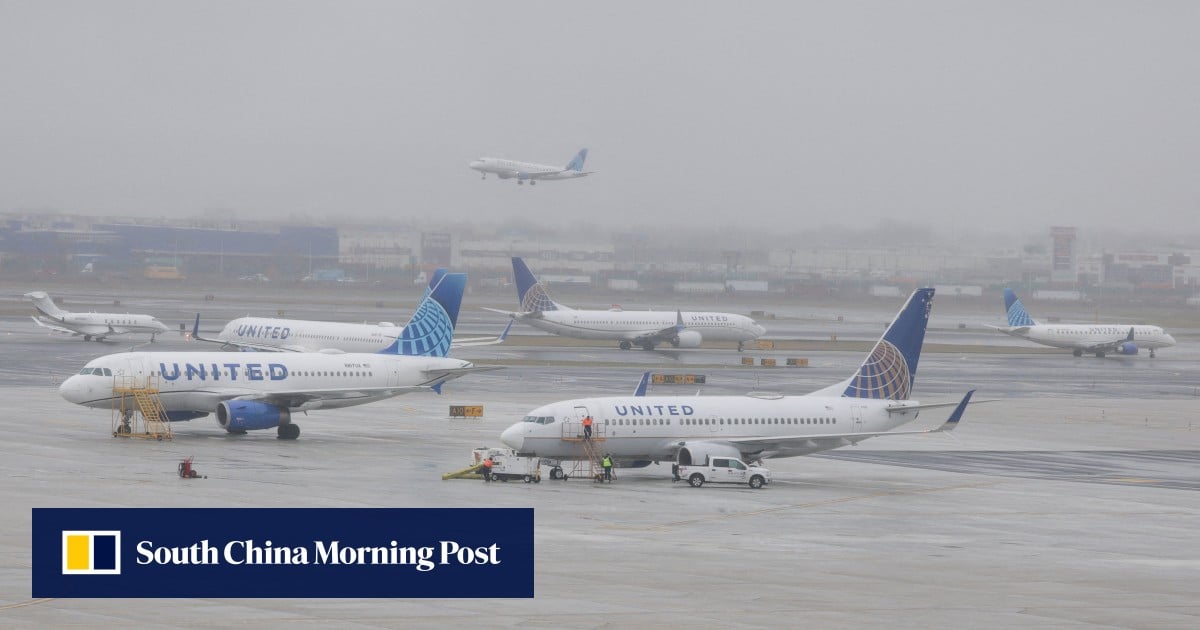
Global airline executives are gathering in Rio de Janeiro with the industry’s recovery under strain. The Iran war has lifted fuel costs and disrupted routes, while Boeing and Airbus delays are forcing airlines to keep older jets flying longer.
Airlines are like buses in the sky, and their fuel is getting more expensive while new planes are arriving late. That means tickets may cost more, and the companies must work harder just to keep money in their pockets.
Analysis
What the summit is facing
Global airline chiefs are opening the International Air Transport Association’s annual meeting in Rio de Janeiro with a less comfortable backdrop than they expected. According to the report, the Iran war has pushed up fuel prices and disrupted airspace, while airlines are also dealing with a shortage of new aircraft.
Two pressures at once
The article says Boeing and Airbus delivery delays have forced many carriers to keep older, less fuel-efficient planes in service for longer. That raises maintenance and fuel bills at the same time that oil prices have climbed. Airlines are trying to offset the strain by charging higher fares and keeping capacity tight.
Profit outlook is likely to worsen
IATA, which represents more than 370 airlines and about 85% of global air traffic, had previously forecast a record US$41 billion in net profit for the year. The piece says industry executives and analysts now expect that outlook to be lowered at the meeting.
What CEOs are prioritizing
A Deloitte survey of 21 global airline CEOs, published this week, found that fuel price volatility and inflation are now the top risks on the industry agenda. The survey said the combination has turned what was meant to be a record year into a struggle to protect margins. In practical terms, the meeting is likely to focus less on expansion and more on cost control, resilience and financial health.
Key points
- The Iran war is raising fuel costs and disrupting airspace for airlines.
- Boeing and Airbus delivery delays are forcing carriers to keep older jets in service.
- Airlines are responding with higher fares and tighter capacity.
- IATA had forecast a record US$41 billion profit, but that outlook may be cut.
- A Deloitte survey says fuel volatility and inflation are now the industry’s top risks.
If fuel prices stabilize and aircraft deliveries improve, airlines could recover some of the margin pressure described in the article. Tighter cost control and higher fares may help carriers protect profits while they wait for newer planes to arrive.
If the war keeps pushing up fuel costs and airspace stays disrupted, airlines may have to cut profits further and pass more of the burden to travelers. Continued Boeing and Airbus delays would also keep older jets flying longer, adding maintenance and fuel costs.