Ayatollah Fayyaz Dies; Iraq Declares Three Days of National Mourning and Pezeshkian Offers Condolences
Ayatollah Mohammad Ishaq Fayyaz, one of the major Shiite clerics in Najaf, has died in Iraq at 96. Iraq declared three days of mourning, and Iran's president sent condolences.
Intelligence analysis by GPT-5.4 Mini
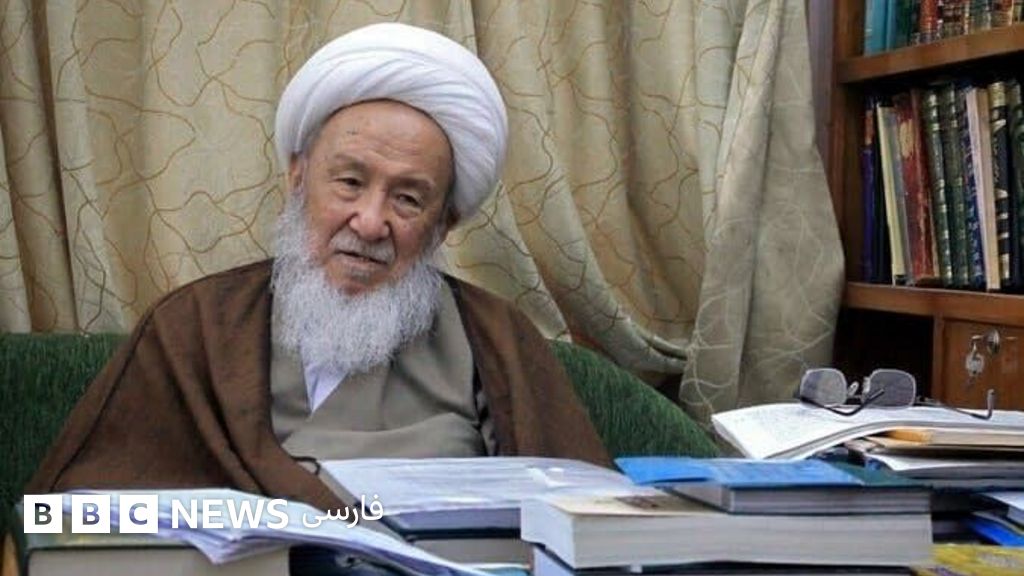
The death of Ayatollah Mohammad Ishaq Fayyaz removes one of Najaf's leading Shiite authorities and prompts official mourning in Iraq. The article emphasizes his religious standing, his influence among followers in Iraq and Afghanistan, and the condolence messages from Iraqi and Iranian leaders.
A very important religious teacher in Iraq has died. He was like one of the top guides in a big school for Shiite Muslims, so leaders in Iraq and Iran sent messages of respect and sadness.
Analysis
Ayatollah Mohammad Ishaq Fayyaz, an Afghan-born Shiite المرجع who had lived and worked in Iraq, died at the age of 96. According to the report, his office announced the death, noting that he was born in 1930 and had a large following not only among Afghans but also in Iraq and Afghanistan.
The article places him in the small circle of major Najaf authorities. After the death of Ayatollah Mohammad Saeed Hakim last September, Fayyaz was described as one of the three principal Shiite maraji in Najaf alongside Ayatollah Ali Sistani and Ayatollah Bashir Najafi.
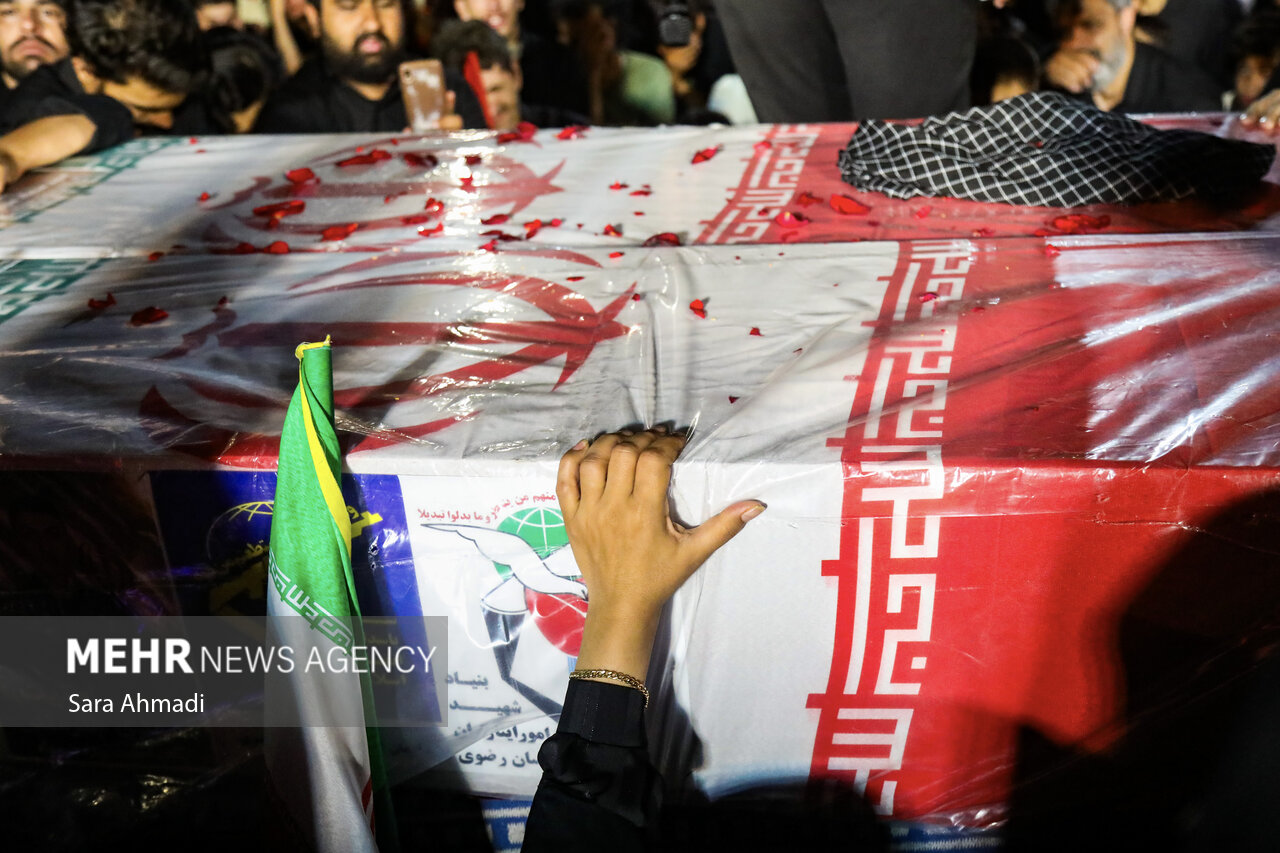
Iraq's prime minister, Ali Falah Kazim Zaydi, offered condolences and declared three days of national mourning. In his message, he called the death a painful loss in the fields of research, jurisprudence, and Islamic studies. He also praised Fayyaz for leaving a clear mark in thought and teaching, and for helping raise the standing of Najaf's seminary. The prime minister added that Fayyaz should be remembered for efforts to bring different Muslim views closer together and for supporting just causes in the Arab and Islamic worlds.
Iranian President Masoud Pezeshkian also sent condolences. In his message, he said Fayyaz spent his life promoting the teachings of the Ahl al-Bayt, training students, teaching, researching at the highest levels of Islamic studies, and serving the Muslim community. He described Fayyaz's scholarly and moderate character, sincerity, piety, and focus on Islamic unity as a lasting asset for the Muslim world.
The article says Fayyaz had been hospitalized a few days earlier because of illness, and his office described his death as a major loss for seminaries and believers.
Key points
- Ayatollah Mohammad Ishaq Fayyaz died in Iraq at the age of 96.
- Iraq's prime minister declared three days of national mourning.
- Iranian President Masoud Pezeshkian offered condolences in a public message.
- The article says Fayyaz was one of the three major Shiite maraji in Najaf.
- He had been hospitalized a few days earlier because of illness.
If the mourning and tributes strengthen the sense of shared religious respect, the article suggests Fayyaz's emphasis on unity could remain a reference point for Shiite institutions. His legacy may also continue through the students he trained and the seminary work he helped support in Najaf.
His death leaves a gap in Najaf's senior religious leadership, which can be sensitive for followers looking for clear authority. The loss may also sharpen succession questions and reduce one of the figures described as helping to bridge different Muslim views.