Bags in vehicle of man fatally shot by ICE did not contain drugs, Texas DA says
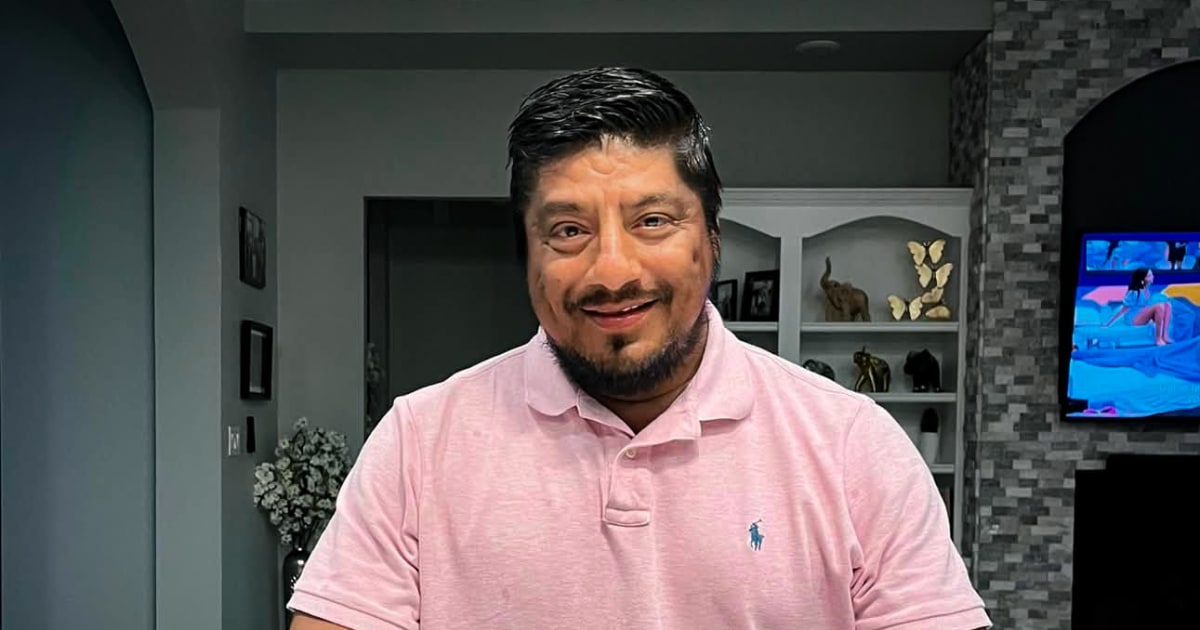
The Harris County District Attorney's office confirmed that substances found in the vehicle of Lorenzo Salgado Araujo, who was fatally shot by an ICE officer, tested negative for illegal narcotics.
Intelligence analysis by Gemini 2.5 Flash
A key element of the government's narrative surrounding the fatal shooting of Lorenzo Salgado Araujo by an ICE officer has been debunked. Initial claims by the FBI suggested drugs were found in his vehicle, justifying a search warrant, but the DA's office now states the substance was not illicit, raising serious questions about the official account and the circumstances of the shooting.
A man was stopped by immigration officers and sadly, he was shot and died. The officers said they saw bags of what looked like drugs in his car, which made people think he might have been involved with bad stuff. But now, the local police chief says they tested what was in the bags, and it wasn't drugs at all! This makes many people wonder if the officers were telling the whole story and why the man was really shot.
Analysis
The Unraveling Narrative of the Shooting
Lorenzo Salgado Araujo, a 51-year-old father of three, was fatally shot by an ICE law enforcement officer during a July 7 traffic stop in Houston. The government initially alleged that Salgado Araujo weaponized his vehicle, a claim disputed by other occupants of the van. Following the shooting, an FBI agent reported seeing small bags consistent with drug packaging containing a substance resembling methamphetamine in plain view, which led to a search warrant for the vehicle. This initial assertion played a significant role in shaping the early public understanding of the incident and the justification for the subsequent investigation.
However, this narrative has now been directly challenged by the Harris County District Attorney's office. On Friday, the DA announced that the seized substance "tested negative for narcotics/ illicit drugs." This finding directly contradicts the FBI's initial claim and undermines a crucial piece of the government's implied justification for the search and potentially the shooting itself. The DA's office stated it notified Salgado Araujo's family, emphasizing their right to know this critical information, while declining further comment due to the pending investigation.
Implications of the Negative Drug Test
The revelation that the substance was not an illegal narcotic has profound implications for the ongoing investigation and public perception. David Donatti of the ACLU of Texas stated that the government appears "more interested in creating a false narrative than in seeking the truth," demanding real answers for the Salgado family. Ruby L. Powers, a lawyer representing Salgado Araujo's brother, suggested the substance was likely granulated salt used as a homemade electrolyte mix, criticizing the damage done by allowing an unproven claim to circulate. This development shifts focus squarely back to the circumstances of the shooting and away from any alleged drug involvement, which was never cited as a reason for the initial traffic stop.
The DA's finding also casts a shadow on the process surrounding the search warrant. Harris County District Attorney Sean Teare noted during a Congressional Hispanic Caucus hearing that unsealing the FBI's search warrant request before a grand jury could review evidence was unprecedented in his 20-year career. This unusual procedural step, combined with the now-debunked drug claim, fuels suspicions among civil rights advocates and family members that the government's actions have been less than transparent and potentially aimed at justifying the officer's use of deadly force.
Calls for Transparency and Accountability
The Congressional Hispanic Caucus held a hearing on the shooting, where members, including Rep. Bennie Thompson, ranking member on the U.S. House Committee on Homeland Security, addressed the search warrant application. During the hearing, Salgado Araujo's son, Lorenzo Salgado Jr., testified, criticizing ICE and DHS for their shifting statements, including admitting his father was not the intended target and disputing the claim that he weaponized his vehicle. The three men in the van with Salgado Araujo have also directly disputed the government's account of him attempting to harm law enforcement.
A significant point of contention remains the lack of body camera footage from ICE personnel at the scene, as confirmed by DHS. Any potential security or cellphone video has also not been released. This absence of objective visual evidence, coupled with the conflicting narratives and the DA's recent finding, intensifies calls for a thorough, independent, and transparent investigation into the fatal shooting. The family and their legal representatives continue to demand full accountability and a clear explanation of what transpired on July 7, emphasizing that the negative drug test does not answer for why Lorenzo Salgado Araujo was shot.
Key points
- The Harris County District Attorney's office confirmed that substances found in Lorenzo Salgado Araujo's vehicle tested negative for illegal drugs.
- Salgado Araujo was fatally shot by an ICE officer during a July 7 traffic stop, with the government initially alleging he weaponized his vehicle.
- The FBI had claimed small bags consistent with drug packaging were seen, leading to a search warrant for the van.
- The DA's finding contradicts a key part of the government's initial narrative and raises significant questions about the justification for the search and shooting.
- The Congressional Hispanic Caucus held a hearing on the shooting, where family members and advocates demanded transparency and accountability.
The Harris County DA's proactive notification to the family and public correction of the drug claim could signal a commitment to transparency, potentially leading to a more thorough and unbiased investigation into the shooting. This could ultimately ensure justice for Salgado Araujo's family and foster greater accountability within federal law enforcement agencies.
The initial false claim about drugs, combined with the lack of body camera footage and conflicting accounts of the incident, risks further eroding public trust in federal law enforcement. This situation could complicate efforts to achieve a fair and unbiased investigation, potentially leaving the family without clear answers and perpetuating concerns about official transparency.