Bar boycott can’t stop advocate from entering court: Telangana High Court
The Telangana High Court ruled that bar association boycotts cannot prevent advocates from entering court. It dismissed a contempt plea where an advocate alleged obstruction and assault for refusing to join a boycott.
Intelligence analysis by Gemini 2.5 Flash Lite
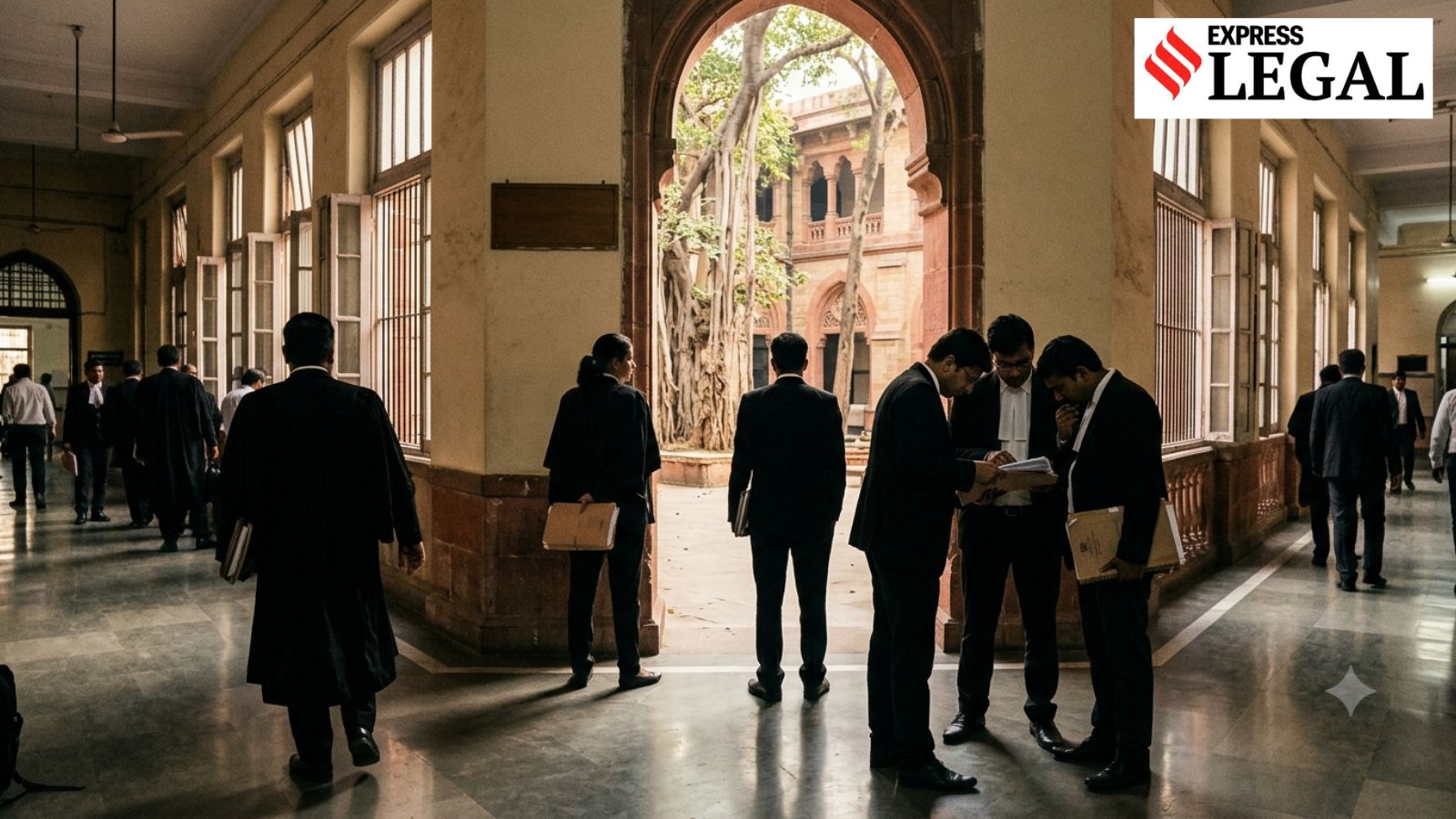
The Telangana High Court has firmly stated that bar association boycotts do not grant the right to obstruct or intimidate advocates who choose to attend court. Dismissing a contempt plea, the court emphasized that while advocates have a limited right to protest, this cannot extend to coercion or physical harm against those who wish to practice their profession.
Imagine lawyers have a club, and sometimes they decide to stop working for a day to protest something. But if one lawyer still wants to go to work, the club can't stop them or hurt them. The court said it's not fair to block or push someone who wants to do their job, even if most of the club is protesting.
Analysis
Bar Protests and Advocate Rights
The Telangana High Court's judgment on September 21, 2024, addresses a critical tension between the right of bar associations to protest and the fundamental right of individual advocates to practice their profession. The court unequivocally stated that a boycott resolution by a bar association cannot compel an advocate to abstain from court proceedings. Justice Laxmi Narayana Alishetty's bench emphasized that no advocate, litigant, or other person should face intimidation, coercion, obstruction, or harm for choosing to attend court or pursue legal remedies, even during a protest.
The ruling stems from a contempt plea filed by an advocate who alleged he was obstructed and assaulted by office-bearers of the Metropolitan Criminal Court Bar Association, Nampally, for refusing to join a one-day boycott called on June 16, 2025. The advocate claimed he was prevented from entering the court, asked to remove his advocate's band, and subsequently slapped and assaulted, leading to a head injury. While the court acknowledged the importance of advocate safety and dignity for the independence of the Bar, it found insufficient material to proceed with the contempt charges against the office-bearers collectively.
Supreme Court Precedents and Limitations
The High Court's decision is grounded in established legal principles, referencing the Supreme Court's recognition of a limited exception for advocates to abstain from court work. This exception is permissible only in the rarest of rare situations concerning the dignity, integrity, or independence of the Bar or Bench. Crucially, such abstention cannot exceed a single day. Furthermore, any such call for a boycott must involve prior consultation with the Chief Justice or the District Judge, and the decision of the judicial authority must be respected.
In this specific case, the court noted that the Bar president had not consulted the concerned Metropolitan Sessions Judge before passing the boycott resolution. Even if the circumstances were deemed exceptional enough for a one-day abstention, the court stressed that this exception does not authorize or protect any form of coercion, intimidation, obstruction, or physical assault against an advocate who chooses to attend court. The court pointed out that the alleged physical assault was specifically attributed to one advocate (respondent number 5) and not to the collective office-bearers, making collective contempt proceedings difficult to sustain.
Contempt Proceedings and Adjudication
Despite its strong observations on the illegality of obstructing advocates, the High Court ultimately dismissed the contempt case. The primary reason for dismissal was the lack of specific allegations and material demonstrating the individual role and involvement of each respondent office-bearer. The court held that contempt liability cannot be imposed merely based on holding a position within the Bar Association. It also noted that parallel adjudication of disputed facts, especially when criminal proceedings were already initiated concerning the alleged assault, was not appropriate for a contempt court.
The court further observed that the advocate in question did ultimately enter the court premises and attend his matter. Additionally, there was no evidence that other advocates who defied the boycott call faced similar intimidation or assault from the office-bearers. While dismissing the case, the court issued a clear clarification: its decision should not be interpreted as condoning or legitimizing any act of assault, intimidation, coercion, or obstruction against an advocate attending court during a boycott. It urged office-bearers to exercise due care and responsibility in organizing or participating in any future boycotts, ensuring compliance with legal guidelines.
Key points
- The Telangana High Court ruled that bar association boycotts cannot legally prevent advocates from entering court.
- The court dismissed a contempt plea where an advocate alleged obstruction and assault for refusing to join a boycott.
- Advocates cannot be subjected to intimidation or coercion for choosing to attend court, even during protests.
- Supreme Court guidelines allow only limited, one-day boycotts in exceptional circumstances, requiring judicial consultation.
- The High Court emphasized that contempt proceedings require specific evidence of individual involvement, not collective action.
This ruling strengthens the principle that access to justice should not be hindered by internal bar politics or coercive tactics. It could lead to greater adherence to legal procedures for organizing protests, ensuring that advocates can perform their duties without fear of intimidation or physical harm.
Despite the clear ruling, there's a risk that bar associations might continue to exert pressure through less overt means, or that individual advocates who defy boycotts may still face social ostracization or subtle forms of professional retaliation within the legal community.