Bengal joins ‘Beti Bachao, Beti Padhao’; Rs 2k aid for schoolgirls from 2027
West Bengal joins Centre's 'Beti Bachao, Beti Padhao' scheme, doubling annual scholarship for schoolgirls to Rs 2,000.
Intelligence analysis by Llama 3.3 70B
The scheme aims to promote women's education, empowerment, and safety, with the state government committed to expanding women's education and economic security-related programs.
The West Bengal government is helping schoolgirls by giving them more money to study and learn, so they can grow up to be strong and smart women.
Analysis
Suvendu Adhikari's Announcement
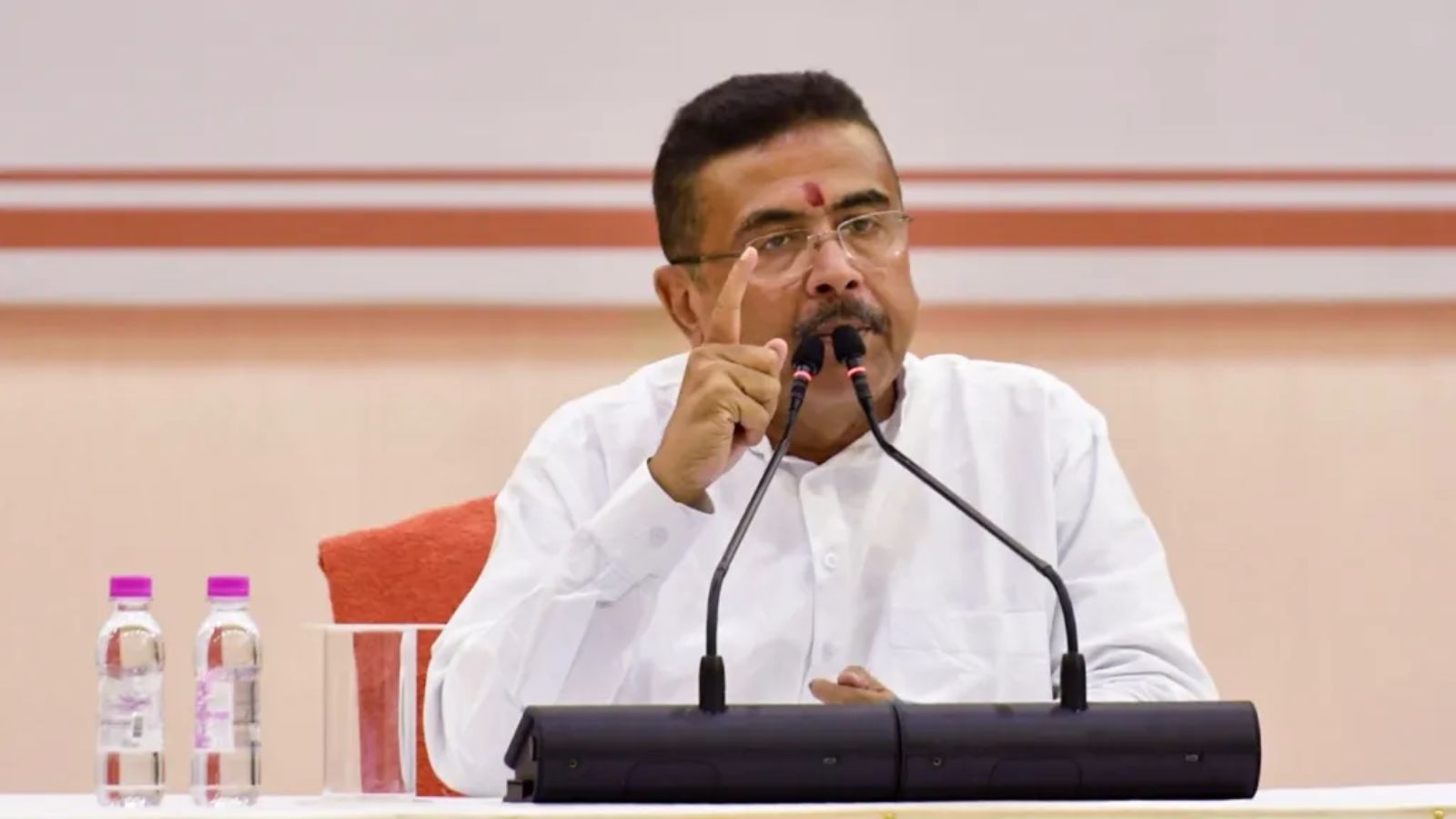
The Chief Minister of West Bengal, Suvendu Adhikari, announced the introduction of the Centre's 'Beti Bachao, Beti Padhao' scheme in the state, with the aim of promoting women's education, empowerment, and safety. The scheme, which was launched by the Union government in 2015, has been implemented in all states, but West Bengal had not joined it until now.
Kanya Ratna Divas
The announcement was made on 'Kanya Ratna Divas', formerly known as 'Kanyashree Day', which is observed to mark the success of the Kanyashree financial assistance scheme. The scheme provides annual scholarships to schoolgirls, which has been doubled from Rs 1,000 to Rs 2,000, effective from the next academic session.
PALNA Initiative
The Chief Minister also unveiled a new initiative, 'PALNA', which aims to provide safe day-care facilities, nutrition, and early cognitive development for children of working women. The scheme is primarily delivered through Anganwadi-cum-creches, and is expected to help working mothers and boost female workforce participation.
Key points
- West Bengal joins Centre's 'Beti Bachao, Beti Padhao' scheme
- Annual scholarship for schoolgirls doubled to Rs 2,000
- New initiative 'PALNA' launched to provide safe day-care facilities for children of working women
The implementation of the 'Beti Bachao, Beti Padhao' scheme in West Bengal is expected to have a positive impact on the state's social and economic development, as it promotes women's education and empowerment.
The success of the scheme depends on the effective implementation and monitoring, and any lapses in this regard could lead to a lack of impact or even negative consequences.