Berlin Police Chief Accuses Rheinmetall of Delivering Defective Body Armor
Berlin's Interior Senator Iris Spranger (SPD) has accused Rheinmetall of an "absolutely unacceptable quality defect" after more than 5,200 bulletproof plates from 2017 failed ballistic tests before their warranty expired.
Intelligence analysis by Llama
Berlin's interior minister publicly blamed Rheinmetall after 5,200+ protective plates from 2017 lost effectiveness early, calling it a "scandalous incident." The accusation lands on a defense giant whose stock has surged 1,200% in four years.
Police officers wear special vests to stop bullets. Berlin's police found that more than 5,200 bullet-stopping plates inside vests from a company called Rheinmetall had gone bad early. The city is angry and is making the company pay for new ones, like returning a broken toy to the store.
Analysis
5,200 Failed Plates and the "Scandalous Incident"
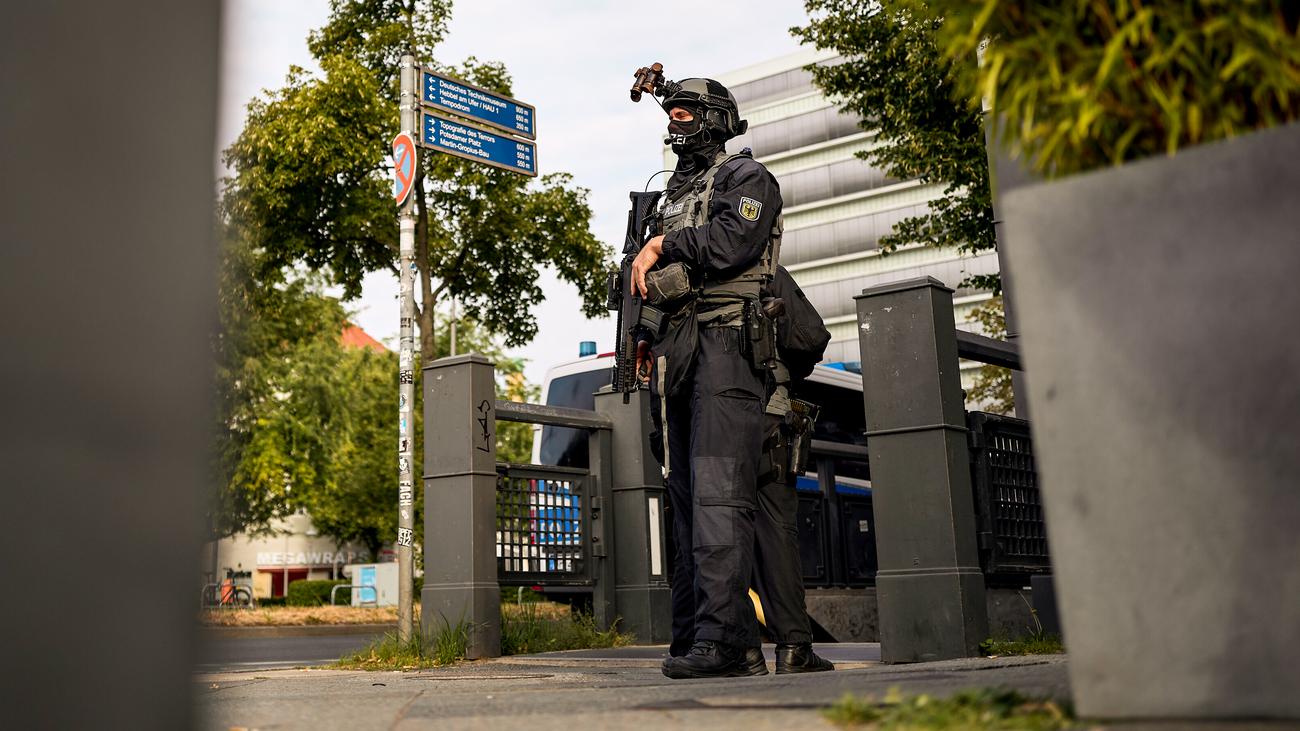
Berlin's Interior Senator Iris Spranger (SPD) has publicly accused Rheinmetall, one of Europe's largest defense contractors, of delivering bulletproof plates that lost their protective function before the manufacturer's ten-year warranty expired. More than 5,200 plates supplied in 2017 failed during tests and control firing, with bullets piercing through. Spranger described the episode as "absolutely unacceptable" and a "scandalous incident," placing blame squarely on the manufacturer. The complaint centers on a company that has profited substantially from the European rearmament cycle triggered by Russia's invasion of Ukraine. For Berlin's police force, the failures create both an immediate operational risk and a public accountability problem, since officers may have relied on equipment that could not stop incoming fire.
Armin Papperger's 1,200 Percent Stock Rally
The accusation lands on a defense giant in the middle of an extraordinary financial upswing. According to the article, Rheinmetall's share price has climbed more than 1,200 percent over the past four years, and CEO Armin Papperger projects that rising revenues will not plateau until between 2035 and 2040. The company's Q2 2026 operating profit reached 562 million euros. That trajectory, driven by European governments scrambling to refill arsenals after the war in Ukraine, has made Rheinmetall a flagship of the continent's industrial response to security threats. The quality complaint now creates a credibility challenge for a firm that has positioned itself as indispensable to that mission, and it hands politicians a rhetorical opening to demand accountability from defense suppliers benefiting from public largesse.
The 1.2 Million Euro Interim Order
While the political dispute unfolds, the Berlin police have moved to plug the gap. According to Spranger, 2,000 new protective plates have been ordered at a cost of 1.2 million euros, with the new equipment specified to withstand assault rifle fire including rounds from Kalashnikov-pattern weapons. The replacement represents a stopgap rather than a full solution, since the failed stock numbered more than 5,200 units. Beyond the immediate procurement, Spranger has signaled her intention to meet with Rheinmetall's leadership to press damages claims. The episode, although ultimately a procurement dispute, will likely sharpen scrutiny of how quality assurance is handled across the wider German defense supply chain as Berlin and other European capitals dramatically expand their military budgets.
Key points
- Berlin Interior Senator Iris Spranger (SPD) accused Rheinmetall of delivering more than 5,200 defective protective plates originally supplied in 2017
- Plates failed ballistic tests and allowed through-shots before their 10-year manufacturer warranty expired
- Berlin police have ordered 2,000 replacement plates for 1.2 million euros, rated to withstand Kalashnikov-pattern fire
- Rheinmetall's share price has risen more than 1,200 percent over four years amid European rearmament, with Q2 2026 operating profit of 562 million euros
- CEO Armin Papperger expects rising revenues to continue until between 2035 and 2040
- Spranger plans to meet Rheinmetall leadership to pursue damages claims
If Rheinmetall accepts responsibility and replaces the faulty plates promptly, the dispute could strengthen quality standards across Germany's defense procurement. Successful damages claims would also return public money to Berlin while reinforcing oversight of a fast-growing contractor.
The defect could have exposed Berlin officers to real danger before replacements arrived, and the incident may signal broader quality control issues as Rheinmetall rapidly scales production. A drawn-out legal fight over damages could also delay full re-equipment of the force.
Market signals
- RHM A public quality defect accusation and pending damages claims create reputational and financial risk for Rheinmetall despite its strong order book, per Spranger's statement in the article.
AI-generated analysis of potential market relevance. Not financial advice.