Putin Authorizes State Takeover of Vulnerable Infrastructure in Russia
Russian President Vladimir Putin has authorized the state to take control of vulnerable infrastructure in response to increased drone attacks from Ukraine. The decree allows for the temporary state administration of assets and property rights if operators fail to meet the…
Intelligence analysis by Llama
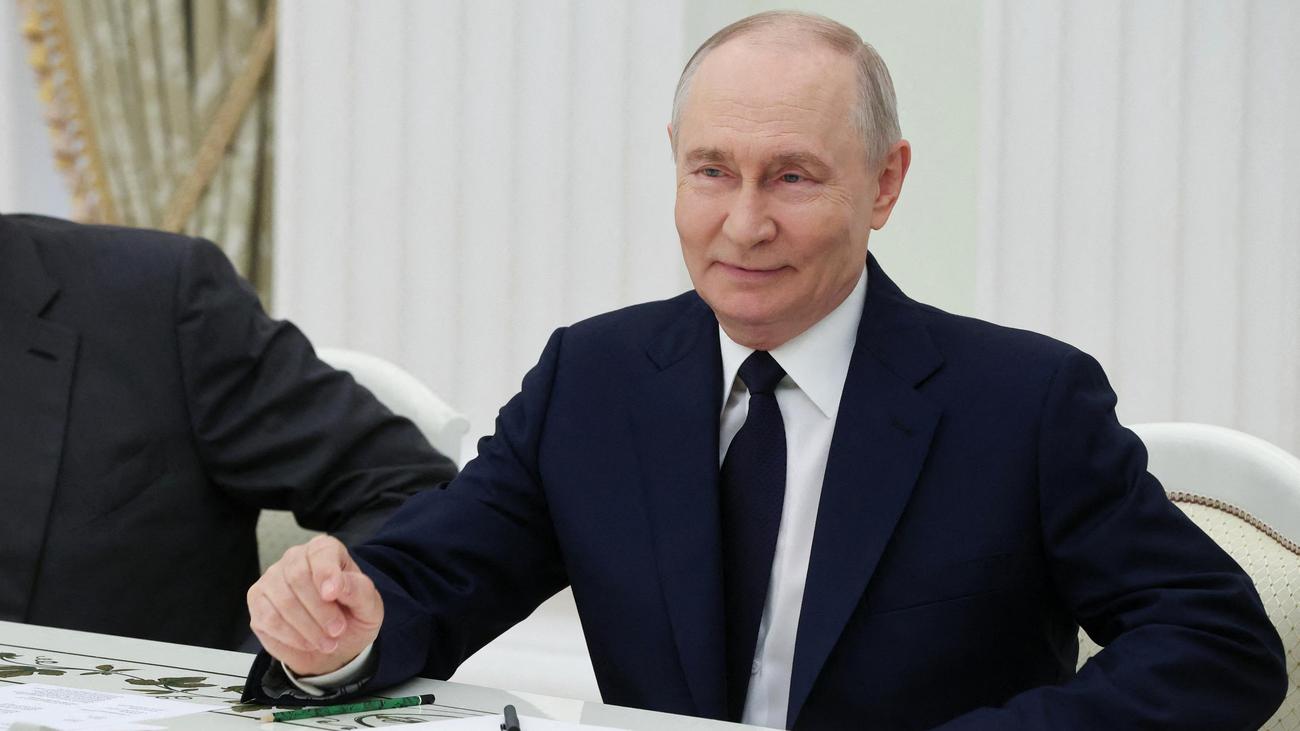
Russian President Vladimir Putin has issued a decree allowing the state to take control of vulnerable infrastructure in response to increased drone attacks from Ukraine. The decree targets facilities in the energy, industry, transportation, logistics, and communication sectors that are critical to the country's security and economic stability.
Imagine a country's critical infrastructure, like power plants and oil refineries, being attacked by drones. The country's leader, Vladimir Putin, has given the government the power to take control of these vulnerable areas to prevent further damage and ensure the country's stability.
Analysis
Putin's Decree: A Response to Ukraine's Drone Attacks
Russian President Vladimir Putin has issued a decree authorizing the state to take control of vulnerable infrastructure in response to increased drone attacks from Ukraine. The decree targets facilities in the energy, industry, transportation, logistics, and communication sectors that are critical to the country's security and economic stability.
The decree allows for the temporary state administration of assets and property rights if operators fail to meet their protection obligations or repair damage from attacks. This move is seen as a response to Ukraine's recent escalation of drone attacks on Russian oil refineries and logistics centers.
The attacks have caused significant disruptions to Russia's supply chain, with at least 24 warehouses of the online retailer Wildberries being attacked since mid-July. The second-largest Russian online retailer, Ozon, has also reported that four of its logistics centers in southern Russia have been targeted by Ukrainian attacks.
Putin's decree is aimed at preventing further disruptions to Russia's critical infrastructure and ensuring the country's economic stability. The move is seen as a response to the growing threat posed by Ukraine's drone attacks and the potential impact on global energy markets.
Implications for Global Energy Markets
The decree has significant implications for global energy markets, particularly in the context of the ongoing conflict between Russia and Ukraine. The attacks on Russian oil refineries and logistics centers have already caused significant disruptions to the country's supply chain, leading to a shortage of gasoline and diesel in Russia.
The shortage has led to long queues at gas stations, with some stations rationing fuel. The situation is likely to worsen if the attacks continue, potentially leading to a global energy crisis.
Russia's Response to the Crisis
Putin's decree is part of Russia's response to the crisis, aimed at preventing further disruptions to the country's critical infrastructure. The move is seen as a response to the growing threat posed by Ukraine's drone attacks and the potential impact on global energy markets.
The decree is part of a broader effort by Russia to address the crisis, including the establishment of a reconstruction program for damaged industrial and logistics facilities. The program aims to restore the country's critical infrastructure and ensure its economic stability.
Key points
- Russian President Vladimir Putin has authorized the state to take control of vulnerable infrastructure in response to increased drone attacks from Ukraine.
- The decree targets facilities in the energy, industry, transportation, logistics, and communication sectors that are critical to the country's security and economic stability.
- The decree allows for the temporary state administration of assets and property rights if operators fail to meet their protection obligations or repair damage from attacks.
- The attacks on Russian oil refineries and logistics centers have caused significant disruptions to the country's supply chain and led to a shortage of gasoline and diesel in Russia.
If the decree is implemented effectively, it could help prevent further disruptions to Russia's critical infrastructure and ensure the country's economic stability. This could lead to a reduction in the impact of the conflict on global energy markets.
However, the decree's effectiveness is uncertain, and the situation could worsen if the attacks continue. The potential for a global energy crisis remains a significant concern.