Beyond screen time, examine social media activities for more targeted intervention: Experts
Experts recommend tackling social media features that could expose young users to mental health risks, rather than an age-based blanket ban on social media. Problematic use of social media that goes beyond screen time can sometimes be linked to emotional distress, lonelin…
Intelligence analysis by Llama
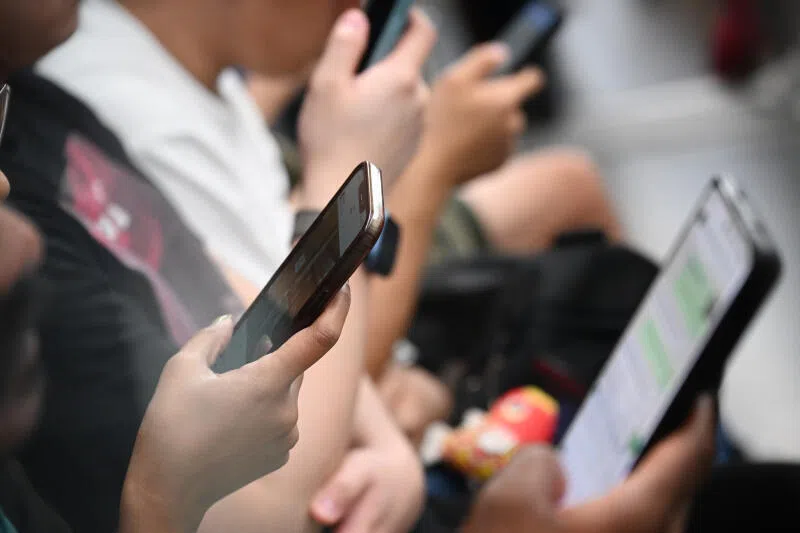
Experts recommend targeted intervention measures to address problematic social media use among young people, including counselling, building coping mechanisms, and restricting harmful platform features. They also suggest introducing offline activities such as physical hobbies and creating space for guided discussions and scenario-based learning in schools.
Some people use social media too much and it can make them feel sad, lonely, or unsure about who they are. Experts want to help these people by teaching them how to use social media in a healthier way and by making social media companies change their features to help people.
Analysis
Problematic Social Media Use Among Young People in Singapore
Problematic use of social media that goes beyond screen time can sometimes be linked to emotional distress, loneliness, identity struggles, or a strong need for social validation. Experts recommend tackling social media features that could expose young users to mental health risks, rather than an age-based blanket ban on social media.
Interventions to Address Problematic Social Media Use
Interventions may involve counselling, strengthening coping mechanisms, improving emotional regulation, and building healthier ways to meet those needs. Broader interventions include introducing tougher regulations to get social media platforms to limit features that either promote harmful content or excessive use.
Whole-of-Society Response
A whole-of-society response is necessary to address the issue of problematic social media use among young people. This includes more cyberliteracy workshops for parents at neighbourhood centres to familiarise them with harmful social media features and safeguards. Parents can also join their children in online activities they engage in and explain the distinction between the various types of activities and their impacts.
Guided Discussions and Scenario-Based Learning in Schools
Schools can create space for guided discussions and scenario-based learning to help young users reflect on their social media use. This can include asking how certain content makes them feel, why they are drawn to it, and whether their online interactions are affecting their mood, self-esteem, sleep or relationships.
Key points
- Problematic use of social media that goes beyond screen time can sometimes be linked to emotional distress, loneliness, identity struggles, or a strong need for social validation.
- Experts recommend tackling social media features that could expose young users to mental health risks, rather than an age-based blanket ban on social media.
- Interventions may involve counselling, strengthening coping mechanisms, improving emotional regulation, and building healthier ways to meet those needs.
- A whole-of-society response is necessary to address the issue of problematic social media use among young people.
If social media companies change their features to help people use social media in a healthier way, it could lead to a decrease in mental health problems among young people in Singapore. Parents and schools can also play a role in teaching young people how to use social media responsibly.
If social media companies do not change their features to help people use social media in a healthier way, it could lead to an increase in mental health problems among young people in Singapore. This could have long-term consequences for their mental health and well-being.