Bihar should withdraw alcohol ban as it failed to curb crimes against women: Report
A research paper by the National Council of Applied Economic Research (NCAER) suggests that Bihar's prohibition on alcohol has failed to reduce crimes against women and has been accompanied by a rise in illicit liquor and alternative intoxicants. The paper recommends that…
Intelligence analysis by Llama
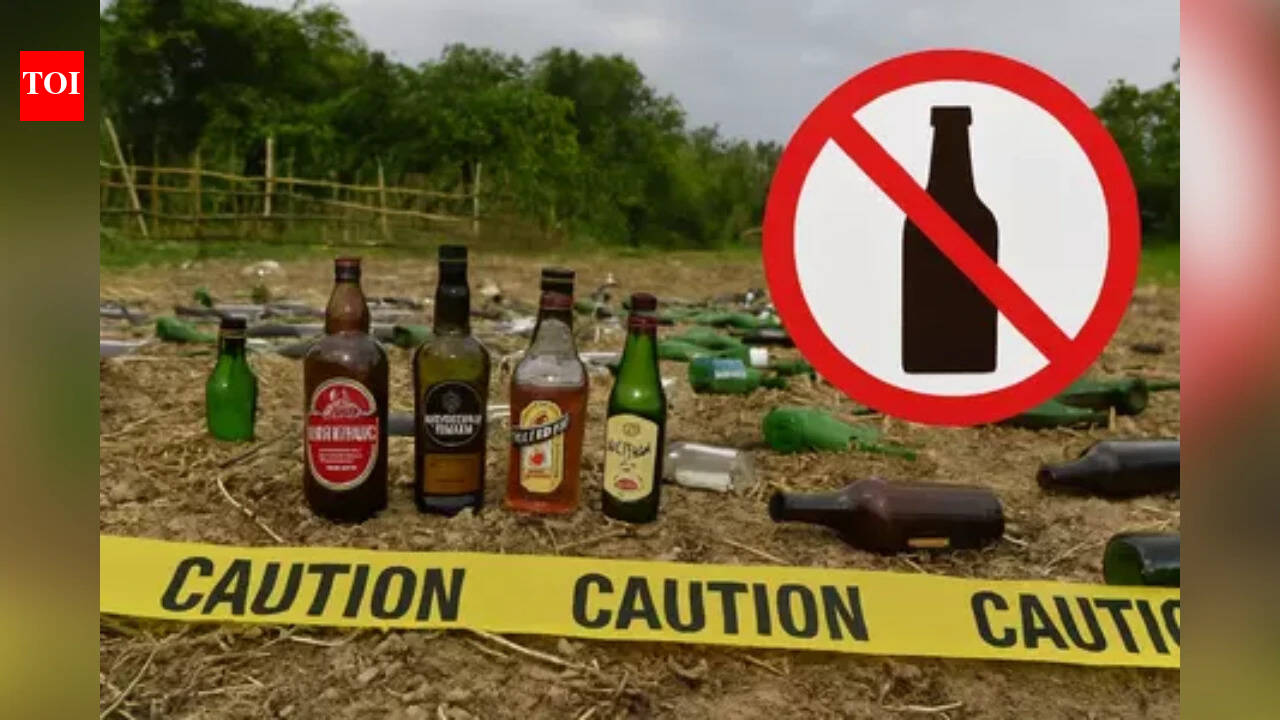
A research paper by NCAER suggests that Bihar's alcohol ban has failed to reduce crimes against women and has led to a rise in illicit liquor and alternative intoxicants. The paper recommends withdrawing the ban and restoring liquor excise duty to pre-ban levels.
Bihar, a state in India, had a law that banned alcohol. However, this law did not reduce crimes against women and instead led to a rise in the sale of illicit liquor and the use of alternative intoxicants. The researchers recommend that the state lift the ban and restore the tax on alcohol to its previous level to increase state revenue and reduce enforcement costs.
Analysis
Ban on Alcohol and Crimes Against Women: A Study of Bihar's Prohibition Policy
The National Council of Applied Economic Research (NCAER) has released a research paper titled 'Macro Perspective of Bihar's Development Achievements, Unfinished Agenda, and the Way Forward'. The paper examines the economic and social impact of Bihar's prohibition on alcohol, which was introduced in April 2016. The researchers argue that the ban has failed to reduce crimes against women and has been accompanied by a rise in illicit liquor and alternative intoxicants.
The paper cites data from the National Crime Records Bureau (NCRB) to show that reported crimes against women in Bihar have not declined following the introduction of prohibition. Instead, the total reported crimes against women increased over the post-2016 period. The researchers also point to increased use of alternative intoxicants, including illicit drugs.
The paper concludes that the prohibition has not achieved its intended objectives and has instead coincided with higher reported crimes against women, loss of state revenue, and increased enforcement expenditure. The researchers recommend that the state withdraw the ban and restore liquor excise duty to pre-ban levels to increase state revenues and reduce enforcement expenditure.
Bihar's Development Strategy: Priorities and Reforms
The paper identifies six interconnected areas that it says should form the core of Bihar's development strategy: education, health, governance and law and order, flood mitigation, private-sector development, and women's empowerment. The researchers argue that reforms in these areas are necessary to improve productivity, accelerate structural transformation, and create better-quality jobs for Bihar's young population.
The paper also examines the state's public debt and fiscal sustainability, and assesses the financing required for different reform scenarios. It calls for a combination of stronger own-revenue mobilisation, more efficient public spending, additional central government support, and, where necessary, further borrowing.
Conclusion
The NCAER paper provides a comprehensive analysis of the impact of Bihar's prohibition on alcohol and its implications for the state's development strategy. The researchers' recommendations have significant implications for the state's efforts to reduce crimes against women and improve its economy and public health.
Key points
- Bihar's prohibition on alcohol has failed to reduce crimes against women.
- The ban has been accompanied by a rise in illicit liquor and alternative intoxicants.
- The researchers recommend that the state withdraw the ban and restore liquor excise duty to pre-ban levels.
- The state's development strategy should focus on education, health, governance and law and order, flood mitigation, private-sector development, and women's empowerment.
- Reforms in these areas are necessary to improve productivity, accelerate structural transformation, and create better-quality jobs for Bihar's young population.
If the state withdraws the ban and restores the tax on alcohol, it could lead to an increase in state revenue and a reduction in enforcement costs. This could also lead to a decrease in the sale of illicit liquor and the use of alternative intoxicants, which could have a positive impact on public health.
If the state fails to withdraw the ban and restore the tax on alcohol, it could lead to continued losses in state revenue and increased enforcement costs. This could also lead to a continued rise in the sale of illicit liquor and the use of alternative intoxicants, which could have a negative impact on public health.