Birding paradise flourishes in Colombian region that was once a war zone
A region in western Colombia, once a war zone, has become a birding paradise due to the peace deal signed in 2016. The area is now home to a growing ecotourism industry, attracting bird watchers from around the world.
Intelligence analysis by Llama
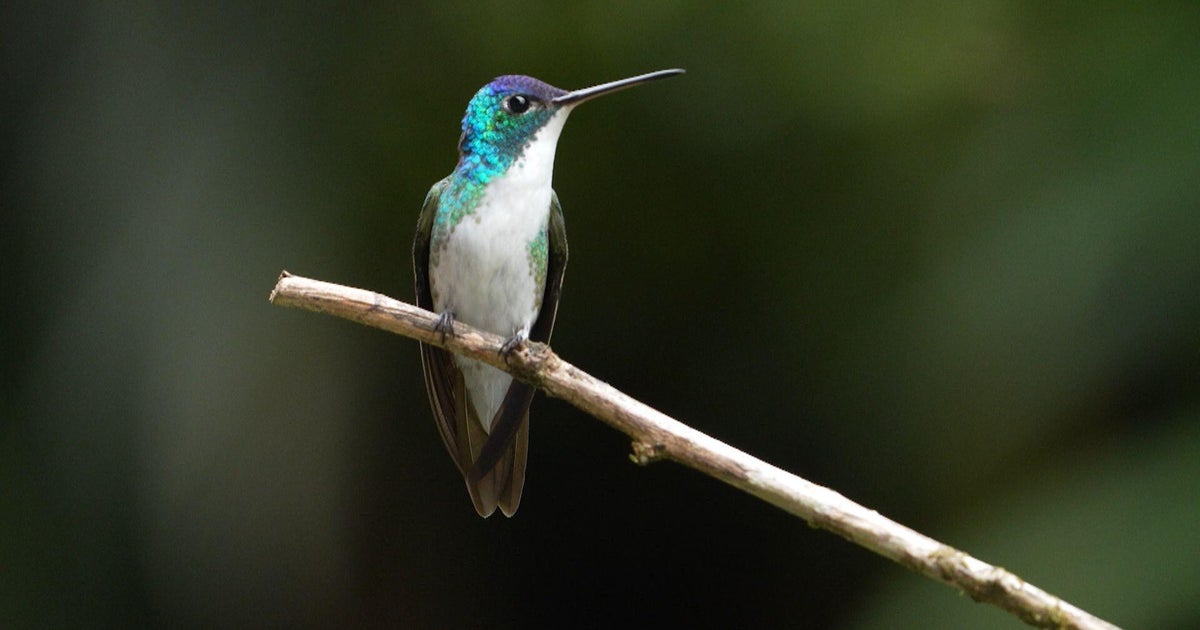
A region in western Colombia, once a war zone, has become a birding paradise due to the peace deal signed in 2016. The area is now home to a growing ecotourism industry, attracting bird watchers from around the world. The region is home to over 2,000 species of birds, making it a unique destination for bird enthusiasts.
Imagine a place where you can see over 2,000 different types of birds, including some that are found nowhere else on Earth. This is what it's like to visit a region in western Colombia, once a war zone, but now a birding paradise. The area is home to a thriving ecotourism industry, with many local businesses offering bird-watching tours and other activities. The region's unique biodiversity and cultural heritage make it a must-visit destination for anyone interested in nature and wildlife.
Analysis
A Birding Paradise Reborn
The region in western Colombia, once a war zone, has undergone a remarkable transformation since the peace deal was signed in 2016. The area, which was previously inaccessible due to the presence of armed groups, is now home to a thriving ecotourism industry. Bird watchers from around the world are flocking to the region, drawn by the opportunity to spot some of the 2,000 species of birds that call this area home.
Diego Calderón Franco, one of Colombia's most famous birding guides, has been leading expeditions to the region for years. He has a deep understanding of the local flora and fauna, and is able to identify even the rarest species. His enthusiasm is infectious, and he is able to convey the excitement and wonder of exploring this unspoiled region.
The area is home to a wide range of bird species, from the majestic Andean condor to the tiny hummingbird. The birds are not the only attraction, however - the region is also home to a variety of other wildlife, including monkeys, sloths, and even jaguars. The lush rainforest, which covers much of the region, is a haven for bird enthusiasts, with its towering trees, sparkling rivers, and vibrant flowers.
The peace deal signed in 2016 has had a profound impact on the region. The reduction in violence has allowed people to return to their homes, and the local economy has begun to flourish. The ecotourism industry is a key part of this growth, with many local businesses offering bird-watching tours and other activities. The industry is not only generating revenue, but also creating jobs and stimulating economic growth.
The region's unique biodiversity is a major draw for bird enthusiasts. The area is home to many species that can be found nowhere else on Earth, including the Andean condor, the harpy eagle, and the resplendent quetzal. The region's rich cultural heritage is also an important part of its appeal, with many indigenous communities living in the area and offering a glimpse into a traditional way of life.
The story of the region's transformation is a testament to the power of peace and stability. The peace deal signed in 2016 has not only brought an end to the violence, but has also created opportunities for economic growth and development. The ecotourism industry is a key part of this growth, and is helping to promote the region's unique biodiversity and cultural heritage.
Key points
- The region in western Colombia, once a war zone, has become a birding paradise due to the peace deal signed in 2016.
- The area is home to over 2,000 species of birds, making it a unique destination for bird enthusiasts.
- The region's unique biodiversity and cultural heritage are vulnerable to the impacts of climate change.
- The growth of the ecotourism industry could lead to over-tourism, putting pressure on the local environment and threatening the very thing that attracts tourists in the first place.
The peace deal signed in 2016 has created opportunities for economic growth and development in the region. The ecotourism industry is a key part of this growth, and is helping to promote the region's unique biodiversity and cultural heritage. As the industry continues to grow, it is likely to create more jobs and stimulate economic growth, benefiting both the local community and the national economy.
The region's unique biodiversity and cultural heritage are vulnerable to the impacts of climate change. Rising temperatures and changing precipitation patterns could alter the distribution and abundance of bird species, making it harder for tourists to spot them. Additionally, the growth of the ecotourism industry could lead to over-tourism, putting pressure on the local environment and threatening the very thing that attracts tourists in the first place.