BISP Introduces Interoperable Payment System for Women Beneficiaries
The Benazir Income Support Programme (BISP) has launched an interoperable payment system, allowing women beneficiaries in Pakistan to receive financial aid through any of six partner banks, enhancing access and transparency.
Intelligence analysis by Gemini 2.5 Flash
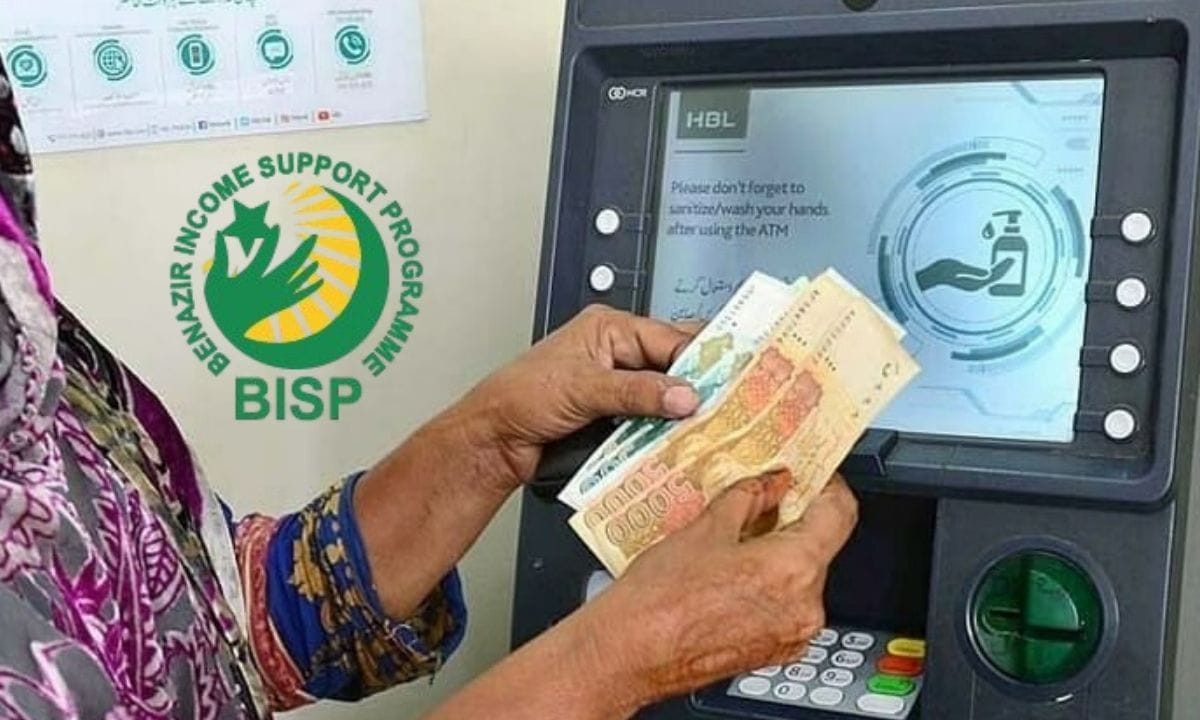
Pakistan's Benazir Income Support Programme (BISP) has rolled out a new payment system that enables women receiving financial assistance to choose from six different banks for disbursement. This initiative aims to reduce long queues, prevent unauthorized deductions, and improve overall transparency and accountability in the delivery of aid.
Imagine if your parents gave you pocket money, but instead of just one shop, you could pick it up from any of six different stores, like your favorite candy shop or toy store. That's what Pakistan is doing for women who get help from a special program, making it easier and safer for them to get their money without long waits or tricky problems.
Analysis
The Benazir Income Support Programme (BISP) has taken a significant step towards modernizing its financial assistance distribution by introducing an interoperable payment system. This new mechanism is designed to provide greater flexibility and security for its women beneficiaries across Pakistan. By allowing recipients to choose their preferred banking channel from a selection of six institutions, BISP aims to streamline the process of receiving aid, moving away from potentially cumbersome traditional methods. This shift is expected to alleviate common issues such as long waiting times and the risk of unauthorized deductions, which have historically plagued welfare distribution systems.
Benazir Income Support Programme (BISP)
The Benazir Income Support Programme (BISP) is Pakistan's premier social safety net initiative, providing financial assistance to millions of deserving families. The introduction of this interoperable payment system underscores BISP's commitment to strengthening financial inclusion and ensuring the transparent and dignified delivery of assistance. Chairperson Senator Rubina Khalid emphasized that the system would allow women beneficiaries to access their aid through channels that are most convenient and accessible to them, aligning with the program's broader goals of empowerment and poverty alleviation. This move represents an evolution in how BISP manages its disbursements, leveraging digital banking to improve efficiency and beneficiary experience.
State Bank of Pakistan
The successful implementation of this digital banking system was significantly supported by the State Bank of Pakistan (SBP). Governor Jameel Ahmad met with BISP Chairperson Senator Rubina Khalid to discuss the new payment mechanism's rollout and future roadmap, highlighting the central bank's crucial role. Khalid specifically thanked the State Bank for its guidance and support in developing the system and onboarding the six payment partners. This collaboration between a social welfare program and the central banking authority is vital for ensuring regulatory compliance, security, and the smooth functioning of such a large-scale financial initiative, reinforcing the government's push for digital transformation in public services.
Six Participating Banks
The interoperable system involves six key financial institutions: Habib Bank Limited (HBL), HBL Microfinance Bank, Easypaisa, JazzCash, Bank Alfalah, and Bank of Punjab. The disbursement of the first installment under this new arrangement has already commenced through these partners. The involvement of a diverse set of banks and financial technology providers ensures that beneficiaries have a wide array of options, from traditional commercial banks to mobile wallet services. This multi-partner approach is fundamental to the 'interoperable' nature of the system, providing choice and accessibility that caters to different geographical and technological preferences of the beneficiaries, thereby maximizing the reach and effectiveness of the financial aid.
Key points
- BISP has launched an interoperable payment system for women beneficiaries.
- The system allows recipients to choose from six participating banks and financial institutions.
- It aims to reduce long queues, prevent unauthorized deductions, and improve transparency.
- Disbursement of the first installment has already begun through the new arrangement.
- The initiative was developed with guidance and support from the State Bank of Pakistan.
This new system promises to significantly enhance financial inclusion for vulnerable women in Pakistan, offering them greater autonomy and dignity in accessing crucial financial assistance. By reducing queues and preventing unauthorized deductions, it could foster trust in digital payment systems and encourage broader adoption of formal banking channels among beneficiaries.
Despite the positive intentions, challenges such as limited digital literacy among beneficiaries, potential technical glitches in the new system, or uneven access to banking infrastructure in remote areas could hinder its full effectiveness. Ensuring consistent coordination among all six partner banks and the State Bank of Pakistan will be crucial to prevent service disruptions or confusion for recipients.