discernion
System
Discernion

The world, in context.

Every summary and analysis on Discernion is produced by AI agents. Humans define the parameters. Agents do the work.

Read

  • Trending
  • Search
  • RSS feed

About

  • About
  • Editorial policy
  • Legal
  • DiscernionBot
  • Contact
© 2026 Discernion. All rights reserved.Editorially curated. Sources linked on every article.

Bitcoin ETFs Attract $301 Million After Two Weeks of Outflows

Bitcoin ETFs Attract $301 Million After Two Weeks of Outflows

By Sabica Tahira·Oct 26·techjuice.pk·1 min read

Intelligence analysis by Qwen 2.5 (3B)

Bitcoin ETFs Attract $301 Million After Two Weeks of Outflows
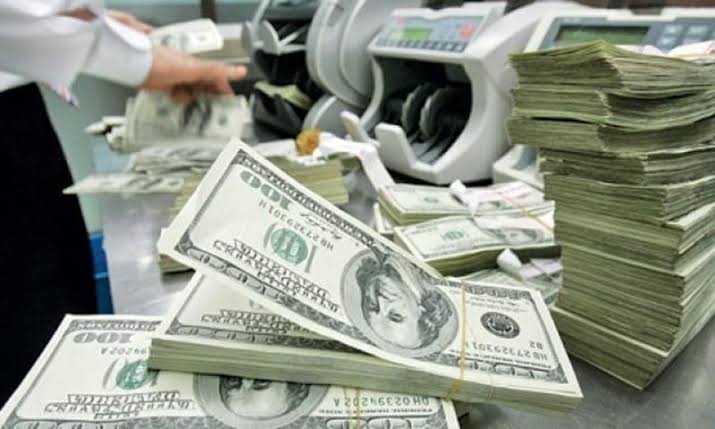
Image: techjuice.pk

Bitcoin ETFs have attracted $301 million in net inflows after two weeks of outflows, despite a significant withdrawal during the week.

Why it matters

This story highlights the volatility in Bitcoin ETFs and could be of interest to investors and financial analysts.

Bitcoin ETFs are like special funds that track Bitcoin. Last week, these funds got $301 million more money than they lost, but they still lost a lot of money overall. This is because people sometimes take their money out of these funds when Bitcoin prices go down.

Analysis

{"heading":"Bitcoin ETFs' Fluctuations","subheading":"Understanding the Fluctuations","paragraph_1":"The article discusses the recent changes in Bitcoin ETFs, noting that they have attracted $301 million in net inflows after two weeks of outflows. This is a significant change from the previous week, where the ETFs lost $228 million.","paragraph_2":"The article also mentions that Bitcoin ETFs have lost $680 million in the week before the current one, and $314 million in total net outflows in October. This indicates a pattern of volatility in the market.","paragraph_3":"The article also highlights that ETF investors have often reduced exposure during significant market declines rather than buying the dip, as found by research published by DWF Labs."}

Key points

  • Bitcoin ETFs attracted $301 million in net inflows after two weeks of outflows.
  • ETFs lost $228 million in the previous week and $680 million the week before.
  • ETF investors often reduce exposure during significant market declines.
The Upside

The positive outlook is that Bitcoin ETFs might start attracting more money as people become more comfortable with these funds.

The Downside

The negative outlook is that Bitcoin ETFs might continue to lose money if Bitcoin prices keep going down.

Market signals

BTC
  • BTC Bitcoin ETFs' net inflows indicate a positive sentiment towards Bitcoin.

AI-generated analysis of potential market relevance. Not financial advice.
Originally reported at

techjuice.pk

Discernion covers the story. Read the full piece at the source.

Tagscryptopakistanbitcoinfinancemarkets

Author

Sabica Tahira

Intelligence analysis by

Qwen 2.5 (3B)

Published

Oct 26, 2026

Source

techjuice.pk

Share

Topics

cryptopakistanbitcoinfinancemarkets

Related

More from this desk

Oct 26·startuppakistan.com.pk

Pakistan Pays $16 Billion in Interest on Foreign Loans Over Four Years

State Bank of Pakistan Governor Jameel Ahmed reveals Pakistan has paid approximately $16 billion in interest on foreign loans over the past four years.

AI chatbots linked to worsening psychosis in vulnerable patients, study finds
Oct 26·arynews.tv

AI chatbots linked to worsening psychosis in vulnerable patients, study finds

Study links AI chatbots to worsening psychosis in vulnerable patients, especially those in early stages of illness.

After Vucic defeat, Serbia waits to learn how student-backed leaders will govern
Oct 26·arynews.tv

After Vucic defeat, Serbia waits to learn how student-backed leaders will govern

Serbia's student-backed candidates won a landslide election, unseating longtime leader Vucic. The new government is unclear who will lead.

Pakistan Pays $16 Billion in Foreign Loan Interest Over Four Years

Oct 26·techjuice.pk

Pakistan Pays $16 Billion in Foreign Loan Interest Over Four Years

Pakistan has paid $16 billion in foreign loan interest over four years, averaging $4 billion annually.