Pakistan Pays $16 Billion in Interest on Foreign Loans Over Four Years
State Bank of Pakistan Governor Jameel Ahmed reveals Pakistan has paid approximately $16 billion in interest on foreign loans over the past four years.
Intelligence analysis by Qwen 2.5 (3B)
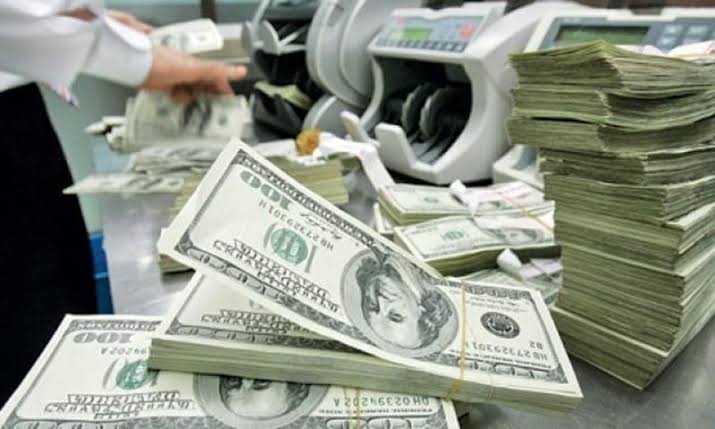
Pakistan's State Bank of Pakistan Governor Jameel Ahmed reveals the country has paid $16 billion in interest on foreign loans over the past four years.
The country of Pakistan had to pay a lot of money (about $16 billion) to its foreign friends who lent them money. They used some of their own money to pay back the loans instead of borrowing more money. This helped them keep more of their own money, which is good.
Analysis
{"
State Bank of Pakistan Governor Jameel Ahmed's Statement on Interest Payments":"State Bank of Pakistan Governor Jameel Ahmed has revealed that Pakistan has paid approximately $16 billion in interest on foreign loans over the past four years. According to Ahmed, the country's total external debt currently stands at around $107 billion. He emphasized that between $10 billion and $11 billion of the interest payments were made using dollars purchased from the open market rather than funds obtained through fresh loans. This reflects Pakistan's efforts to meet its external payment obligations without relying entirely on additional borrowing. The governor also noted that Pakistan's foreign exchange reserves have increased from approximately $3 billion in early 2023 to around $21.5 billion. Ahmed further stated that annual interest payments are expected to fall below $3 billion next year, potentially easing some pressure on the country's foreign exchange position.","
Context of Pakistan's External Debt and Interest Payments":"Pakistan's external debt has been a significant concern for the country's economy. The increase in interest payments has put pressure on the country's foreign exchange reserves. However, the governor's statement indicates that Pakistan is making progress in managing its debt. The use of open market dollars to make interest payments is a strategic move to reduce reliance on additional borrowing. This approach has helped to stabilize the country's foreign exchange reserves and reduce the burden of interest payments.","
Future Outlook and Implications":"The governor's statement provides a positive outlook for Pakistan's economic future. The expected reduction in annual interest payments to below $3 billion next year could lead to a more stable foreign exchange position. This could have positive implications for the country's economic growth and stability. However, it is important to note that the reduction in interest payments is not a guarantee of economic stability, and other factors such as inflation and global economic conditions will continue to impact Pakistan's economy."}
Key points
- Pakistan has paid approximately $16 billion in interest on foreign loans over the past four years.
- The use of open market dollars to make interest payments has helped to stabilize Pakistan's foreign exchange reserves.
- Annual interest payments are expected to fall below $3 billion next year, potentially easing some pressure on the country's foreign exchange position.
The reduction in interest payments could lead to a more stable foreign exchange position, which could have positive implications for the country's economic growth and stability.
However, the reduction in interest payments is not a guarantee of economic stability, and other factors such as inflation and global economic conditions will continue to impact Pakistan's economy.