Bitcoin holds near $66,300 as the yen hits a 40-year low
Bitcoin hovered near $66,300, holding a two-week high as trading volumes stayed robust and price moves in major tokens remained relatively muted. The yen slid past 163 per dollar for the first time since 1986, extending a decline that Japanese intervention has failed to h…
Intelligence analysis by Llama
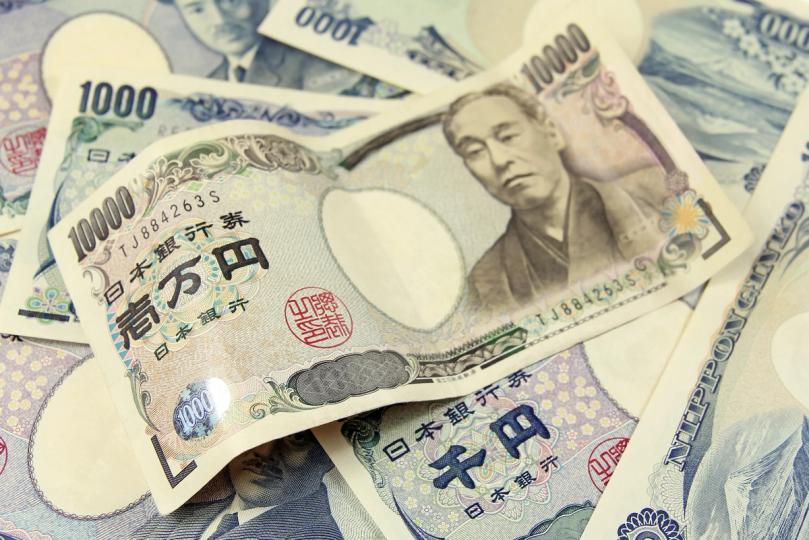
Bitcoin held near $66,300 on Wednesday, consolidating a two-week high, as the semiconductor rally that has driven crypto all month extended into a second session and the Japanese yen sank to its weakest level in four decades.
Imagine you have a special kind of money that can't be printed more of, like a super-rare coin. This money, called bitcoin, is like a safe-haven for people who are worried about the value of their regular money, like the yen, dropping too much. When the yen drops, it makes people think that the value of their money is going down, and they might want to put their money into something that's more stable, like bitcoin.
Analysis
A $60B Vote of Confidence
Bitcoin's latest leg higher appears tied more to a powerful global semiconductor rally, led by gains in U.S. and Asian chip stocks, than to any crypto-specific catalyst. The largest cryptocurrency was up nearly 1% on the day and 3% on the week, with about $31 billion changing hands and a 24-hour range of roughly $65,400 to $66,900. Ether traded near $1,935, up 3% on the week. XRP added 2% to $1.14 and TRON edged up, while the day's laggard was hyperliquid's HYPE, down 4% to $60 and off 10% over seven sessions.
Why the Chip Trade Matters
The engine is still the chip trade. MSCI's Asia Pacific equities gauge rose 1%, extending Tuesday's biggest one-day gain in a month, with South Korea's Kospi jumping 5% as a leveraged-position unwind that had pulled the benchmark nearly 30% off its peak appeared to be ending. Samsung and SK Hynix led, following a more than 5% jump in a U.S. semiconductor gauge on Tuesday that clawed the index back out of a technical bear-market territory. The Chinese AI shock that hit these same stocks less than a week ago - including bitcoin - has fully reversed.
The Road Ahead
A fresher development is in currencies, as the yen slid past 163 per dollar for the first time since 1986, extending a decline that Japanese intervention has failed to halt. Finance Minister Satsuki Katayama said authorities remain ready to take 'bold steps' as needed, per Bloomberg, but the combination of a strengthening dollar, higher U.S. Treasury yields and oil rising on the Iran conflict has overwhelmed those efforts. That backdrop is the one bitcoin's holders have long argued plays in their favor. A major currency losing a tenth of its value against the dollar, with its central bank unable to stop the slide despite tens of billions spent, is the exact scenario a debasement case for bitcoin points to.
Key points
- Bitcoin held near $66,300 on Wednesday, consolidating a two-week high.
- The yen slid past 163 per dollar for the first time since 1986, extending a decline that Japanese intervention has failed to halt.
- The semiconductor rally that has driven crypto all month extended into a second session.
- The yen's slide to a 40-year low underscores mounting currency stress that bolsters the long-run case for bitcoin as a fixed-supply asset.
If the yen continues to slide, it could make people more confident in holding onto bitcoin as a safe-haven asset, which could drive up its price. Additionally, the semiconductor rally could continue to drive up the price of bitcoin as it is closely tied to the performance of the chip trade.
However, if the yen's slide is not sustained, it could lead to a decrease in demand for bitcoin as a safe-haven asset, which could drive down its price. Additionally, if the semiconductor rally were to slow down, it could also negatively impact the price of bitcoin.