Bitcoin Isn't Crashing Because of Saylor, It's Losing the Momentum Trade
A Schwab strategist says bitcoin's weakness is about fading momentum, not Michael Saylor's recent sale. Capital is rotating into AI, IPOs and gold instead.
Intelligence analysis by GPT-5.4 Mini
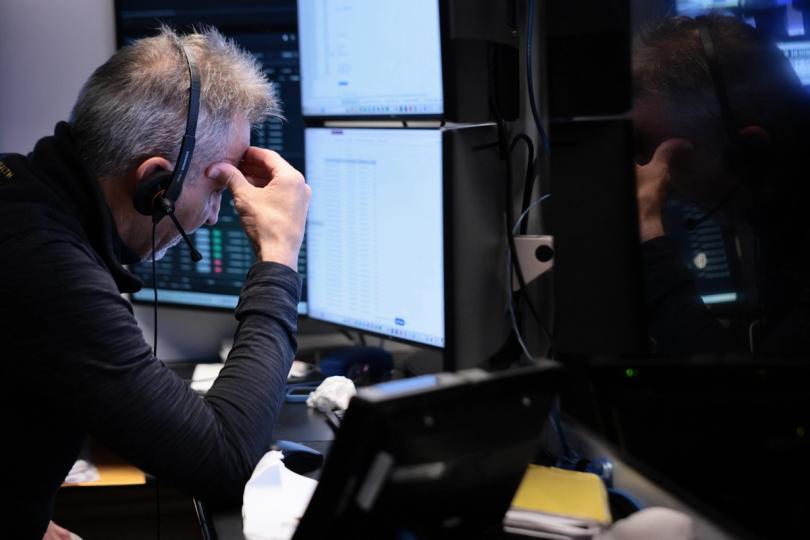
Charles Schwab's Jim Ferraioli argues bitcoin is struggling because it is no longer the market's hottest speculative trade. He says investors are chasing other momentum themes, while some ETF holders are simply taking profits near breakeven.
Bitcoin is like one game at the arcade, and right now people are lining up for other games instead. The article says investors are excited about AI, IPOs and gold, so fewer are rushing to buy bitcoin even after good news.
Analysis
The core argument
Jim Ferraioli of Charles Schwab says bitcoin's recent weakness is less about concerns over Michael Saylor's Strategy or fading institutional demand and more about losing its place as the market's main momentum trade. He says bitcoin has been in a bear market since October and that the story is simpler than many explanations suggest.
Where the money is going
According to Ferraioli, capital that once chased crypto gains is rotating into other hot narratives, especially gold, artificial-intelligence-related stocks and IPOs. He says crypto traders tend to follow momentum wherever it appears, and right now that momentum is outside crypto.
Why bitcoin is lagging
The article says bitcoin has benefited from positive news over the past year, including spot ETF approvals, institutional inflows and better regulatory clarity. Even so, the rally has not turned into the kind of broad speculative frenzy seen in earlier cycles. Ferraioli argues that some ETF investors are still recovering from volatility and may be selling once they get back to breakeven rather than adding exposure.
The Strategy sale angle
Ferraioli also downplays the importance of Strategy's sale of 32 bitcoin. He says the market's reaction has likely overstated that transaction's role in the selloff, and views it as a narrative layered on top of a bigger trend already in motion.
A broader competitive market
A key point in the story is that crypto-native venues now let traders speculate on more than just cryptocurrencies. Ferraioli points to platforms such as Hyperliquid, where investors can trade contracts tied to private companies, commodities and other non-crypto assets. That means bitcoin is now competing with a wider set of speculative opportunities than in past cycles.
Key points
- Charles Schwab's Jim Ferraioli says bitcoin's weakness is mainly a momentum problem, not a Michael Saylor problem.
- He argues capital is flowing into gold, AI stocks and IPOs instead of crypto.
- Bitcoin has had positive structural news, but the rally has not turned into a broad speculative frenzy.
- Ferraioli says some ETF investors may be selling once they get back to breakeven.
- Crypto trading platforms now let investors speculate on non-crypto assets too, increasing competition for capital.
If bitcoin regains the market's attention as the top momentum trade, fresh speculative money could return quickly. The article also notes that ETF access, institutional adoption and regulatory progress are still real supports for longer-term demand.
If capital keeps rotating into AI, IPOs and gold, bitcoin may stay stuck even with supportive headlines. The article also suggests some holders may continue selling when they get back to breakeven, which could cap rallies.