Blackouts, hyperinflation, dissent: Iran considers perilous prospect of peace
Iran faces peace with blackouts, soaring prices and renewed dissent still unresolved. Officials and commentators warn wartime unity may give way to deeper unrest.
Intelligence analysis by GPT-5.4 Mini
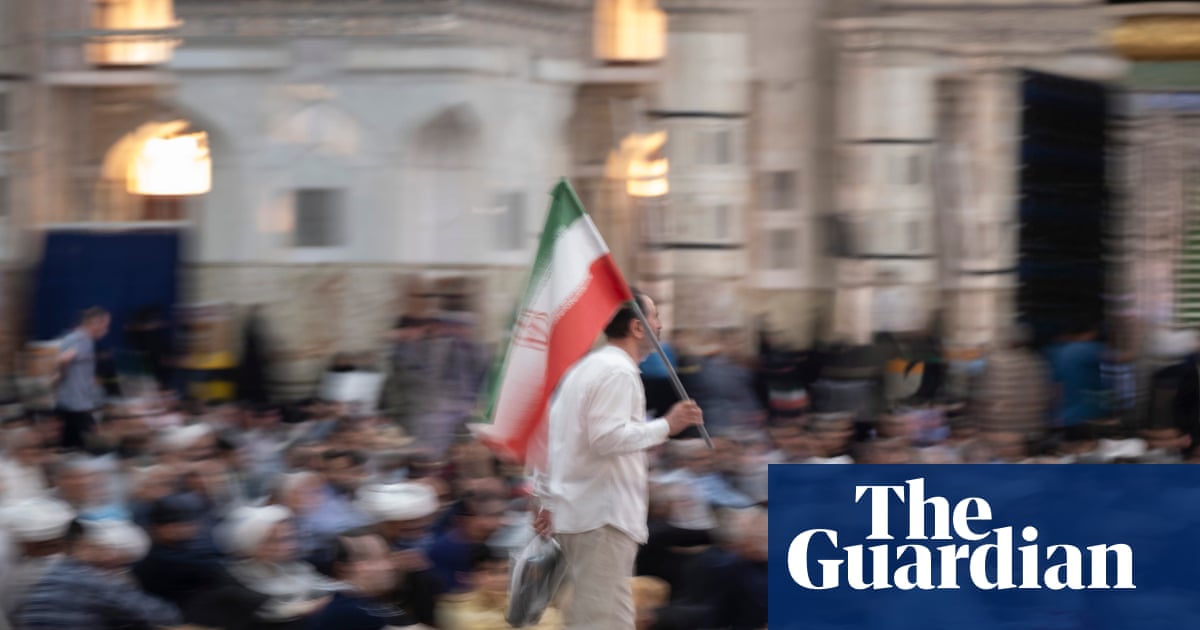
The Guardian says Iran is bracing for a fragile postwar period, with inflation, energy shortages and repression still biting. The question now is whether any sanctions relief or political opening can prevent wartime hardship from hardening into a longer crisis.
Iran is like a house that stayed calm during a storm, but now the storm may be ending and the broken windows, empty fridge and angry neighbors are all still there. The article says peace could bring even more problems if prices stay high and power cuts keep happening.
Analysis
What the article says
Iran is described as entering an uncertain transition from wartime mobilization to peace, but the underlying problems are still severe. The piece points to a 10% economic contraction, power cuts, hyperinflation and intensified pressure on dissent as the country tries to figure out what comes next.
Economic strain
The article argues that even if Donald Trump lifts parts of the sanctions regime, the relief would likely be limited compared with the damage already done. It cites estimates of about $270bn in losses across infrastructure, schools, energy, steelworks and housing. Food inflation is especially sharp: the Statistical Centre of Iran is said to have reported annual food inflation of 130% in May, with meat and chicken at 176%. Health experts warn that households cutting dairy could face malnutrition, osteoporosis and stunted growth.
Energy shortages are also worsening. The ministry of energy denied that controlled blackouts were imminent, but business leaders warned people to prepare for two hours of daily shutdowns, and incentives are being offered for lower power use.
Political fault lines
The article portrays the political debate as split between those favoring more openness and those pushing autonomy and hardline control. Internet censorship has started to ease, but that has already triggered backlash from hardliners. At the same time, repression appears to have deepened, with new espionage laws, asset seizures, executions and wider denunciations of dissidents.
The core warning is that wartime cohesion may not survive peace. Several commentators argue that once the external threat recedes, the internal divisions, economic grievances and anger over executions will become harder to contain.
Key points
- Iran is facing peace talks and postwar planning while still dealing with blackouts, inflation and economic damage.
- The article says sanctions relief, if it comes, would likely cover only a small share of the estimated $270bn in losses.
- Food inflation is extremely high, with major pressure on households’ ability to afford basics like meat, chicken and dairy.
- Officials are warning about power shortages, and some business leaders are preparing for daily shutdowns.
- The piece argues that wartime unity may fade quickly, exposing deeper political and social divisions.
If sanctions ease and international ties open even a little, Iran could get some access to money, tools and materials needed for rebuilding. That could help repair damage to energy, housing and industry while giving the government room to reduce some of the pressure on daily life.
If the blockade continues and no real economic opening follows the war, the article warns that destruction could become part of everyday life. In that case, inflation, shortages and repression could deepen public anger rather than calm it.