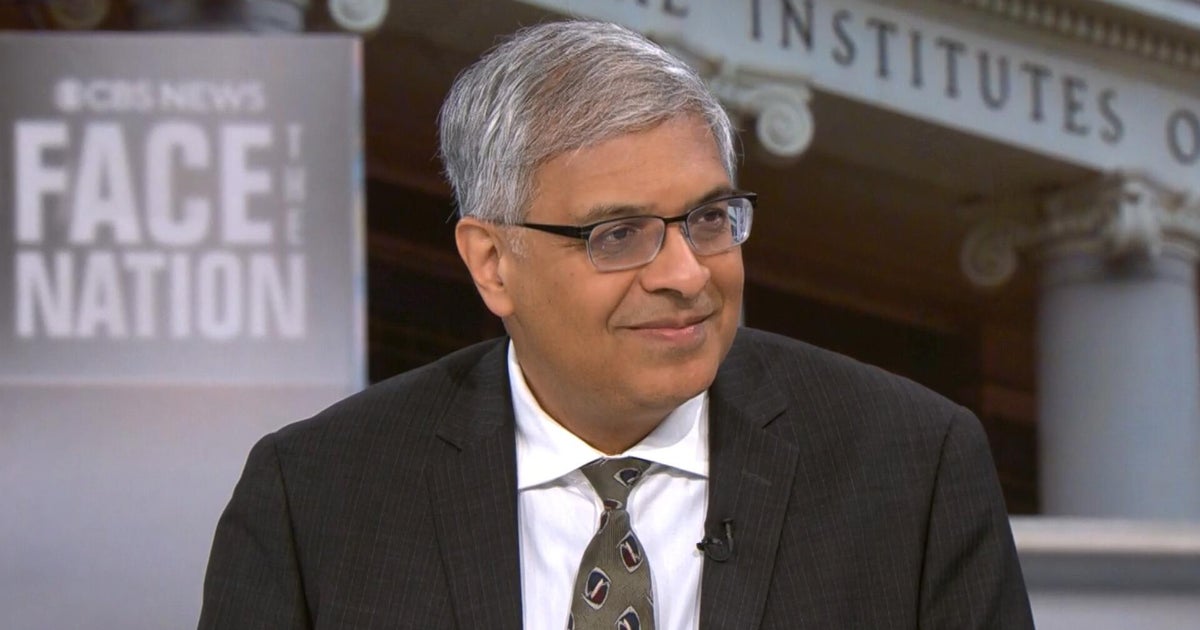
Blanche confirmed as attorney general and Israel rejects Trump’s Gaza plan: Weekend Rundown
Israel will not accept the 15-point plan for Gaza set out by President Donald Trump’s Board of Peace, Prime Minister Benjamin Netanyahu told a Cabinet meeting Sunday. The Senate confirms Todd Blanche as U.S. attorney general early Saturday in a mostly party-line vote.
Intelligence analysis by Llama
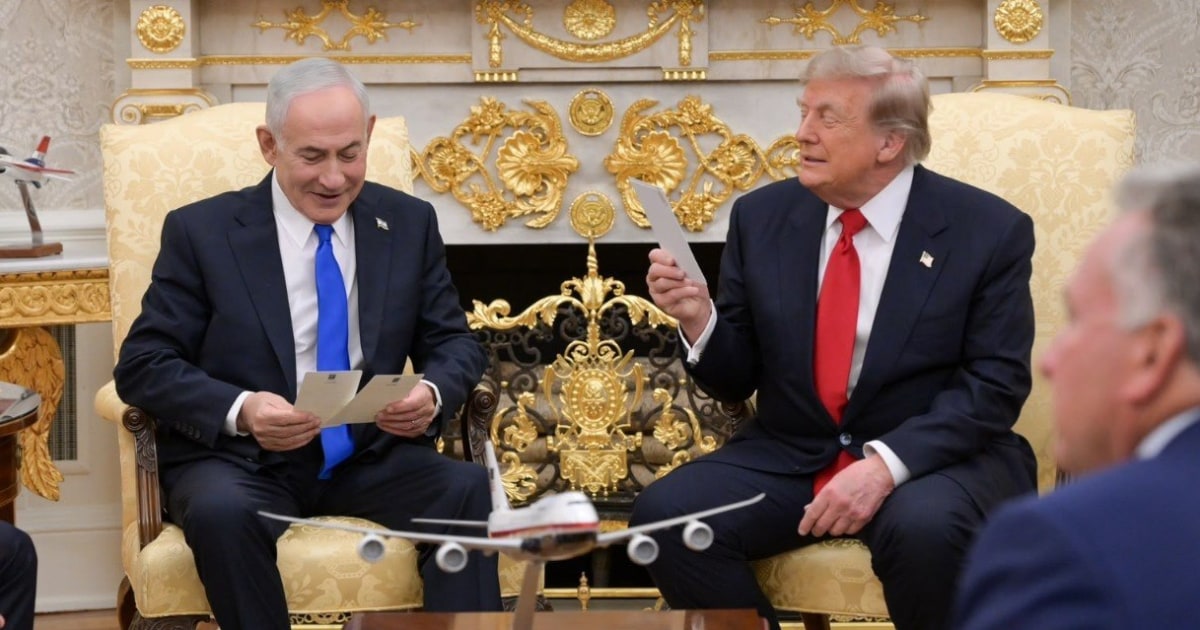
Israel rejects Trump's Gaza plan, and the Senate confirms Todd Blanche as U.S. attorney general in a mostly party-line vote.
Imagine you're playing a game where two teams, Israel and Hamas, have to work together to make peace. But one team, Hamas, says they won't disarm until the other team, Israel, leaves their territory first. This is like a big game of chicken, and it's hard to know who will blink first. Meanwhile, another team, Iran, is making demands to the other team, the U.S., to reopen a important waterway called the Strait of Hormuz. Iran wants the U.S. to leave the area, pay them money, and unfreeze their assets. It's a complicated situation, but basically, everyone is waiting for someone else to make a move.
Analysis
Blanche Confirmed as Attorney General: A Mostly Party-Line Vote
Todd Blanche was confirmed as U.S. attorney general early Saturday in a mostly party-line vote. The vote was held after 4 a.m. on Saturday, as a late-night session ran into the early hours ahead of a planned Senate recess. Blanche, Trump’s former personal attorney, was confirmed by a vote of 50-49, with only two Republican senators, Susan Collins of Maine and Lisa Murkowski of Alaska, voting against him. The vote was a significant victory for the Trump administration, which had been pushing for Blanche’s confirmation for weeks. However, the confirmation was not without controversy, as some critics argued that Blanche was not qualified for the position. Despite these concerns, Blanche was ultimately confirmed, and he will now serve as the top law enforcement official in the U.S. government.
Israel Rejects Trump’s Gaza Plan
Israel will not accept the 15-point plan for Gaza set out by President Donald Trump’s Board of Peace, Prime Minister Benjamin Netanyahu told a Cabinet meeting Sunday. The peace plan called for a phased withdrawal of Israel’s troops from Gaza alongside the disarmament of Hamas, but Netanyahu said that Israeli forces are not going anywhere until Hamas completely disarms first. Hamas had said last month that it would disarm, but only after Israel withdraws completely and stops all hostilities. The explicit rejection of the plan, frequently touted by Trump as a key foreign policy achievement, also comes after months of growing tensions between the White House and Israel’s leadership over Iran. The rejection of the plan is a significant blow to the Trump administration’s efforts to broker a peace deal between Israel and the Palestinians.
Iran Sets Out Steep Demands for Reopening Hormuz
Iran has set out a series of steep demands for the reopening of the Strait of Hormuz, including the withdrawal of U.S. naval forces, the payment of damages for the war, and the unfreezing of Iranian assets. The demands were made by Mohammad Bagher Zolghadr, the secretary of Iran’s Supreme National Security Council, who stated that Iran would not reopen the strait “until America corrects its behavior.” The statement, as carried by Iranian state media, also called for the U.S. to lift sanctions on Tehran and permanently end the conflict against Iran and its regional allies. The U.S. has yet to respond publicly to the list of conditions.
Key points
- Israel rejects Trump's Gaza plan
- Todd Blanche confirmed as U.S. attorney general
- Iran sets out steep demands for reopening Hormuz
- U.S. and Israel tensions over Iran continue to escalate
If the U.S. and Israel can find a way to work together to make peace, it could lead to a more stable region and a reduction in violence. Additionally, if the U.S. and Iran can find a way to resolve their differences, it could lead to a more stable and secure Middle East.
However, if the situation continues to escalate, it could lead to a full-blown war between Israel and Hamas, or between the U.S. and Iran. This would have devastating consequences for the region and the world.