Blood waters famous lemon trees in Sudan’s Bara
Scores of people were killed in Bara, Sudan, after the Rapid Support Forces (RSF) captured the town in October 2025. The RSF, a UAE-backed paramilitary force, has committed atrocities across Sudan, including massacres in Darfur. The SAF has now retaken control of Bara, an…
Intelligence analysis by Llama
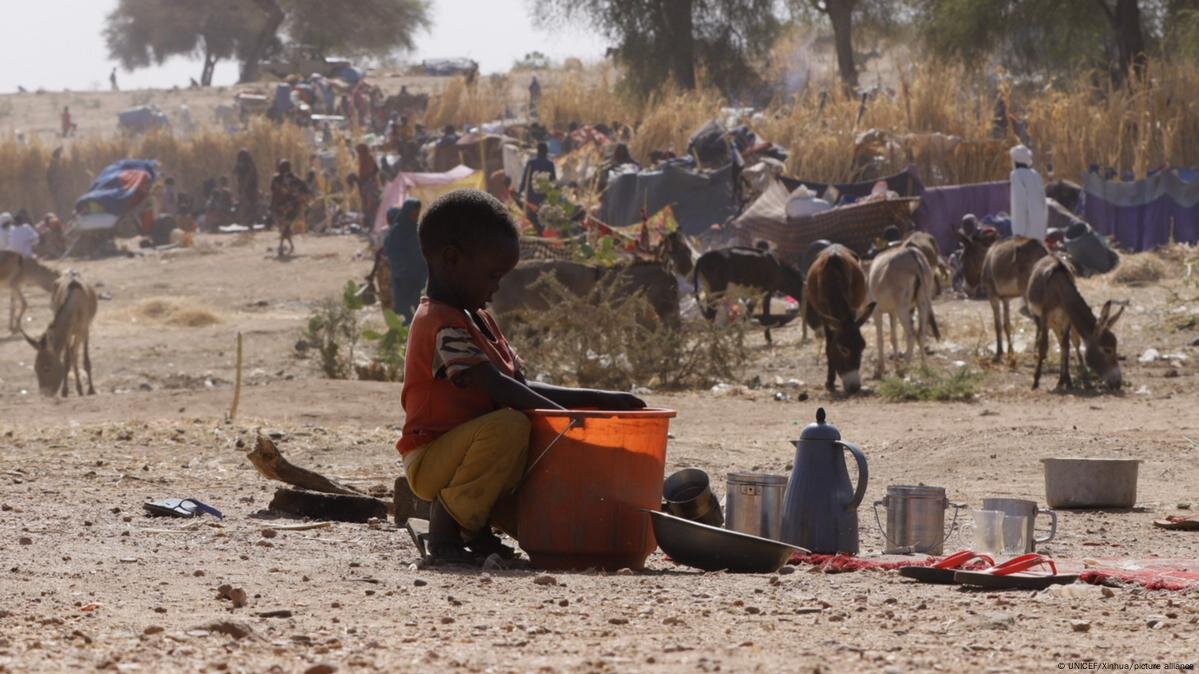
The town of Bara in Sudan has been devastated by the conflict between the Rapid Support Forces (RSF) and the Sudanese Armed Forces (SAF). The RSF has committed atrocities, including massacres, and the SAF has now retaken control of the town. Local authorities and NGOs are expected to begin removing the bodies soon.
Imagine a town in Sudan called Bara, where people used to grow lemon trees. But now, the town is filled with dead bodies and the smell of rotting flesh. This happened because of a war between two groups, the RSF and the SAF. The RSF has been very bad and has killed many people, but the SAF has now taken control of the town and is trying to clean up the mess.
Analysis
Blood-soaked streets of Bara
The town of Bara in Sudan's North Kordofan region has been ravaged by the conflict between the Rapid Support Forces (RSF) and the Sudanese Armed Forces (SAF). The RSF, a UAE-backed paramilitary force, has committed atrocities across Sudan, including massacres in Darfur. The situation in Bara is a stark reminder of the humanitarian crisis unfolding in the country.
In recent days, sources who gained access to Bara after the SAF and its allies retaken the town from the RSF described how corpses lay everywhere. The luckiest of Bara's dead were sitting in shallow graves or entombed in the relative privacy of their homes. Rotting flesh has replaced lemon blossom as Bara's signature scent.
The RSF and SAF fought ferociously for control of places such as Um Syala and Gabrat al-Sheikh, which surround Bara. Whoever controls these areas also controls the Export Road, a logistical artery that brings Kordofan's gold, gum Arabic, silica, and agricultural produce to the capital and beyond. The SAF has now managed to secure the road, and with it a supply line to el-Obeid, which has long been under siege by the RSF.
The SAF advance has shifted the war's balance of power in the army's favour, according to Godat Abdul Hadi, a senior member of the armed popular resistance in North Kordofan. 'This advance has given the SAF a more secure position and protection of el-Obied, opening the shortest route between Kordofan and the capital Khartoum. It basically means that el-Obied and Omdurman have become safer,' he said.
The situation in el-Obeid has improved significantly since the siege was lifted and the Export Road secured. Mohammed Abbas, a trader in el-Obeid's market, said life had become a lot easier since the siege was lifted and the supplies flowing to el-Obeid after a long time.
The heavy drone attacks have been decreased after the SAF seized Bara and other areas in Kordofan because these are the areas these air offensive operations are launching from, according to Abdul Hadi.
The international community must continue to pressure the RSF to cease its attacks and allow humanitarian aid to reach those in need. The situation in Sudan remains fragile, and the world must not turn a blind eye to the humanitarian crisis unfolding in the country.
Key points
- The town of Bara in Sudan has been devastated by the conflict between the RSF and the SAF.
- The RSF has committed atrocities, including massacres, in Sudan.
- The SAF has now retaken control of Bara, and local authorities and NGOs are expected to begin removing the bodies soon.
- The situation in el-Obeid has improved significantly since the siege was lifted and the Export Road secured.
- The heavy drone attacks have been decreased after the SAF seized Bara and other areas in Kordofan.
The retaking of Bara by the SAF is a significant development, and it may lead to a decrease in the number of drone attacks on el-Obeid and other areas. Additionally, the improvement in the situation in el-Obeid may lead to an increase in trade and economic activity in the region.
The situation in Sudan remains fragile, and the conflict between the RSF and the SAF may escalate further. The humanitarian crisis unfolding in the country may worsen, and the international community may not be able to provide adequate support to those in need.