BOJ chief flags inflation overshoot risk, stresses importance of 2% anchor
Bank of Japan Governor Kazuo Ueda warned of risks that underlying inflation could exceed the central bank's 2 per cent target, emphasizing the need to anchor price pressures around that level.
Intelligence analysis by Gemini 2.5 Flash
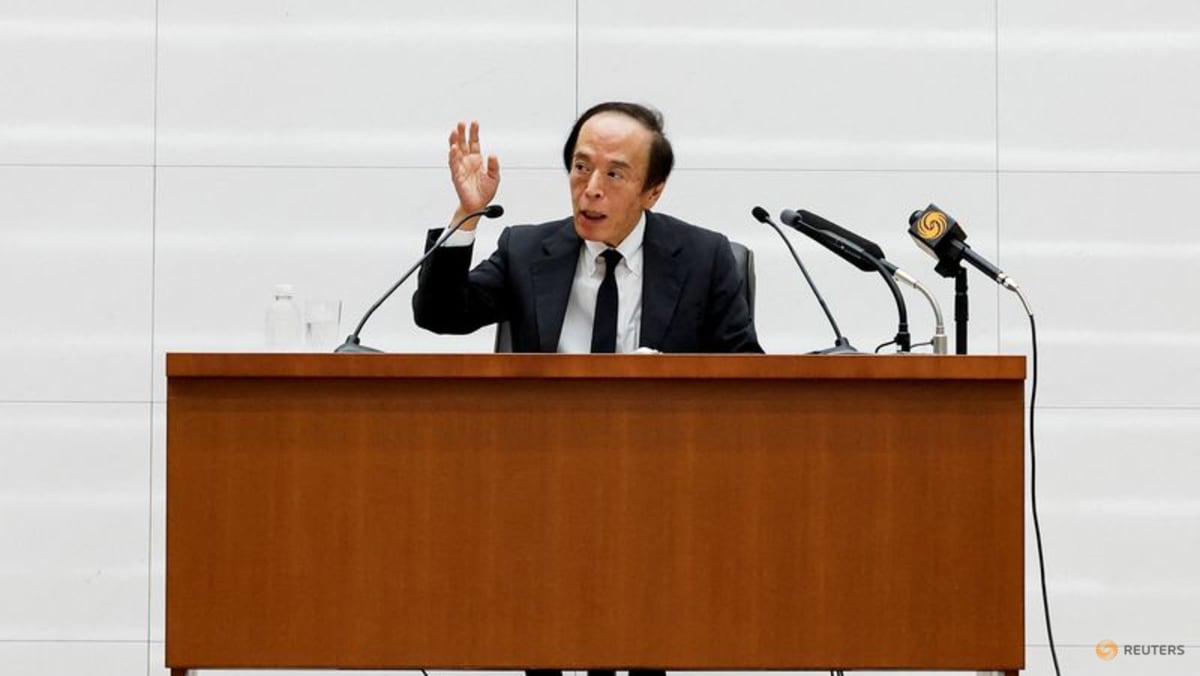
BOJ Governor Kazuo Ueda highlighted the increasing importance of maintaining the 2 per cent inflation target, citing global tensions, AI demand, and currency swings as factors that could push underlying inflation higher. His remarks precede a crucial policy meeting where new forecasts will be released, potentially signaling further monetary tightening.
Imagine the Bank of Japan is like a chef trying to keep the temperature of a special oven (Japan's economy) just right, at 2 degrees (2% inflation). The head chef, Mr. Ueda, is worried the oven might get too hot, so he's saying it's super important to keep it at 2 degrees. He's also looking at things like world events and new technologies that could make the oven hotter, and the bank just turned up the air conditioning a little bit last month to cool things down.
Analysis
Kazuo Ueda
Bank of Japan Governor Kazuo Ueda's recent remarks underscore a significant shift in the central bank's stance, moving away from its long-standing ultra-loose monetary policy. His emphasis on the risk of underlying inflation overshooting the 2 per cent target signals a proactive approach to price stability, a departure from previous decades marked by deflationary concerns. This pivot reflects a growing confidence within the BOJ that sustainable inflation is taking root, driven by factors such as robust wage growth and a tightening labor market.
Ueda's comments, delivered via Deputy Governor Shinichi Uchida, highlight the BOJ's vigilance against potential economic disruptions. The mention of Middle East tensions, AI-related demand, and currency swings as potential influences on Japan's economy and prices indicates a comprehensive assessment of both domestic and international factors. This broad perspective suggests that the BOJ is preparing for a complex economic landscape, where global events can quickly alter domestic inflationary trajectories.
2 Per Cent Target
The reiteration of the 2 per cent inflation target as an anchor is crucial for market participants and the broader Japanese economy. By stressing the importance of keeping price pressures anchored around this level, Ueda aims to manage inflation expectations and prevent a destabilizing overshoot. This commitment provides a clear policy signal, indicating that the BOJ is prepared to act further if inflationary pressures become entrenched above its desired level, thereby reinforcing its credibility in maintaining price stability.
The BOJ's recent decision to raise its key rate to a 31-year high last month was a landmark move, signaling an end to negative interest rates. This action was framed as entering a phase focused on preventing underlying inflation from overshooting its target, rather than merely achieving it. This subtle but important distinction suggests a more hawkish tilt, where the central bank is now more concerned with containing upward price momentum than stimulating it, setting the stage for potential further policy adjustments.
October 29 and 30
The upcoming BOJ policy meeting on October 29 and 30 will be a critical event for global financial markets. During this meeting, the central bank is expected to release fresh quarterly growth and inflation forecasts, which will be meticulously scrutinized by investors for clues regarding the timing and magnitude of future rate hikes. These forecasts will provide a clearer picture of the BOJ's assessment of the economic outlook and its conviction regarding the sustainability of inflation.
Market participants will be particularly keen to observe any revisions to the BOJ's inflation projections, especially for the core consumer price index. An upward revision could solidify expectations for further tightening, potentially leading to a stronger yen and shifts in bond yields. Conversely, if the forecasts suggest a more tempered inflationary path, it might temper expectations for immediate aggressive action, though the overall direction remains towards normalization.
Key points
- BOJ Governor Kazuo Ueda warned of the risk of underlying inflation overshooting the 2 per cent target.
- He stressed the growing importance of anchoring price pressures around the 2 per cent level.
- Factors like Middle East tensions, AI-related demand, and currency swings could affect Japan's economy and prices.
- The BOJ raised its key rate last month to a 31-year high, signaling a focus on preventing inflation overshoot.
- The upcoming October 29-30 policy meeting will release new growth and inflation forecasts, crucial for future rate hike clues.
If the Bank of Japan successfully manages to anchor inflation around its 2 per cent target without overshooting, it could lead to stable economic growth and predictable price levels in Japan. This stability would foster business confidence and consumer spending, potentially strengthening the Japanese economy and providing a positive example for other developed nations grappling with inflation.
Should underlying inflation significantly overshoot the 2 per cent target, the Bank of Japan might be forced to implement more aggressive monetary tightening measures. Such actions could stifle economic growth, increase borrowing costs for businesses and consumers, and potentially lead to a recession, impacting global markets and trade partners.