Ex-inmate in S'pore prison documentary sentenced to jail after reoffending
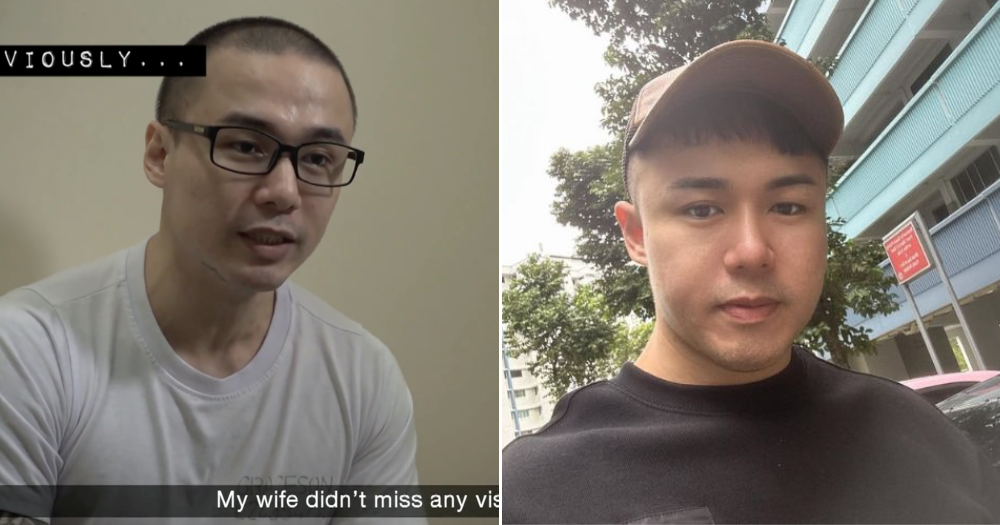
Graceson Ang, a former inmate featured in a CNA documentary, has been sentenced to three years and one month's jail, plus an additional 510 days, for multiple new offenses committed while on remission.
Intelligence analysis by Gemini 2.5 Flash
Ang, who gained public attention from the 'Inside Maximum Security' documentary, reoffended shortly after his release, committing immigration violations, importing stun guns, conspiring in duty-unpaid cigarette dealings, and repeatedly missing urine tests. His actions led to a significant new jail term, highlighting the challenges of rehabilitation and adherence to post-release superv…
Imagine a grown-up who was in a TV show about people in jail. After he got out, he promised to be good, but he broke many rules, like trying to leave the country without permission and bringing in illegal stuff. So, he has to go back to jail for a long time, even longer because he broke rules while he was still supposed to be on his best behavior.
Analysis
Graceson Ang's recent sentencing to a substantial jail term for reoffending casts a spotlight on the intricate and often difficult journey of rehabilitation for former inmates in Singapore. Ang, who gained public recognition through his appearance in CNA's 'Inside Maximum Security' documentary, had previously shared his personal struggles and fears about his family, resonating with many viewers. His candid portrayal offered a glimpse into the human aspect of incarceration and the hopes for a fresh start. However, his subsequent actions, which included a series of serious breaches of his remission order, demonstrate the profound difficulties some individuals face in adhering to the terms of their release and avoiding a return to criminal activities. This case serves as a stark reminder that public exposure and personal resolve, while important, do not guarantee successful reintegration without sustained support and strict adherence to legal obligations.
510 days
The additional 510 days added to Graceson Ang's sentence is a critical component of his punishment, directly stemming from his decision to reoffend while under a remission order. This legal provision ensures that individuals who commit new crimes during their remission period face enhanced penalties, reflecting the seriousness of breaching the trust placed in them by the justice system. Ang's remission period, from November 19, 2022, to January 19, 2025, was a window during which he was expected to demonstrate good behavior and compliance. His failure to do so, particularly by engaging in activities such as unauthorized travel, importing prohibited items, and involvement in contraband, triggered this additional punitive measure. The imposition of these extra days underscores the Singaporean legal framework's commitment to holding ex-offenders accountable for their actions, especially when they violate the conditions designed to facilitate their rehabilitation and protect public safety.
This aspect of the sentencing highlights the dual purpose of remission: to incentivize good behavior and to provide a structured period for reintegration, but also to impose clear consequences for non-compliance. The Deputy Public Prosecutor's argument that Ang's reoffending pointed to weak prospects of rehabilitation was likely influenced by the timing and nature of his new crimes, some occurring just days after leaving a halfway house. The additional 510 days serves as a deterrent, signaling that the justice system takes breaches of remission very seriously and will impose significant penalties to reflect the gravity of such violations.
Woodlands Checkpoint
Woodlands Checkpoint played a recurring and significant role in Graceson Ang's recent criminal activities and eventual apprehension. His initial unauthorized departure from Singapore to Malaysia in November 2022, just four days after leaving a halfway house and while under compulsory supervision, was a direct violation of his conditions. This act of leaving the country without approval, followed by his return a day later, demonstrated an early disregard for the terms of his release. The checkpoint became a focal point again when a parcel containing mini LED flashlight stun guns, which Ang had imported, was intercepted at SingPost Centre after passing through an X-ray machine, indicating a deliberate attempt to bring prohibited items into the country.
Ultimately, Ang's journey came full circle at Woodlands Checkpoint on June 17, 2025, when he was arrested after being deported from Malaysia. This final incident at the checkpoint underscores the persistent nature of his attempts to circumvent regulations and his eventual capture due to international cooperation. The repeated involvement of this key border crossing in his offenses highlights the challenges authorities face in monitoring individuals under supervision and the critical role of border security in preventing illicit activities. His actions at and around Woodlands Checkpoint illustrate a pattern of non-compliance that ultimately led to his re-incarceration.
Key points
- Graceson Ang, 41, a former inmate featured in CNA's 'Inside Maximum Security' documentary, has been sentenced to jail for reoffending.
- He received three years and one month's jail, plus an additional 510 days for committing new offenses while on remission.
- His new crimes include failing to present his passport, making a false statement for a passport application, importing stun guns, and conspiring to deliver duty-unpaid cigarettes.
- Ang also failed to turn up for over 100 required urine tests and left Singapore for Malaysia without approval shortly after his release.
- He was arrested at Woodlands Checkpoint in June 2025 after being deported from Malaysia.
This case suggests significant challenges in the rehabilitation process for some ex-offenders, particularly those with a history of serious crimes. Ang's rapid reoffending after release, despite public exposure and support, indicates that current supervision and reintegration programs may not be sufficient for all individuals, potentially leading to higher recidivism rates and continued strain on the justice system.