BP puts North Sea business up for sale
BP is selling its North Sea business, ending 60 years of production in the region, as part of a portfolio review. The move could fetch £2bn and impacts 1,100 employees, amidst growing political debate over North Sea oil and gas.
Intelligence analysis by Gemini 2.5 Flash
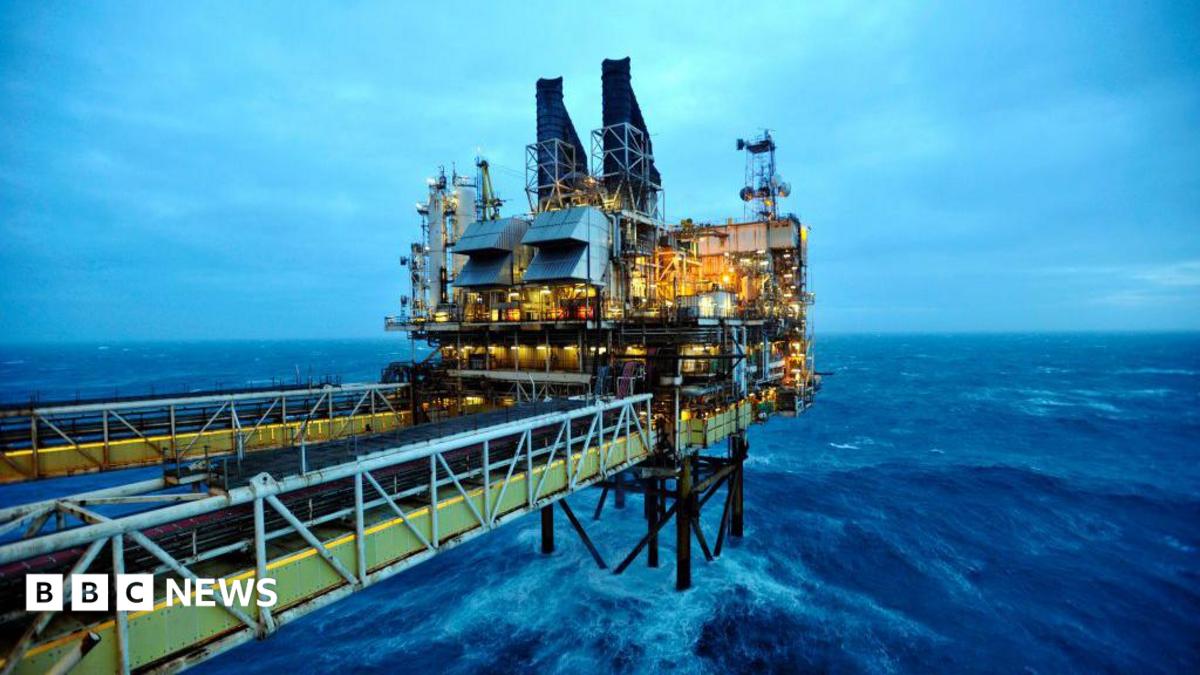
Oil giant BP has announced its intention to sell its North Sea operations, a decision stemming from a strategic review aimed at streamlining its global portfolio. This move, which could generate £2bn, marks a significant shift for BP, which has been active in the region for six decades, and comes amid intense political discussion in the UK regarding the future of North Sea oil and gas…
Imagine a big company that digs for oil, called BP, is selling off its old toy box in the North Sea where it's been playing for 60 years. They want to focus on newer, shinier toys elsewhere. This makes some people happy because they want less oil digging, but others worry about jobs and where our energy will come from, especially since the price of oil has gone up because of a war far away.
Analysis
BP's Strategic Re-evaluation and Divestment
BP's decision to put its North Sea business up for sale marks a significant strategic pivot for the energy giant, concluding 60 years of production in the region. This move is a direct outcome of an internal review aimed at streamlining the group's operations and focusing capital on what BP chief executive Meg O'Neill describes as "highest-value opportunities." Despite O'Neill's earlier comments about the North Sea's "untapped potential," the company now believes these assets would be better positioned under different ownership.
The North Sea operations, comprising five production hubs and employing approximately 1,100 people, contributed 117,000 barrels of oil equivalent per day in 2025. While substantial, this represents only a small fraction of BP's global daily production of 2.3 million barrels. The potential sale, which could bring in an estimated £2bn, underscores BP's commitment to reshaping its portfolio in line with evolving energy markets and its broader transition strategy, even as its global headquarters remain in the UK.
The North Sea's Political and Economic Crossroads
The announcement comes at a time when North Sea oil and gas has become a highly contentious political issue in the UK. Prime Minister Andy Burnham has indicated a "pragmatic approach" to the sector, acknowledging the resource's importance when people are struggling, a stance that contrasts with Labour's 2024 manifesto pledge to halt new drilling licenses. This shift reflects growing calls for increased drilling from various political factions, including the Conservatives, Reform UK, and even US President Donald Trump, particularly as global oil prices have risen due to the Iran war.
However, the debate is deeply divisive, even within the Labour party, with some advocating for a liberal approach to protect jobs and manage energy costs, while others prioritize renewable energy for long-term security and climate action. The existing Energy Profits Levy, or windfall tax, has also drawn criticism from oil and gas companies, who argue it diminishes the North Sea's attractiveness for investment, further complicating the economic landscape for the region.
Implications for Employment and Regional Energy Security
The sale of BP's North Sea business carries significant implications for the 1,100 employees directly affected and for the broader energy sector in Scotland. Scottish government energy minister Stephen Gethins expressed concern over the uncertainty for workers, emphasizing the reliance of Scotland's prosperity and energy security on North Sea production and its skilled workforce. He also criticized reserved policies like the Energy Profits Levy for accelerating the decline of the sector before renewables are fully capable of meeting energy demands.
Politicians from other parties, such as the Scottish Conservatives and Reform MSPs, have echoed these concerns, calling for the approval of new offshore sites and the scrapping of the windfall tax to safeguard jobs and economic reality. The Scottish Greens, however, argue that most North Sea oil is exported, doing little for UK energy security. This complex interplay of corporate strategy, national energy policy, and regional economic concerns highlights the multifaceted challenges facing the North Sea as it navigates its next chapter.
Key points
- BP is selling its North Sea business after 60 years of operation in the region.
- The decision follows a strategic review to slim down the oil giant's portfolio.
- The North Sea business employs about 1,100 people and produced 117,000 barrels of oil equivalent per day in 2025.
- The sale could potentially generate £2bn for BP, with previous talks with Ithaca Energy falling through.
- The move comes amidst a significant political debate in the UK regarding the future of North Sea oil and gas drilling and the impact of the Energy Profits Levy.
The sale could allow BP to reallocate capital to more profitable or greener ventures, aligning with its long-term energy transition goals. For the North Sea assets, a new owner might be better positioned to invest and maximize their potential, ensuring continued production and employment under a focused strategy.
The sale creates uncertainty for the 1,100 employees and could signal a broader decline in North Sea investment, potentially impacting energy security and local economies. Political debates and the existing windfall tax could deter potential buyers, leading to a less favorable outcome for the assets and workforce.