FTSE 100 on track for best month since first US attacks on Iran five months ago – business live
The FTSE 100 is set for its best monthly performance since February, defying geopolitical turmoil and rising UK petrol prices, while other major global markets also show mixed movements.
Intelligence analysis by Gemini 2.5 Flash
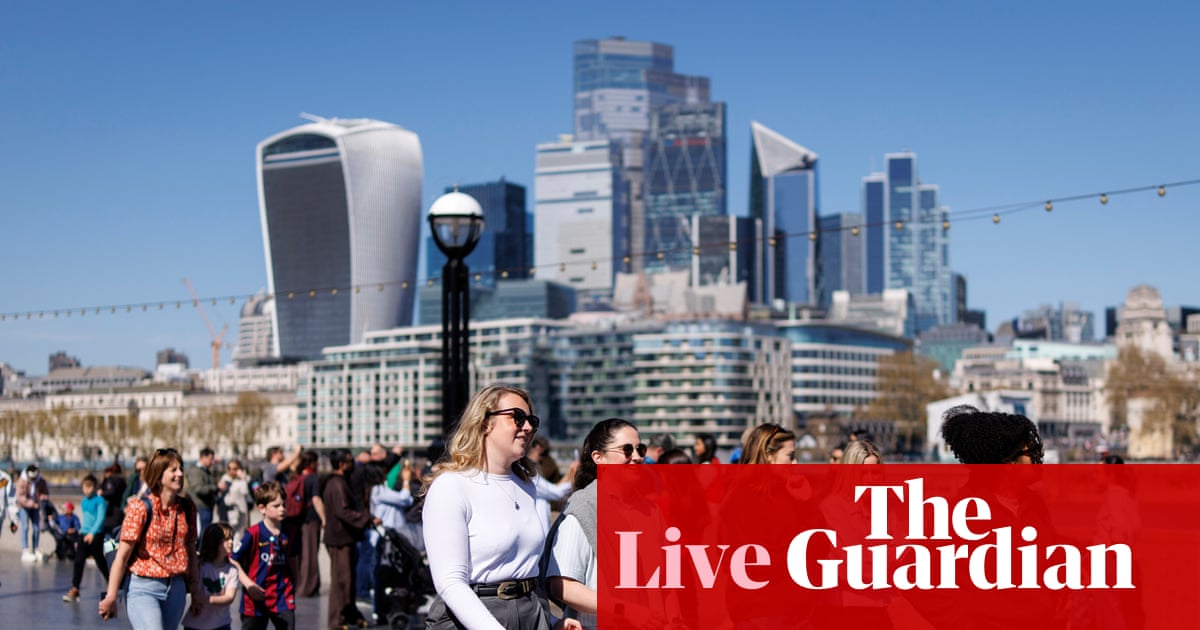
London's FTSE 100 index has shown surprising resilience, hitting new record highs and poised for its best month in five, despite ongoing Middle East conflict driving up fuel costs and significant corporate challenges like job cuts at Morrisons and Sainsbury's selling Argos.
Imagine a big scoreboard for all the important companies in London, called the FTSE 100. This month, that scoreboard is showing really good numbers, like a team winning lots of games, even though there's a war far away making petrol expensive and some big shops are having a tough time. It's like the big companies are doing well despite some stormy weather outside.
Analysis
FTSE 100's Unexpected Ascent
London's benchmark FTSE 100 index has demonstrated remarkable resilience, poised to record its best monthly performance since February, despite a backdrop of significant geopolitical instability and domestic economic challenges. The index reached a new record high of 10,989.45 earlier in the day, and is on track to finish July up by nearly 4%, recovering substantially from a 6.7% drop in March following US-Israeli attacks on Iran. This rebound suggests a degree of investor confidence or perhaps a 'buy the dip' mentality, allowing the market to shrug off immediate negative headlines.
This strong performance contrasts sharply with the turmoil of March, when the index dipped below 9,700 points. The current upward trajectory, even with a slight dip towards the end of the trading day, indicates a robust underlying sentiment among investors in London's biggest companies. This resilience is particularly noteworthy given the broader economic pressures, such as rising inflation and the ongoing impact of the Iran conflict on global energy prices.
Corporate Restructuring and Economic Headwinds
While the FTSE 100 soared, several major UK companies revealed significant struggles and strategic shifts. Morrisons, the supermarket giant, reported widened losses of £926 million and announced 5,000 job cuts, grappling with heavy debts and intense competition in the retail sector. Similarly, Sainsbury's is divesting its Argos retail chain for £120 million, a decade after its £1 billion acquisition, to refocus on its core food business. These moves underscore the challenging operating environment for traditional retailers.
Adding to the economic pressures, UK petrol prices have hit their highest level this year, reaching around £1.60 per litre, primarily driven by the Iran war pushing up fuel costs. This directly impacts household budgets and corporate expenses, as evidenced by British Airways owner's profits falling due to increased fuel costs. Even the housing market, typically buoyant in July, saw dampened growth as prospective buyers remained cautious about interest rates amidst the conflict.
Global Market Divergence and Geopolitical Shadows
The global market landscape presented a mixed picture. While Wall Street's major indices, including the S&P 500, Nasdaq, and Dow Jones, also showed gains at the opening bell, driven partly by strong tech earnings like Amazon's 11% jump, other tech giants faced headwinds. Apple's share price, for instance, was down 8% pre-market due to supply chain problems impacting its forecasts. In Asia, Korea's stock market notably rose a record 18%, indicating regional specific dynamics.
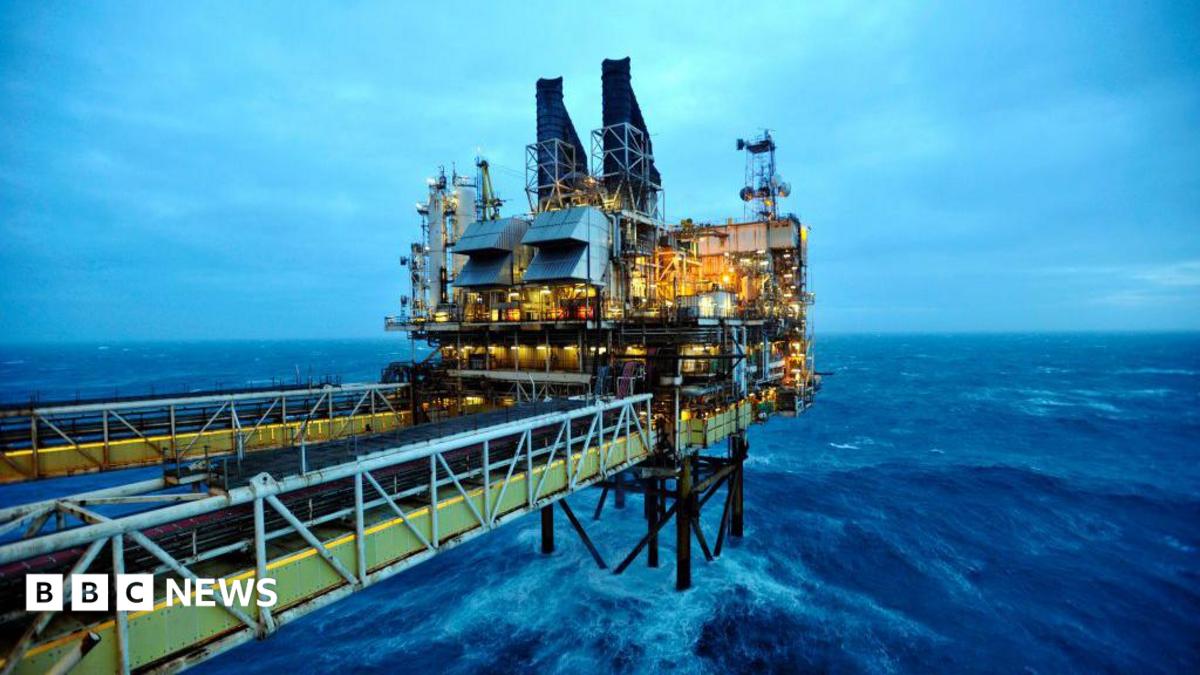
BP's decision to sell its North Sea oil and gas business after six decades of production signals a strategic shift for the energy giant, potentially influenced by long-term energy transition goals or current market conditions. The persistent shadow of the Iran war continues to be a significant factor, not only in fuel prices but also in broader economic uncertainty, influencing consumer confidence and investment decisions across various sectors globally.
Key points
- FTSE 100 is on track for its best monthly gain since February, recovering from a March dip.
- UK petrol prices have reached their highest level this year, around £1.60 per litre, due to the Iran war.
- Morrisons announced 5,000 job cuts and widened losses to £926m amid debt and competition.
- Sainsbury's is selling Argos for £120m to focus on its core food business.
- BP plans to sell its North Sea oil and gas business after six decades.
- Wall Street indices opened higher, boosted by strong Amazon earnings, but Apple's forecasts were hit by supply chain issues.
The strong performance of the FTSE 100 and other major indices suggests a surprising resilience in investor confidence, potentially indicating that markets are looking past immediate geopolitical tensions. Strong earnings from tech giants like Amazon could continue to fuel market growth, providing a positive outlook for the broader economy.
The ongoing Iran war continues to exert significant pressure on fuel costs, directly impacting household finances and corporate profitability, as seen with British Airways' owner. Corporate struggles and job cuts in the retail sector, like Morrisons and Sainsbury's, highlight underlying economic vulnerabilities and intense competition.
Market signals
- FTSE 100 The article states the FTSE 100 is on track for its best month since February, gaining nearly 4%.
- OIL The Iran war is pushing up fuel costs, leading to the highest UK petrol prices this year.
- AMZN Amazon's share price jumped 11% in pre-market trading due to above-expectations earnings and strong cloud growth.
- AAPL Apple's share price is down 8% pre-market after its forecasts were hit by supply chain problems.
AI-generated analysis of potential market relevance. Not financial advice.