Nuclear submarine investment will protect Britain and boost jobs, PM says
Prime Minister Andy Burnham says ongoing investment in nuclear submarines will protect Britain for decades to come and support 47,000 jobs and apprenticeships.
Intelligence analysis by Llama
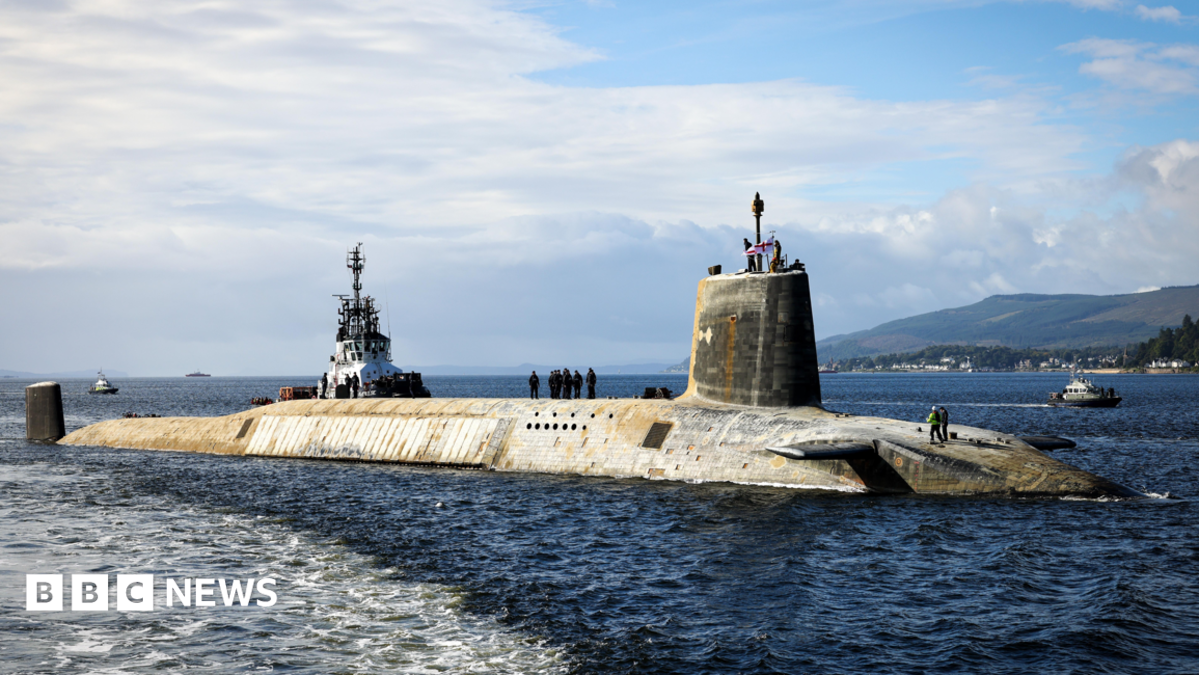
The UK's nuclear submarine programme will receive £8.4bn to support progress towards getting new vessels ready for service. The project will create 47,000 jobs and apprenticeships, with the government aiming to meet a NATO target of spending 3.5% of national income by 2035.
Imagine you're building a really big, really powerful machine that can protect Britain for a long time. That's what the UK is doing with its nuclear submarines. The government is investing £8.4bn to make sure these machines are ready for service and can create thousands of jobs and apprenticeships. It's like building a really cool, really important machine that will keep Britain safe and help the economy.
Analysis
A £60B Vote of Confidence
The UK's nuclear submarine programme has been a long-standing commitment to national security, with the current Vanguard-class vessels due to be retired in the 2030s. The Dreadnought-class submarines, currently under construction, will replace them and provide a nuclear deterrent for decades to come. The £8.4bn investment announced by Prime Minister Andy Burnham will support the development of these new vessels and create thousands of jobs and apprenticeships. This investment is a vote of confidence in the UK's defence industry and its ability to deliver complex projects. It also highlights the importance of defence spending in supporting the economy and creating employment opportunities.
Why the Dreadnoughts Matter
The Dreadnought-class submarines are not just a symbol of Britain's nuclear deterrent, but also a key component of its national security. They will provide a credible threat to potential adversaries and ensure the UK's ability to project power globally. The investment in these vessels is a testament to the UK's commitment to its defence capabilities and its willingness to invest in the technologies and skills needed to maintain them. The Dreadnoughts will also play a critical role in supporting the UK's NATO allies and maintaining regional stability.
The Road Ahead
The £8.4bn investment announced by Prime Minister Burnham is just the beginning of a long-term commitment to the UK's nuclear submarine programme. The government has set out a clear plan to meet the NATO target of spending 3.5% of national income by 2035, which will require significant investment in defence capabilities. The UK's defence industry will play a critical role in delivering this plan, and the government must work closely with industry partners to ensure that the necessary resources and expertise are in place to support the programme.
Key points
- The UK's nuclear submarine programme will receive £8.4bn to support progress towards getting new vessels ready for service.
- The programme will create 47,000 jobs and apprenticeships, with the government aiming to meet a NATO target of spending 3.5% of national income by 2035.
- The Dreadnought-class submarines will replace the UK's current Vanguard-class vessels and provide a nuclear deterrent for decades to come.
- The investment in the programme is a vote of confidence in the UK's defence industry and its ability to deliver complex projects.
If the UK's nuclear submarine programme is successful, it could lead to significant economic benefits, including the creation of thousands of jobs and apprenticeships. The programme could also help to boost the UK's defence industry and its ability to deliver complex projects.
However, the programme is not without risks. The high cost of the submarines and the complexity of the project could lead to delays and cost overruns. Additionally, the programme's reliance on a single technology could make it vulnerable to cyber attacks and other forms of disruption.