Oil prices fall as Trump pauses Iran attacks, China restarts fuel exports – business live
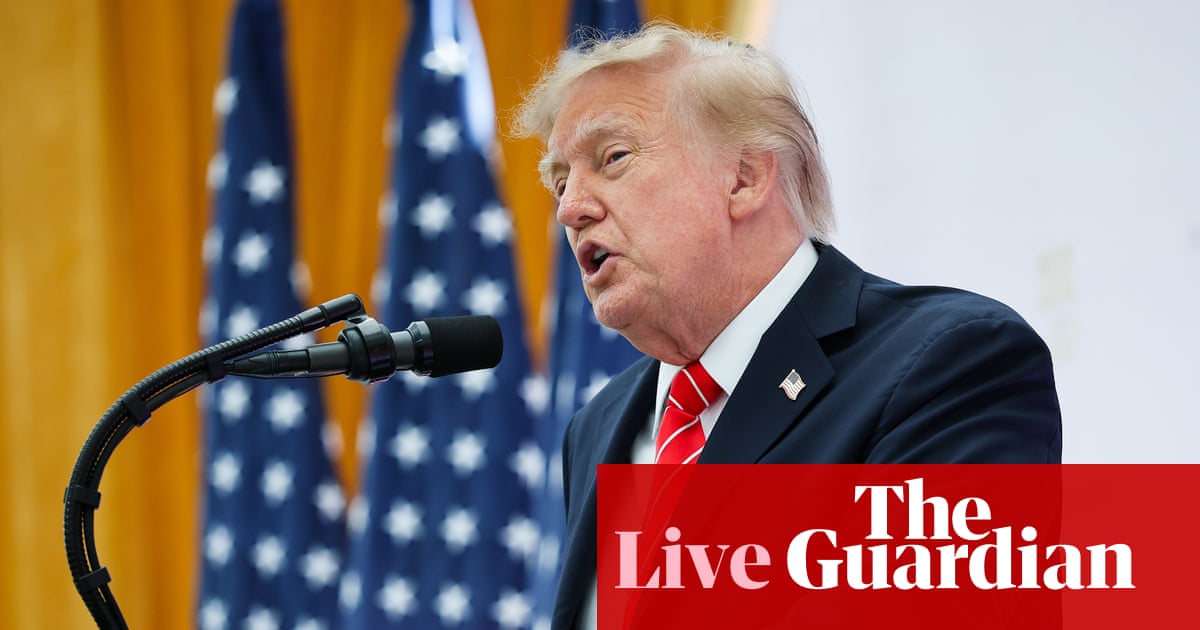
Oil prices, including Brent crude, fell after US President Donald Trump pledged to pause attacks on Iran ahead of midterm elections, and China resumed fuel exports.
Intelligence analysis by Gemini 2.5 Flash
Global oil prices experienced a decline following a de-escalation of geopolitical tensions in the Middle East, driven by President Trump's commitment to halt military action against Iran. Concurrently, China's decision to restart fuel exports further contributed to increased supply, easing market concerns and pushing crude benchmarks lower. The broader business live blog also covered …
Imagine the world needs a special kind of juice called 'oil' to make cars go and factories run. When there's a worry that the juice might be hard to get, like if two countries are arguing, the price goes up because everyone wants to make sure they have enough. But this week, a big leader said he wouldn't fight, and another big country started selling more juice, so everyone felt less worried. This made the price of 'oil juice' go down, which is good because it means things like gas for cars might get a little cheaper.
Analysis
Donald Trump
President Donald Trump's announcement to pause attacks on Iran, made ahead of the upcoming US midterm elections in November, served as a significant catalyst for the decline in oil prices. This statement signaled a temporary de-escalation of tensions in a critical oil-producing region, alleviating market fears of supply disruptions. Investors often react to geopolitical stability by reducing their demand for safe-haven assets and adjusting expectations for commodity prices, leading to an immediate downward pressure on crude benchmarks.
The decision by the US President is likely viewed by markets as a strategic move to avoid potential economic instability or public backlash that could arise from military conflict during an election period. Such political considerations frequently influence foreign policy decisions, which in turn have profound effects on global commodity markets. The perceived reduction in risk premium associated with Middle Eastern oil supplies directly contributed to the observed price drop.
China
Adding to the downward pressure on oil prices was China's decision to restart its fuel exports. As a major global consumer and refiner, China's export policies can significantly impact the international supply-demand balance for petroleum products. An increase in Chinese fuel exports means more refined products are available on the global market, which can indirectly reduce demand for crude oil or signal an oversupply in the broader energy complex.
This move by China suggests a potential shift in its domestic energy strategy or a response to internal market conditions, such as ample refining capacity or slowing domestic demand. Regardless of the specific internal drivers, the external effect is an expansion of global supply, which naturally contributes to lower prices. The combined effect of reduced geopolitical risk and increased supply from a major economic player created a strong bearish signal for the oil market.
Christian Bittar
The UK’s Court of Appeal overturned the conviction of Christian Bittar, a former Deutsche Bank trader who had previously pleaded guilty to conspiring to rig benchmark interest rates. This ruling marks a significant unraveling of one of the UK Serious Fraud Office’s (SFO) most high-profile prosecutions, following similar reversals for five former Barclays traders earlier in the week. The decision, despite Bittar's prior guilty plea, raises questions about the SFO's investigative and prosecutorial methods in complex financial fraud cases.
The overturning of these convictions could have broader implications for the perception of regulatory enforcement in the financial sector. It highlights the challenges in prosecuting intricate financial crimes like rate rigging, even when defendants have admitted guilt. This development may influence future legal strategies for both prosecutors and defendants in similar cases, potentially making it harder to secure convictions in high-stakes financial misconduct trials and impacting the SFO's credibility.
Key points
- Oil prices, including Brent crude, fell after President Trump pledged to pause attacks on Iran.
- China's decision to restart fuel exports contributed to the decline in global oil prices.
- The UK Court of Appeal overturned the rate rigging conviction of former Deutsche Bank trader Christian Bittar.
- The European Union is granting temporary trade preferences to Armenia following Russian restrictions.
- Snowflake denied that a hack at Asos was caused by a vulnerability in its data storage platform.
The pause in US-Iran tensions and increased fuel exports from China could lead to a more stable global oil supply, potentially resulting in lower energy costs for consumers and businesses worldwide. This stability could foster greater economic predictability and reduce inflationary pressures, supporting global growth.
The current de-escalation of tensions might be temporary, with the potential for renewed conflict after the US midterm elections, which could quickly reverse the fall in oil prices. Furthermore, China's increased exports could signal underlying weaknesses in its domestic demand, hinting at broader economic slowdowns that could impact global trade.
Market signals
- OIL Oil prices fell as President Trump paused Iran attacks and China restarted fuel exports, increasing supply and reducing geopolitical risk.
AI-generated analysis of potential market relevance. Not financial advice.