The new Darth Vader: how tech execs became the film villains of our age
Recent films like 'The Social Reckoning' and 'Artificial' portray tech CEOs as modern-day villains, reflecting a significant shift in public perception from earlier, more sympathetic depictions.
Intelligence analysis by Gemini 2.5 Flash
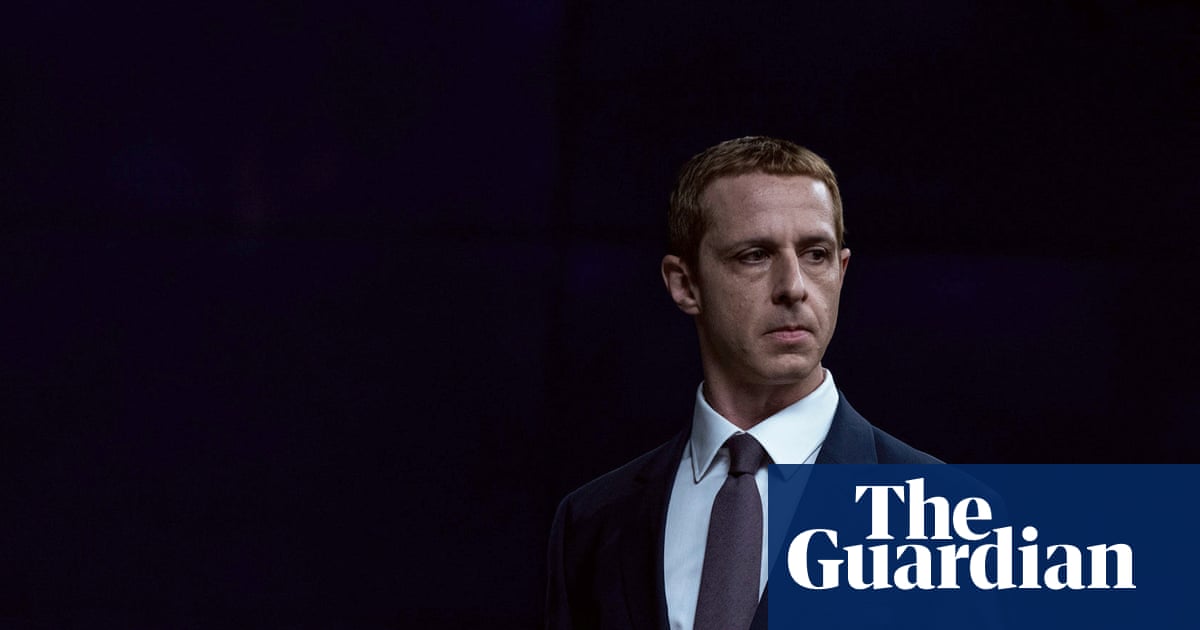
Public opinion has turned sharply against billionaire tech executives, with new films depicting figures like Mark Zuckerberg and Sam Altman in a deeply unflattering light. This cinematic shift mirrors growing societal distrust and regulatory pressure on the tech industry, contrasting starkly with the 'plucky upstart' narrative of a decade ago.
Imagine a superhero movie where the bad guy used to be a cool inventor, but now he's a super-rich boss who makes apps that cause problems for everyone. That's what's happening in new movies about tech company leaders like Mark Zuckerberg. People used to think they were just smart kids building cool stuff, but now many see them as powerful villains because their companies have grown so big and caused issues like privacy worries or making kids sad online.
Analysis
The cinematic portrayal of tech executives as antagonists marks a profound cultural and economic shift, moving from celebrating innovation to scrutinizing corporate power. This evolution in narrative reflects a broader societal reckoning with the influence and ethical implications of large technology companies. The article highlights how films now underscore the perceived villainy of these leaders, a stark contrast to earlier, more nuanced depictions.
Mark Zuckerberg
Mark Zuckerberg's portrayal in 'The Social Reckoning' by Jeremy Strong is a key example of this shift. Unlike Jesse Eisenberg's earlier depiction in 'The Social Network,' which still carried an element of the 'plucky upstart,' Strong's performance embodies a 'monolithic, corporate bad guy.' This characterization aligns with former Meta employees' descriptions of Zuckerberg as 'unemotional' and reflects a public perception hardened by events like the Cambridge Analytica scandal and the Haugen leaks. The film's narrative suggests that Meta, under Zuckerberg's leadership, is on the 'wrong side' of the debate regarding social media's impact.
The Social Reckoning
'The Social Reckoning' serves as a cultural barometer, capturing the widespread disquiet surrounding social media's influence. The film's release coincides with a period of intense regulatory scrutiny and public backlash, particularly following the inquest into British teenager Molly Russell's death. The inclusion of an advert for an online safety charity, featuring Molly's father stating, 'Instagram helped kill my daughter,' directly links the film's themes to real-world tragedies and the urgent need for accountability. This cinematic narrative reinforces the idea that the 'debate is over' regarding the negative impacts of platforms like Meta's.
Molly Russell
The tragic case of Molly Russell is presented as a turning point, solidifying the public's negative perception of social media companies and their leaders. Her death, linked to harmful content on Instagram, made regulation 'inevitable' according to the article. This real-world consequence underscores the gravity of the issues depicted in films like 'The Social Reckoning' and 'Artificial.' The lack of trust in Meta's statements regarding platform safety, as highlighted by the regulatory, legal, and political backlash, demonstrates how individual tragedies can catalyze significant shifts in public opinion and policy towards powerful tech entities.
Key points
- Public perception of tech executives has shifted from 'plucky upstarts' to 'corporate villains,' as depicted in new films.
- Films like 'The Social Reckoning' portray Mark Zuckerberg in a deeply unflattering light, reflecting growing societal distrust.
- The Cambridge Analytica scandal and the Haugen leaks significantly contributed to the negative public sentiment towards Facebook/Meta.
- The death of British teenager Molly Russell, linked to harmful content on Instagram, made social media regulation 'inevitable'.
- Upcoming films like 'Artificial' (about OpenAI's Sam Altman) and a documentary about Elon Musk continue this trend of critical portrayals.
The heightened public scrutiny and critical cinematic portrayals could pressure tech companies to prioritize user safety and ethical practices, potentially leading to more responsible innovation and stronger regulatory frameworks globally. This increased accountability might foster greater public trust in the long run, encouraging a healthier digital ecosystem.
The overwhelmingly negative portrayal could lead to an environment of excessive regulation that stifles innovation and growth within the tech sector, potentially hindering the development of beneficial technologies. Furthermore, persistent public distrust might make it harder for tech companies to engage constructively with users and policymakers to address complex societal challenges.