Brandenburg's Minister: Further Deregulation in Regional Transport Possible
Brandenburg's Transport Minister Robert Crumbach has stated that further deregulation in regional transport is possible, but emphasized that existing services will be secured. He also ruled out taktverdichtungen on certain routes and major service cuts.
Intelligence analysis by Llama
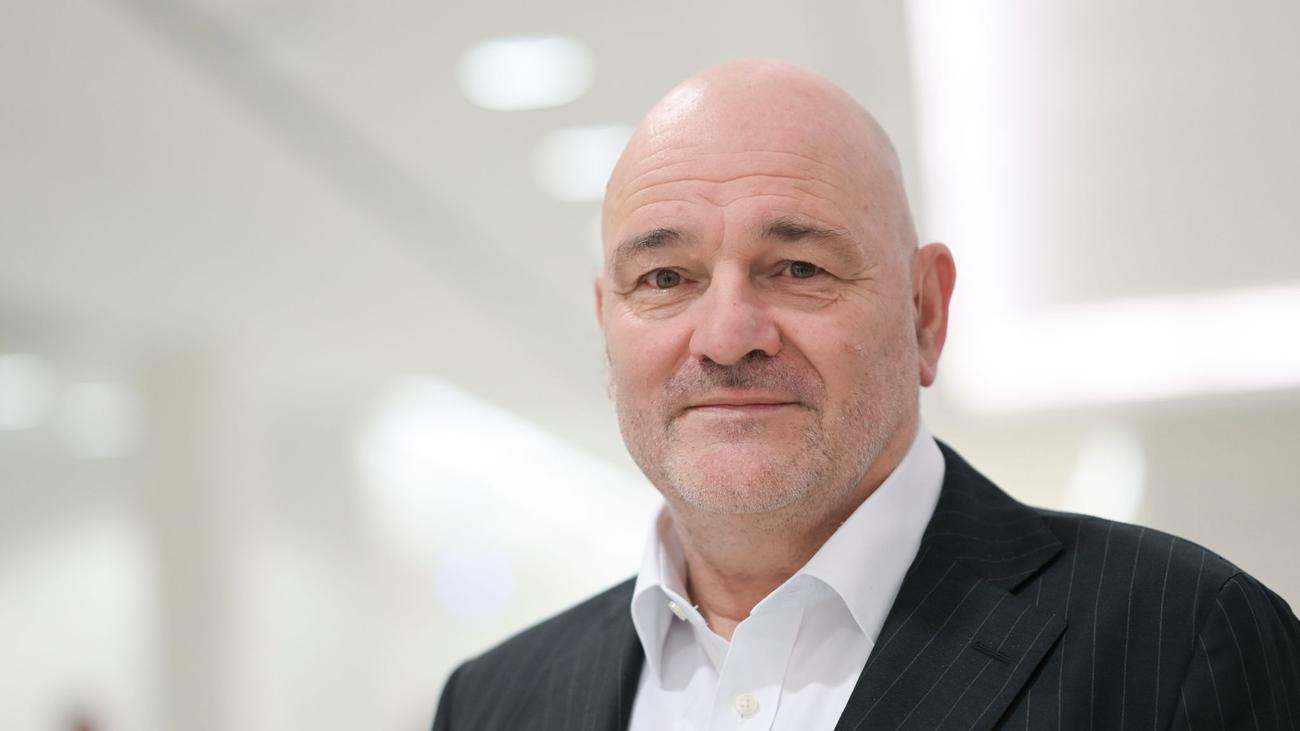
Brandenburg's Transport Minister Robert Crumbach has hinted at possible further deregulation in regional transport, but emphasized that existing services will be secured. He also ruled out taktverdichtungen on certain routes and major service cuts.
Imagine you're on a train, and you see a lot of empty seats. The train company might think, 'Hey, we can make this train run less often and save some money.' But what if this train is really important for people who live in that area? They might not have another way to get to work or school. This is what's happening in Brandenburg, where the transport minister is talking about cutting some train routes to save money.
Analysis
A $60B Vote of Confidence
Brandenburg's Transport Minister Robert Crumbach has sent shockwaves through the regional transport sector with his recent comments on possible further deregulation. While emphasizing that existing services will be secured, Crumbach has hinted at the possibility of further cuts to non-essential routes. This move has been met with concern from transport unions and local communities, who fear the impact on jobs and services.
Crumbach's comments have sparked debate about the future of regional transport in Brandenburg. While some argue that deregulation is necessary to ensure the long-term sustainability of the sector, others believe that it will lead to further cuts and job losses. As the situation unfolds, it remains to be seen how the government will balance the need for cost-cutting measures with the need to protect essential services.
Why Cursor?
The question on everyone's mind is: what does this mean for the future of regional transport in Brandenburg? Will further deregulation lead to a more efficient and cost-effective service, or will it result in further cuts and job losses? Only time will tell, but one thing is certain: the impact will be felt across the sector.
The Road Ahead
As the situation continues to unfold, it is clear that the future of regional transport in Brandenburg is uncertain. While Crumbach's comments have sparked debate, it remains to be seen how the government will balance the need for cost-cutting measures with the need to protect essential services. One thing is certain: the impact will be felt across the sector, and it will be interesting to see how the situation develops.
Key points
- Brandenburg's Transport Minister Robert Crumbach has hinted at possible further deregulation in regional transport.
- Existing services will be secured, but non-essential routes may be cut.
- Transport unions and local communities are concerned about the impact on jobs and services.
- The government will need to balance the need for cost-cutting measures with the need to protect essential services.
If this development plays out positively, it could lead to a more efficient and cost-effective regional transport service in Brandenburg. This could result in better services for passengers and a more sustainable transport network.
However, if this development plays out negatively, it could lead to further cuts and job losses in the regional transport sector. This could have a significant impact on local communities and the economy as a whole.