Brands using AI-generated influencers to promote products on social media
An investigation reveals brands are increasingly using AI-generated influencers on social media to promote products, often without disclosing that the content features artificial individuals.
Intelligence analysis by Gemini 2.5 Flash
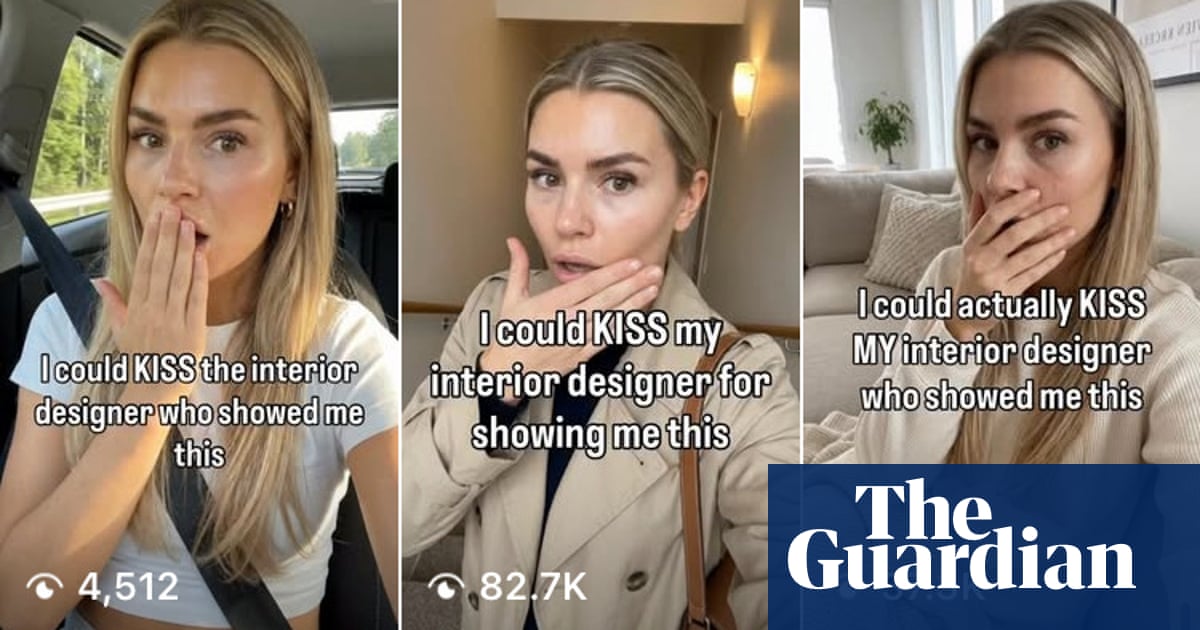
Companies are quietly deploying AI-generated influencers to create promotional content mimicking genuine customer experiences, leading to calls for greater transparency. With no explicit rules requiring disclosure in the UK, consumers may be frequently misled by content featuring non-real people.
Imagine a toy company wants to sell a new doll. Instead of hiring a real kid to play with it in a commercial, they use a super smart computer program to make a fake kid who looks totally real and acts like they love the doll. The problem is, they don't tell anyone it's a fake kid! This makes it hard for you to know if a product is really good or if a computer is just pretending.
Analysis
The Rise of Undisclosed AI Marketing
The digital advertising landscape is undergoing a significant transformation with the quiet integration of AI-generated influencers by various brands. An investigation has brought to light that companies are increasingly leveraging artificial intelligence to create promotional content that purports to show genuine customer experiences, yet provides no clear indication that the individuals featured are not real. This practice extends beyond simple product showcases, with some content creators even being asked to sign non-disclosure agreements, further obscuring the artificial nature of the marketing.
This development underscores a critical regulatory void. Currently, there are no specific rules in the UK mandating brands to disclose when advertising content has been created using AI. While the EU's Artificial Intelligence Act, set to apply in August, will require clear labeling for AI-generated or manipulated content like deepfakes, this legislation will not extend to the UK. This disparity creates a fragmented regulatory environment, potentially allowing UK-based or UK-targeting brands to operate with less transparency compared to their EU counterparts, impacting consumer protection across different markets.
Eroding Consumer Trust and Market Integrity
The implications of undisclosed AI-generated influencers are far-reaching, primarily impacting consumer trust and the integrity of advertising. Consumer groups like Which? advocate for clear disclosure, citing research that shows a significant majority of people struggle to differentiate between real and fake videos. This vulnerability makes consumers susceptible to being misled and potentially targeted by scams, as the authenticity of online content becomes increasingly ambiguous.
Examples such as the "Once" photo app, which allegedly used AI-generated brides to promote its service, and the "Maket" app, which experimented with AI influencers for design projects, illustrate the practical application of this technology. While Maket described its use as an "experiment" to test marketing concepts, the lack of disclosure in such instances blurs the lines between genuine testimonials and fabricated endorsements. The case of the fashion brand Ashle, which deleted images after inquiries about an AI-generated model with an extra finger, further highlights the potential for misleading imagery and the reactive measures brands might take when confronted.
Regulatory Challenges and Future Outlook
The Advertising Standards Authority (ASA) in the UK acknowledges that its current rules do not explicitly prohibit undisclosed AI-generated promotional content. The ASA's stance is that the issue lies not with the use of AI itself, but whether the resulting advertisement is misleading. This perspective places the onus on proving deception rather than mandating transparency from the outset, which consumer advocates argue is insufficient given the sophistication of AI.
The challenge for regulators is to adapt existing frameworks to address the nuances of AI-driven marketing without stifling innovation. The ability of AI to create "hyperrealistic, aspirational digital humans," as noted by creators like Clarissa Mansbridge, means that the distinction between real and artificial will only become harder for the average consumer to discern. Without proactive regulation requiring clear labeling, the economic landscape of influencer marketing risks becoming a minefield of unverified claims and manufactured authenticity, potentially leading to a broader erosion of public trust in digital advertising and impacting purchasing decisions based on false pretenses.
Key points
- Brands are increasingly using AI-generated influencers on social media without disclosing their artificial nature.
- There are currently no specific rules in the UK requiring disclosure for AI-generated advertising content.
- The EU's AI Act will mandate labeling for AI-generated content starting in August, but this won't apply to the UK.
- Consumer groups like Which? are calling for greater transparency due to concerns about misleading content and consumer deception.
- The Advertising Standards Authority (ASA) focuses on whether an ad is misleading, rather than the use of AI itself.
The use of AI-generated influencers could allow brands to efficiently test diverse creative concepts and marketing strategies at a smaller scale, potentially leading to more targeted and effective campaigns. This innovation could reduce marketing costs and enable businesses to better understand audience preferences before investing in broader, more expensive initiatives.
The widespread, undisclosed use of AI-generated influencers risks significantly eroding consumer trust in online advertising and social media content. This could lead to increased skepticism towards all brand promotions, making it harder for genuine businesses to connect with customers and potentially opening the door for more sophisticated scams and misinformation.