Britain’s Jurassic gold rush: the fossil hunters chasing fortunes on Dorset’s beaches
Fossil hunting is a popular pastime on the Jurassic Coast, with some discoveries showing up on social media. A growing number of collectors are searching for Jurassic fossils, creating a thriving marketplace that has made some collectors social media celebrities and other…
Intelligence analysis by Llama
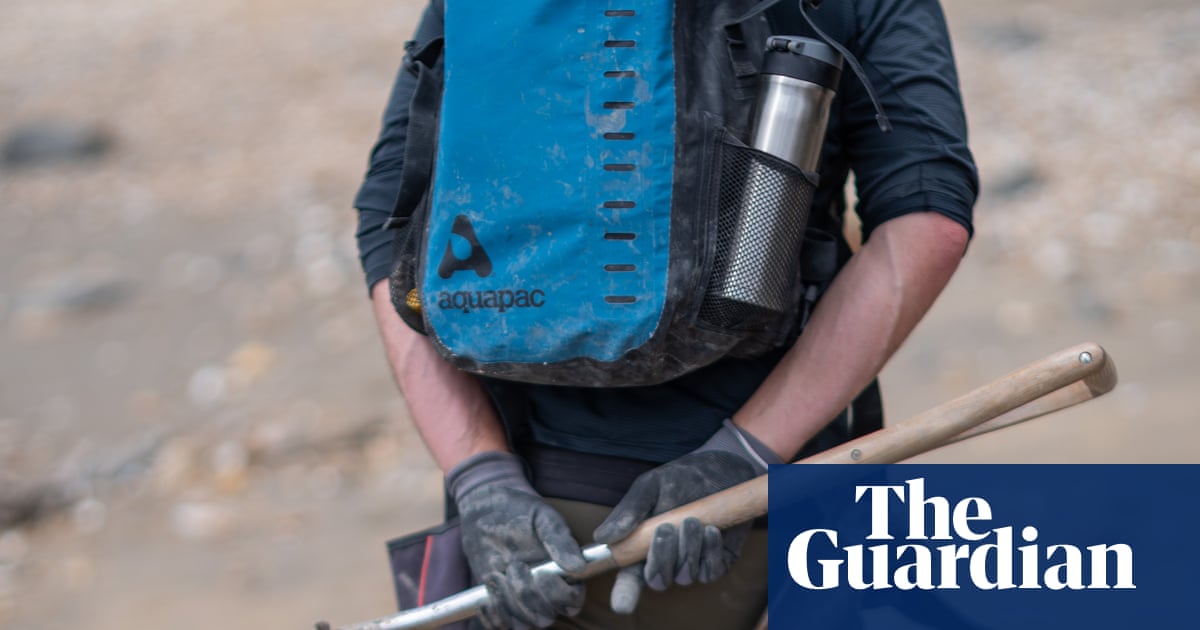
Fossil hunting is a popular pastime on the Jurassic Coast, with some discoveries showing up on social media. A growing number of collectors are searching for Jurassic fossils, creating a thriving marketplace that has made some collectors social media celebrities and others very wealthy.
Imagine you're on a beach, and you're searching for old fossils from creatures that lived 190 million years ago. Some people are searching for these fossils because they're worth a lot of money, and they can be very valuable. It's like a treasure hunt, but instead of treasure, you're looking for old bones and rocks.
Analysis
Britain's Jurassic Gold Rush: A Thriving Marketplace of Fossils
The Jurassic Coast in Dorset, England, has long been a hotspot for fossil hunting. The area's unique geological and natural factors make it an ideal place to find fossils, and the industry has grown significantly in recent years. Social media and soaring prices have fueled a fossil-hunting boom, with rare discoveries worth thousands of pounds.
Martin Curtis, a professional guide and fossil hunter, has spent his entire life searching for fossils on the Jurassic Coast. He knows the beaches intimately and has turned his hobby into a business, running guided fossil walks and selling specimens he has painstakingly revealed from the surrounding rock. Curtis is not alone in his pursuit of fossils; a growing number of collectors are searching for Jurassic fossils, creating a thriving marketplace that has made some collectors social media celebrities and others very wealthy.
The sale of one of Britain's most significant collections of Jurassic fossils to a museum in Abu Dhabi for an eight-figure sum has highlighted the value of these ancient relics. The collection, amassed by private fossil collector Chris Moore, included 318 specimens, some of which may represent species previously unknown to science. While British museums lacked the funds to acquire Moore's collection, wealthy institutions in the Gulf did not.
Fossil hunting is not a modern pursuit; perhaps England's best-known fossil hunter and dealer, Mary Anning, was born at nearby Lyme Regis in 1799 and made breathtaking discoveries along this coastline. Anning's name and image are everywhere, from information boards along the seafront to the colourful Charmouth Heritage Coast Centre overlooking the beach. Here, fossil collecting is largely encouraged.
The West Dorset fossil collecting code of conduct notes that 'on the rapidly eroding West Dorset coast, fossil collecting is essential if specimens, some of which may be of great scientific value, are to be saved from damage or destruction by the sea.' And just as Anning sold many of her discoveries, fossils are still bought and sold today. Downstairs is a shop where small ammonites can be picked up for a few pounds, while larger specimens, painstakingly prepared within their surrounding rock, sell for several hundred.
Professional collectors have the most time, are able to react quickly to events that uncover the fossils – ie: storms and landslides – and have a great deal of local knowledge. But they need to sell their finds in order to earn a living. As Curtis points out, 'I'm a big ammonite fan. They are my favourite fossils, and I've got loads of rocks at home with some really nice big special ammonites in, waiting to be prepared.'
The industry has grown significantly in recent years, with social media and soaring prices fueling a fossil-hunting boom. Rare discoveries worth thousands of pounds have made some collectors social media celebrities and others very wealthy. The sale of one of Britain's most significant collections of Jurassic fossils has highlighted the value of these ancient relics, and the industry is likely to continue growing in the coming years.
The Thriving Marketplace of Fossils
The Jurassic Coast in Dorset, England, has long been a hotspot for fossil hunting. The area's unique geological and natural factors make it an ideal place to find fossils, and the industry has grown significantly in recent years. Social media and soaring prices have fueled a fossil-hunting boom, with rare discoveries worth thousands of pounds.
Martin Curtis, a professional guide and fossil hunter, has spent his entire life searching for fossils on the Jurassic Coast. He knows the beaches intimately and has turned his hobby into a business, running guided fossil walks and selling specimens he has painstakingly revealed from the surrounding rock. Curtis is not alone in his pursuit of fossils; a growing number of collectors are searching for Jurassic fossils, creating a thriving marketplace that has made some collectors social media celebrities and others very wealthy.
The sale of one of Britain's most significant collections of Jurassic fossils to a museum in Abu Dhabi for an eight-figure sum has highlighted the value of these ancient relics. The collection, amassed by private fossil collector Chris Moore, included 318 specimens, some of which may represent species previously unknown to science. While British museums lacked the funds to acquire Moore's collection, wealthy institutions in the Gulf did not.
The Value of Fossils
The sale of one of Britain's most significant collections of Jurassic fossils has highlighted the value of these ancient relics. The collection, amassed by private fossil collector Chris Moore, included 318 specimens, some of which may represent species previously unknown to science. While British museums lacked the funds to acquire Moore's collection, wealthy institutions in the Gulf did not.
Fossil hunting is not a modern pursuit; perhaps England's best-known fossil hunter and dealer, Mary Anning, was born at nearby Lyme Regis in 1799 and made breathtaking discoveries along this coastline. Anning's name and image are everywhere, from information boards along the seafront to the colourful Charmouth Heritage Coast Centre overlooking the beach. Here, fossil collecting is largely encouraged.
Key points
- Fossil hunting is a popular pastime on the Jurassic Coast, with some discoveries showing up on social media.
- A growing number of collectors are searching for Jurassic fossils, creating a thriving marketplace that has made some collectors social media celebrities and others very wealthy.
- The sale of one of Britain's most significant collections of Jurassic fossils to a museum in Abu Dhabi for an eight-figure sum has highlighted the value of these ancient relics.
- Fossil hunting is not a modern pursuit; perhaps England's best-known fossil hunter and dealer, Mary Anning, was born at nearby Lyme Regis in 1799 and made breathtaking discoveries along this coastline.
The industry is likely to continue growing in the coming years, with more collectors searching for Jurassic fossils and creating a thriving marketplace. This could lead to more discoveries and a greater understanding of the ancient creatures that lived on Earth.
The sale of one of Britain's most significant collections of Jurassic fossils to a museum in Abu Dhabi for an eight-figure sum has highlighted the value of these ancient relics. However, this also raises concerns about the ownership and preservation of these fossils, and whether they will be accessible to the public in the future.