Britons stockpiling water and food tins but not panic buying, figures show
UK shoppers increased purchases of essentials like bottled water and tinned goods after a government campaign, but data suggests this was not panic buying.
Intelligence analysis by Gemini 2.5 Flash Lite
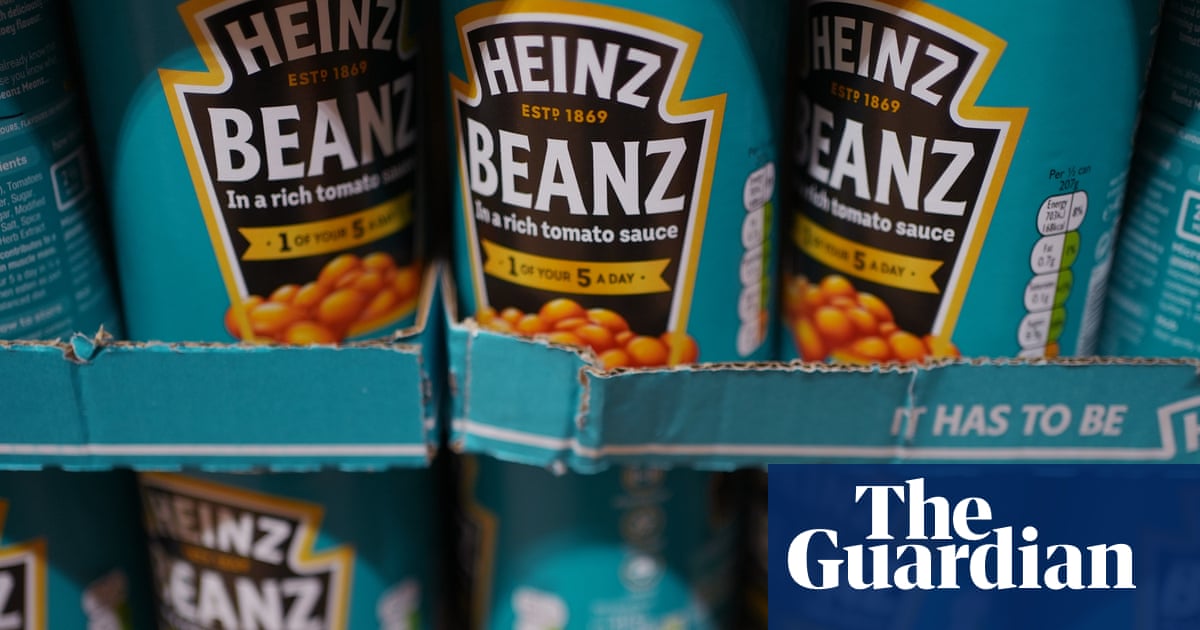
Following the government's 'Be Ready' campaign, British consumers significantly boosted their purchases of emergency supplies, including hand sanitiser, bottled water, and tinned foods. Retail analysts interpret this as a measured response to official advice rather than a widespread panic, with shoppers integrating recommended items into their regular shops.
Imagine your parents told you to keep a few extra snacks and water bottles in case of a big storm. People did that after the government said to be ready for emergencies, buying more water and canned food. But they didn't rush to buy everything all at once, like in a panic, they just added a few extra things to their normal shopping.
Analysis
Be Ready Campaign Response
The 'Be Ready' campaign, launched by the UK government, aimed to encourage households to stockpile up to three days' worth of food and nine litres of bottled water in preparation for potential disruptions to essential services, such as those caused by cyber-attacks or extreme weather events. Post-campaign data from Worldpanel by Numerator reveals a notable uptick in sales of key items. In the ten days following the campaign's launch, sales of hand sanitiser saw an 83% surge compared to the same period last year. Similarly, bottled water sales rose by 67%, and sales of tinned and jarred goods increased by 37%. The number of shoppers buying tinned meat daily also jumped by 43%, representing an additional 400,000 shoppers per day. However, the typical purchase quantity remained consistent, suggesting consumers were adding recommended items rather than hoarding.
Fraser McKevitt, head of retail and consumer insight at Worldpanel by Numerator, clarified that this behaviour aligns with the campaign's intent. "Shoppers clearly took notice of the Be Ready campaign, but this wasn’t panic buying," he stated. He observed that less than a third of households purchased bottled water in October, and the growth was driven by more consumers adding specific recommended items to their regular shopping lists, rather than mass purchases. This measured approach indicates a successful communication of the campaign's objectives, fostering preparedness without inducing widespread alarm or market distortion.
Grocery Inflation and Consumer Budgets
Alongside the stockpiling trend, the Worldpanel data also highlighted a slight increase in grocery inflation in Great Britain, which rose to 2.6% in the four weeks leading up to 1 November, up from 2.5% the previous month. This follows a period of slowing inflation during the summer. McKevitt noted that household budgets are already strained due to the recent rise in the energy price cap, coinciding with colder weather in October. Consequently, consumers are expected to be highly price-conscious throughout the winter. This inflationary environment, coupled with the need to prepare for emergencies, presents a complex challenge for both consumers and retailers, requiring careful management of spending and inventory.
Retail Performance and Market Share Shifts
The article also touches upon the broader retail landscape, noting that retailers are entering the "golden quarter," a critical period encompassing Christmas, Black Friday, and Cyber Monday. This period is crucial for sales, especially for big-ticket items, and retailers are anticipating shoppers will be looking for value. In October, overall grocery sales climbed by 2.2% year on year. Significant shifts in market share were observed, with Lidl overtaking Morrisons to become the fifth-largest grocer, driven by a 6.6% sales increase. Ocado and Marks & Spencer also reported strong growth. Asda was the only major grocer to experience a sales dip, prompting a focus on its new chief executive's strategy to revitalise performance.
Key points
- British shoppers increased purchases of bottled water, tinned goods, and hand sanitiser following the government's 'Be Ready' campaign.
- Retail analysts indicate this was a measured response to official advice, not panic buying, with consumers integrating items into regular shops.
- Grocery inflation in Great Britain edged up to 2.6% in the four weeks to 1 November, adding pressure to household budgets.
- Lidl overtook Morrisons in market share, becoming the fifth-largest grocer, while Asda was the only major grocer to report a sales dip.
- Younger adults (18-34) are less prepared for emergencies than older demographics (55+).
The measured response to the 'Be Ready' campaign suggests a public that is capable of preparing for emergencies without succumbing to panic, which could lead to more resilient communities. This preparedness could mitigate the impact of future disruptions on essential services and supply chains.
Despite the lack of panic buying, the increase in demand for essentials, coupled with rising grocery inflation, places additional strain on household budgets. This could disproportionately affect lower-income families who may struggle to afford both everyday necessities and emergency supplies.