Sales of tinned food and bottled water jump after 'Be Ready' campaign launch
Sales of essential items like bottled water and tinned food surged after the UK government's 'Be Ready' campaign launched on October 22. Research shows significant increases in hand sanitiser, bottled water, and canned goods purchases.
Intelligence analysis by Gemini 2.5 Flash Lite

The UK government's 'Be Ready' campaign, which encouraged citizens to stock up on essentials for potential disruptions, appears to have been effective. Retail data indicates a notable rise in sales of bottled water, tinned goods, and hand sanitiser in the 10 days following the campaign's launch, with analysts noting it was not panic buying but a gradual stocking up.
Imagine your parents told you to pack a small backpack with snacks and water for a surprise trip. After they told you, you started putting a few extra juice boxes and granola bars in your regular school bag. That's what people did with the 'Be Ready' campaign – they slowly added a few extra cans of soup and bottles of water to their shopping carts, not because they were scared, but because they were told it was a good idea.
Analysis
'Be Ready' Campaign's Impact on Consumer Stockpiling
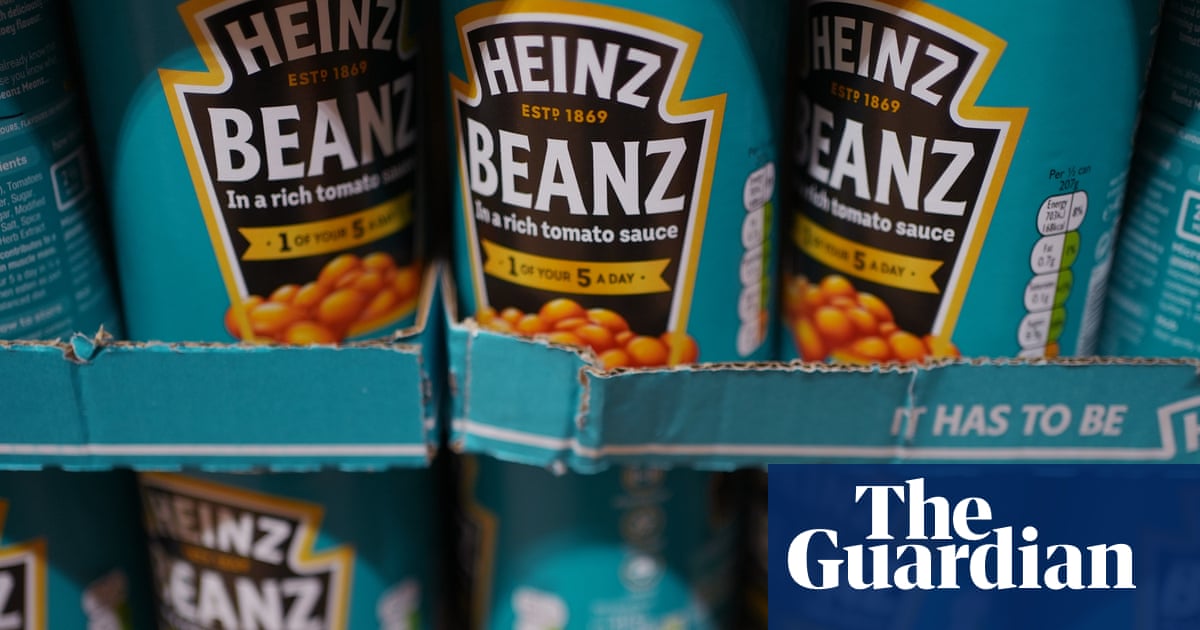
The launch of the UK government's 'Be Ready' campaign on October 22 has demonstrably influenced consumer purchasing habits, leading to a significant uptick in sales of essential emergency supplies. Data from Worldpanel by Numerator reveals that in the 10 days following the campaign's inception, sales of hand sanitiser increased by 83%, bottled water by 67%, and tinned and jarred goods by 37%. This surge suggests that the public heeded the government's call to prepare for potential disruptions to essential services, whether caused by severe weather or cyberattacks.
The research firm's analysis, however, carefully distinguishes this trend from panic buying. Fraser McKevitt, head of retail and consumer insight at Worldpanel by Numerator, noted that less than a third of households purchased bottled water in October, and the typical quantity of tinned goods bought remained consistent, indicating a gradual stocking-up rather than a frenzied acquisition of goods. This aligns with the campaign's objective of encouraging households to gradually integrate recommended items into their regular shopping routines, ensuring a three-day supply of food and water without causing undue market strain or public alarm.
Princes' Tuna and Meat Demand Surge
Further corroboration of the campaign's effect comes from the food industry itself. Princes, a prominent food company, reported an increase in demand for its tinned tuna, meat, and vegetable products in the wake of the government's initiative. Giuseppe Mastrolia, interim chief executive of Princes, stated that this heightened demand "further reinforces the relevance of our core categories in providing affordable, nutritious and convenient food solutions." This sentiment underscores the dual benefit of the campaign: promoting public preparedness while simultaneously providing a boost to manufacturers of staple food items, highlighting the role of these products in ensuring household resilience and food security during uncertain times.
The 'Be Ready' campaign specifically advises British households to maintain a stock of items such as bottled water and non-refrigerated, long-life foods like dried fruit and nuts. The campaign's messaging, amplified by figures like Prime Minister Andy Burnham, who stressed the importance of having supplies to 'get you through those moments,' has clearly resonated with the public. The campaign's focus on practical, everyday items aims to empower individuals to take proactive steps towards self-sufficiency, thereby mitigating the impact of potential crises on both individuals and the broader infrastructure.
Consumer Behaviour and Preparedness
The observed increase in sales of specific items like tinned goods and bottled water, coupled with the absence of panic-buying indicators, suggests a maturing approach to emergency preparedness among the UK populace. Consumers are integrating preparedness into their regular consumption patterns, a behaviour that the government's 'Be Ready' campaign has successfully encouraged. This shift from reactive crisis management to proactive household resilience is a significant development in public safety and consumer behaviour.
The campaign's success in driving sales of recommended items without triggering panic buying demonstrates a well-calibrated public information strategy. By focusing on practical advice and the gradual accumulation of supplies, the government has managed to foster a sense of preparedness without inducing fear or market instability. This approach not only enhances individual and community resilience but also supports the food industry by sustaining demand for essential, affordable products, thereby contributing to economic stability alongside public safety.
Key points
- Sales of bottled water, tinned food, and hand sanitiser increased significantly after the 'Be Ready' campaign launch.
- Retail data indicates this was a gradual stocking-up, not panic buying.
- The government campaign encouraged a three-day supply of food and water.
- Food firm Princes reported a rise in demand for its tinned goods.
- The campaign aims to prepare households for disruptions from severe weather or cyberattacks.
The campaign's success could lead to a more resilient population better equipped to handle disruptions, reducing strain on emergency services. Increased demand for essential goods may also provide a sustained, albeit modest, boost to the food manufacturing and retail sectors.
If the campaign's message is misinterpreted or if actual disruptions occur without adequate public awareness, the stockpiling effect might be insufficient. Over-reliance on individual preparedness could also potentially mask systemic vulnerabilities in essential service provision.