BTS are back: return of K-pop superstars sparks US economic boom
BTS's first world tour after a four-year hiatus is driving significant US consumer spending, with Las Vegas shows alone generating an estimated $340m in May, ahead of 14 more North American dates.
Intelligence analysis by Llama
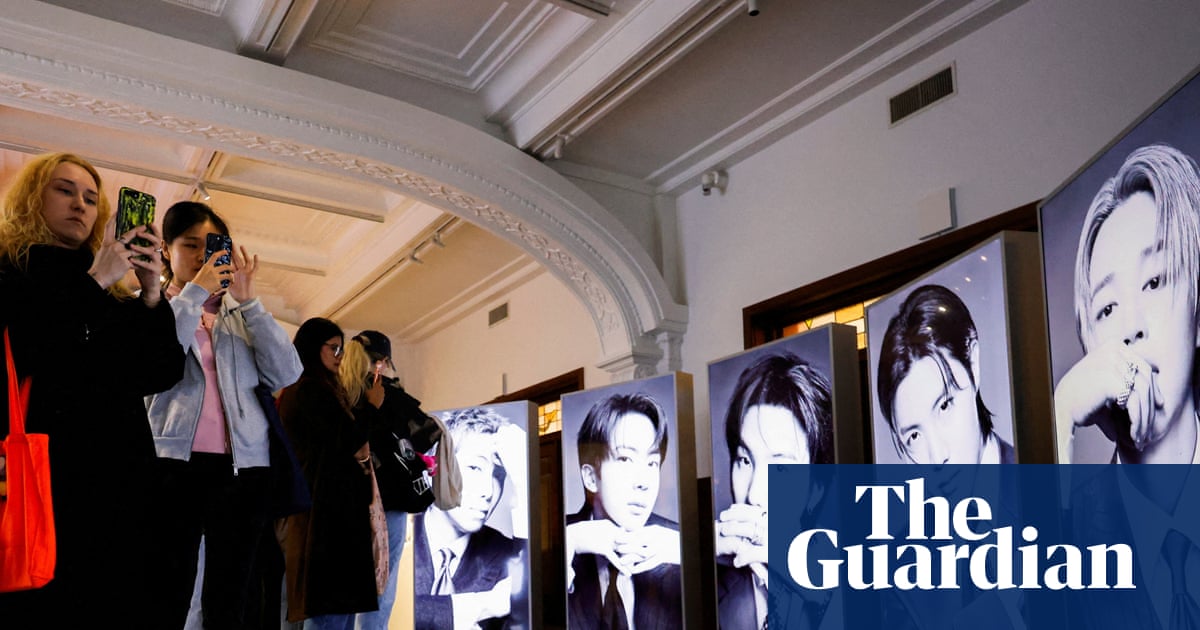
BTS's return to North America for 14 stadium shows in August and September is producing outsized local economic effects, drawing parallels to the World Cup final at MetLife Stadium. Label HYBE reported record quarterly revenue of $993m as the group's 'Arirang' tour reshapes fan spending in host cities.
When a huge music group comes to town, fans fly in, sleep in hotels, eat at restaurants, and buy T-shirts. BTS's tour is so big that one US city made about $340 million in just a few shows, like a mini World Cup for shopping and food.
Analysis
Las Vegas Sets the Benchmark
Four sold-out BTS shows in Las Vegas in May produced an estimated $340m in local economic activity, according to the Guardian's reporting on Tourism Economics estimates. That figure spans both Strip-scale venues and neighborhood spots like Chinatown cafes, indicating that fan spending radiates well beyond ticket revenue. With 14 more North American dates across six US cities in August and September, the cumulative impact is likely to be a multiple of the Vegas number. Analysts are already framing the tour in the same conversation as major sporting events, which gives a sense of the scale under discussion.
The MetLife Comparison
Michael Mariano, head of economic development at Tourism Economics, said BTS will "easily compare [to] or even exceed Fifa's economic impact just on average spending" when fans descend on MetLife Stadium on 1 and 2 August. The comparison point is the World Cup final at the same venue a few weeks earlier, which itself featured a BTS performance. The framing matters because the World Cup is treated as a once-in-a-generation tourism event, and Tourism Economics is using it as the yardstick. If per-fan spending holds, the multiplier effect on hotels, transit, and restaurants around the stadium will be visible in third-quarter data.
Soft Power With a Receipt
The tour is being paired with HYBE's "BTS The City – Arirang" project, a curated map of Korean restaurants, cultural centers, and exhibits designed to capture fan dollars and attention. The Korean Cultural Center New York, the Arte Museum's BTS-themed digital art exhibit, New Wonjo's members-inspired menu, and Seoul Bingsu's pop-up are all part of the funnel. For HYBE, the payoff is already showing in the numbers: record-high quarterly revenue of $993m, per the Guardian. The tour is functioning as a soft-power export engine, with measurable downstream effects on Korean dining, beauty, and tourism brands seeking to convert casual fans into long-term customers.
Key points
- Four sold-out BTS shows in Las Vegas in May generated an estimated $340m in local economic activity, per Tourism Economics.
- The group is scheduled for 14 more North American dates across six US cities in August and September, including two at MetLife Stadium on 1 and 2 August.
- Tourism Economics' Michael Mariano expects per-fan spending to match or exceed the World Cup final at the same stadium.
- Label HYBE reported record-high quarterly revenue of $993m on the back of the 'Arirang' album and tour rollout.
- HYBE's 'BTS The City – Arirang' project is funneling fans to Korean restaurants, the Korean Cultural Center New York, and a BTS-themed exhibit at the Arte Museum.
If the Las Vegas per-show spending of roughly $85m holds across the remaining 14 North American dates, the tour could generate well over $1bn in local US economic activity and reinforce K-pop as a reliable tourism tailwind for host cities. HYBE's record $993m quarterly revenue suggests the label has room to expand the 'BTS The City' model into more markets, deepening the cultural-export dividend beyond concert weekends.
The boom is concentrated in a handful of dates and host cities, and most of the spending accrues to a narrow set of partner venues and hotels. If tour fatigue, weaker album reception for 'Arirang', or a single high-profile security or logistics incident dampens fan turnout, the per-show multiplier could fall well below the Las Vegas benchmark, and the soft-power halo for Korean brands could prove shallower than the current hype suggests.