Burnham announces bus fares across England to be capped at £2
Prime Minister Andy Burnham has announced a £2 cap on single bus fares across England, excluding London, effective January 2027, as a key cost of living measure. The scheme, costing over £500m, will be funded by reallocating international climate finance and departmental …
Intelligence analysis by Gemini 2.5 Flash
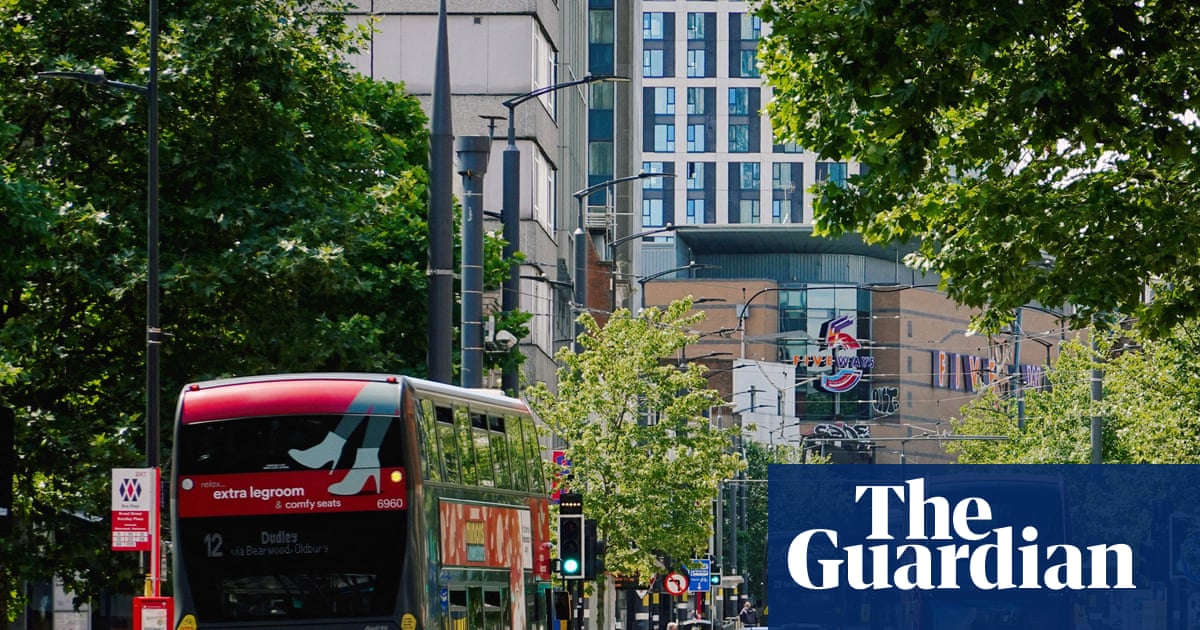
As part of his initial cost of living initiatives, Prime Minister Andy Burnham has introduced a £2 cap on single bus fares across England, excluding London, starting January 2027. This policy, estimated to cost over £500m, reverses a previous increase and is financed by redirecting international climate finance into loans and securing savings from government departments, aiming to pro…
Imagine bus tickets usually cost a lot, like £3 or more. Now, the new boss of the country, Andy Burnham, says that for most places in England, a single bus ride will only cost £2, like a small toy. This helps grown-ups save money so they have more for other things, like food or clothes. The government is paying for the difference by moving money from other projects, like changing how they help other countries with climate change from giving gifts to giving loans.
Analysis
A New Approach to Cost of Living Relief
Prime Minister Andy Burnham's announcement of a £2 cap on single bus fares across England, excluding London, marks a significant intervention aimed at alleviating the cost of living crisis. Effective from January 2027 and lasting throughout the year, this measure is framed as providing "breathing space" for millions of people struggling with rising expenses. It directly targets a fundamental household cost, making essential travel more affordable and potentially increasing accessibility to employment, education, and social activities. This policy also represents a reversal of a previous increase implemented in 2024 by the former prime minister and chancellor, who had deemed a lower cap unaffordable. Burnham's move signals a clear intent to prioritize direct financial relief for citizens, echoing his earlier actions as mayor of Greater Manchester where he had already implemented a similar £2 limit.
Funding the £500m Commitment
The bus fare cap scheme is projected to cost more than £500m, with additional funds allocated to allow devolved governments to implement similar actions. The government has outlined specific funding mechanisms to ensure the scheme is fully financed. Approximately £400m will be sourced by converting investment in international climate finance from grants to loans, meaning the money is expected to be repaid. The remaining funds will come from savings identified within the budget of the Department for Energy Security and Net Zero, along with about £50m from existing Department for Transport funding already earmarked for buses. Transport Secretary Heidi Alexander insisted the scheme is "fully funded" and represents a "reprioritising money" or "switch spending" approach. This funding strategy, however, has drawn scrutiny, particularly in light of other cost of living measures, such as a cut to VAT on domestic electricity bills, which also faced questions regarding its financial backing.
Economic Implications and Political Scrutiny
The economic implications of the bus fare cap are multifaceted. On one hand, lower fares are expected to benefit households directly, potentially boosting local economies as people have more disposable income and greater mobility. The Trades Union Congress welcomed the measure, stating it is "good for households, businesses and local economies." On the other hand, the policy has ignited political debate regarding its broader economic philosophy. The shadow chancellor, Mel Stride, criticized Burnham's approach, suggesting it signals a desire to "go back to the 1970s" with "huge spending and state intervention, higher taxes, higher borrowing." This highlights a fundamental ideological divide on how best to manage the economy and address cost of living pressures, with the new government favoring direct intervention and the opposition warning of potential long-term fiscal consequences. The announcement comes as consumer prices index inflation fell to 2.6% in June, providing a backdrop of easing, but still present, inflationary pressures.
Key points
- Single bus fares across England (excluding London) will be capped at £2 from January 2027.
- The measure is expected to cost over £500m and will be funded by reallocating international climate finance to loans and departmental savings.
- Prime Minister Andy Burnham stated the cap aims to provide "breathing space" for people amidst the cost of living crisis.
- This policy reverses an increase implemented by the previous administration in 2024, which had set the cap at £3.
- The Trades Union Congress welcomed the cap and a related VAT cut on electricity bills, while the shadow chancellor criticized the approach as a return to 1970s-style spending.
The £2 bus fare cap, coupled with the VAT cut on electricity bills, is expected to provide tangible financial relief to millions of households, boosting disposable income and potentially stimulating local economies. This could lead to increased public transport usage, reducing reliance on private cars and contributing to environmental goals, while also making essential services more accessible.
Critics argue that the funding mechanisms, particularly reallocating international climate finance, could undermine other critical government objectives and may not be sustainable in the long term. Concerns about increased state intervention and potential for higher taxes or borrowing, as voiced by the shadow chancellor, suggest a risk of broader economic instability if these policies are not carefully managed.