'Risking blackouts'? How Great Britain's grid operator was dragged into a political row
Whistleblower allegations accuse Neso, Great Britain's grid operator, of covering up strain during June heatwaves. The government-owned body has hired outside investigators to review the claims.
Intelligence analysis by Llama
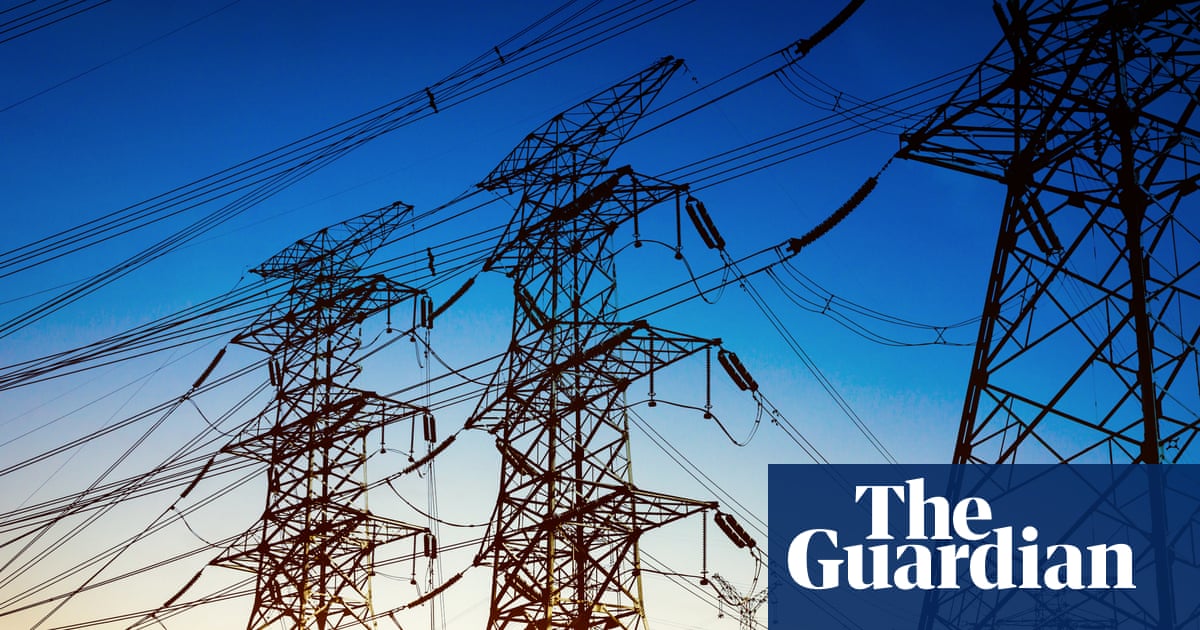
Conservative shadow energy secretary Claire Coutinho told parliament that Neso whistleblowers alleged senior managers ordered staff to skip normal note-keeping and pressured operators into reputation-protecting decisions during late-June heatwaves. Neso denies the claims and has brought in Eversheds Sutherland to investigate.
Britain's electricity grid is like a giant seesaw that has to stay perfectly balanced every second. During a hot week in June, the grid boss got very close to the edge, and some workers said the bosses told them not to write things down. Now lawyers are checking what really happened, while politicians argue about who is to blame.
Analysis
A control room under political fire
Neso's control room in Wokingham is built for second-by-second equilibrium between supply and demand, not for hostile headlines. Yet for much of June and July the staff who run it were not only managing a heat dome that flattened wind output, knocked French nuclear exports offline, and tripped gas plants — they were also fielding allegations from their own former colleagues. Shadow energy secretary Claire Coutinho told MPs that whistleblowers accused senior managers of ordering control room staff to skip normal note-keeping to avoid a full audit trail of their stabilisation efforts, and of pressing operators toward decisions that would protect the organisation's reputation. Coutinho framed the claims bluntly: staff, she said, were "worried that the grid is becoming increasingly unmanageable" and that senior bosses were "risking blackouts to protect Neso's reputation." Neso has rejected the characterisation and commissioned Eversheds Sutherland to conduct an independent review, but the political damage — and the procedural questions — have already been set.
What the grid actually did that week
The technical record offers a more measured, if still uncomfortable, picture. According to LCP Delta, the last week of June showed that summer heatwaves can "now create system conditions traditionally associated with winter scarcity events." Neso triggered emergency tools for the first time in a summer period, the Financial Times reported the operator spent almost £800,000 on demand-flexibility payments between mid-April and mid-July, and grid frequency dipped to 49.66Hz on 23 June — outside the normal 49.8–50.2Hz operating range for nearly an hour, but still above the 49.5Hz statutory floor. A former employee told the Guardian that the prolonged low-frequency window suggested Neso was exhausting its politically comfortable options before more disruptive measures, such as disconnecting industrial users, would have been needed. Neso director Craig Dyke countered that "no customer demand was disconnected, frequency remained within statutory limits, the voltage stayed within limits and no lines or cables were overloaded." Analysts also told the paper that Neso controllers breached normal limits on cross-Channel interconnector trading "several times" during the week.
The net-zero culture war the row has slipped into
The timing of the allegations is not accidental. The heatwave hit at the height of a renewed political argument over the pace and cost of Britain's net-zero transition, and the accusations have been woven into that narrative. The irony is uncomfortable: the emergency response that kept the grid stable in late June leaned heavily on gas-fired generation, triggering payments estimated at millions of pounds for a few hours of backup power and, in the process, the very carbon emissions that climate scientists link to the more frequent and more severe heatwaves now testing the system. For ministers and opposition alike, the affair offers a ready-made frame: either Neso's management is hiding incompetence, or its critics are weaponising a difficult week to undermine clean-energy policy. The Eversheds Sutherland inquiry will speak to the first question. The second is likely to outlast any investigation, and the next heatwave will arrive whether or not the political row is resolved.
Key points
- Conservative shadow energy secretary Claire Coutinho told MPs that Neso whistleblowers alleged a cover-up of grid strain during the late-June heatwave, including orders to skip normal note-keeping.
- Neso has denied the allegations and commissioned law firm Eversheds Sutherland to conduct an independent investigation.
- Grid frequency dropped to 49.66Hz on 23 June, outside the normal 49.8–50.2Hz operating range for nearly an hour, though still above the 49.5Hz statutory floor.
- Neso spent almost £800,000 on demand-flexibility payments between mid-April and mid-July, and triggered summer emergency tools for the first time, according to the Financial Times.
- Analysts said Neso breached normal cross-Channel interconnector trading limits several times during the week, and paid millions for short bursts of emergency gas-fired generation.
If the Eversheds Sutherland review clears Neso's management, the episode could reinforce public confidence that summer scarcity events are being managed with transparency and that the existing market tools — demand flexibility, interconnector trading, and emergency generation — are sufficient to bridge the gap until new clean capacity comes online.
If the review substantiates the whistleblower claims, the political fallout could undermine confidence in the institution that runs Britain's electricity system, delay or complicate the rollout of net-zero infrastructure, and expose how thinly stretched the grid's operating margins have become as climate-driven summer stress events become more frequent.