Burnham cuts VAT on electricity bills in first major policy announcement
UK Prime Minister Andy Burnham has announced a cut to VAT on electricity bills as his first major policy initiative. This move is intended to alleviate the cost of living pressures on households, with an estimated saving of £45 per year.
Intelligence analysis by Gemini 2.5 Flash Lite
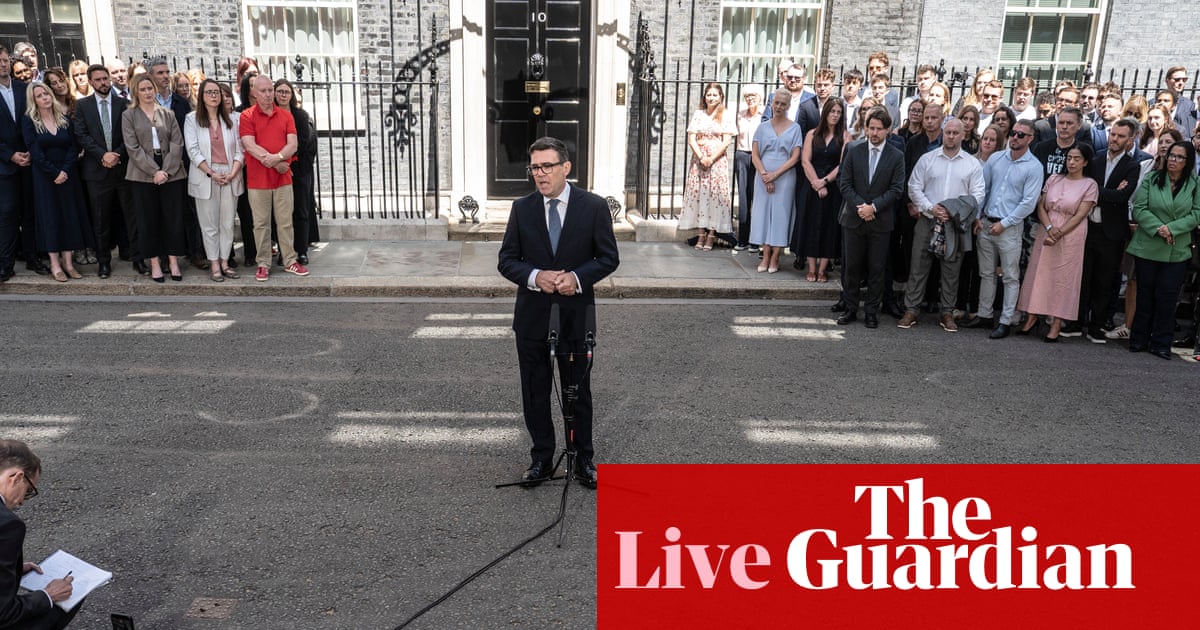
Andy Burnham's premiership begins with a significant policy announcement: a reduction in VAT on electricity bills. This move aims to directly address the cost of living crisis, promising households an annual saving of approximately £45. The policy is positioned as a statement of the new government's priorities.
Imagine your electricity bill is like a toy you bought, and the government added a little extra tax to it. The new Prime Minister, Andy Burnham, is taking some of that extra tax off the electricity toy, so it will be a little cheaper for your family to use. It's his first big idea to help people with their bills.
Analysis
A New Government's Opening Gambit
Andy Burnham's ascent to the role of Prime Minister is immediately characterized by a bold policy intervention aimed at easing the financial burden on households. The decision to cut Value Added Tax (VAT) on electricity bills, a move expected to save the average household around £45 annually, serves as his inaugural major announcement. This policy is not merely an economic measure; it is a clear signal of intent from a government seeking to differentiate itself from its predecessor and address the pressing issue of the cost of living crisis head-on. The timing and nature of this announcement suggest a strategic effort to win back public trust and demonstrate tangible benefits to voters struggling with rising energy costs.
Economic Priorities and Political Messaging
The cut to VAT on electricity bills is framed by the new government as a deliberate "statement of priorities." Business Secretary Jonathan Reynolds defended the policy against claims of being unfunded, describing it as a "straightforward switch spend." This suggests a reallocation of existing resources rather than new borrowing, a potentially crucial distinction in the current economic climate. The policy also appears to be an attempt to connect with voters who may have drifted towards parties like Reform, by focusing on tangible benefits for ordinary people and targeting areas that have historically struggled with underinvestment. The emphasis on growth in "every postcode" and support for towns and cities impacted by deindustrialization underscores a broader agenda of national renewal and equitable development.
Challenges and Scrutiny
Despite the government's framing, the policy is not without its critics. The Liberal Democrats have already voiced concerns, suggesting the policy is "coming apart at the seams" and remains unfunded, echoing earlier criticisms. Furthermore, the broader economic strategy, which includes a significant focus on devolution and a potential "fetishisation of the industrial past," has drawn cautious remarks from some experts who question whether such approaches are sufficient for modern economic prosperity. The promise to end rough sleeping, backed by £340m over three years, also faces scrutiny, with critics pointing to rising homelessness figures during Burnham's tenure as Greater Manchester mayor. These early challenges highlight the delicate balance the new administration must strike between delivering immediate relief and pursuing long-term, sustainable economic growth.
Key points
- Prime Minister Andy Burnham's first major policy announcement is a cut to VAT on electricity bills.
- The move is expected to save households approximately £45 per year.
- The government frames the policy as a "statement of priorities" to tackle the cost of living crisis.
- Critics, including the Liberal Democrats, have raised concerns about the policy being unfunded.
- Burnham also pledged £340m over three years to end rough sleeping in England.
If successful, this VAT cut could provide immediate relief to households struggling with energy costs, boosting consumer confidence and potentially stimulating spending in other areas. It could also set a precedent for future government interventions that prioritize direct financial support for citizens during economic downturns.
The policy might prove to be an unfunded or poorly managed intervention, leading to increased government borrowing or cuts elsewhere, thereby failing to provide sustainable relief. Critics may also argue that it distracts from more fundamental issues driving energy prices or fails to address the root causes of the cost of living crisis.