Burnham offers 20% cut in business rates for pubs, clubs and live music in England
The UK government has announced a 20% cut in business rates for pubs, clubs, and live music venues in England, aiming to provide significant financial relief.
Intelligence analysis by Gemini 2.5 Flash Lite
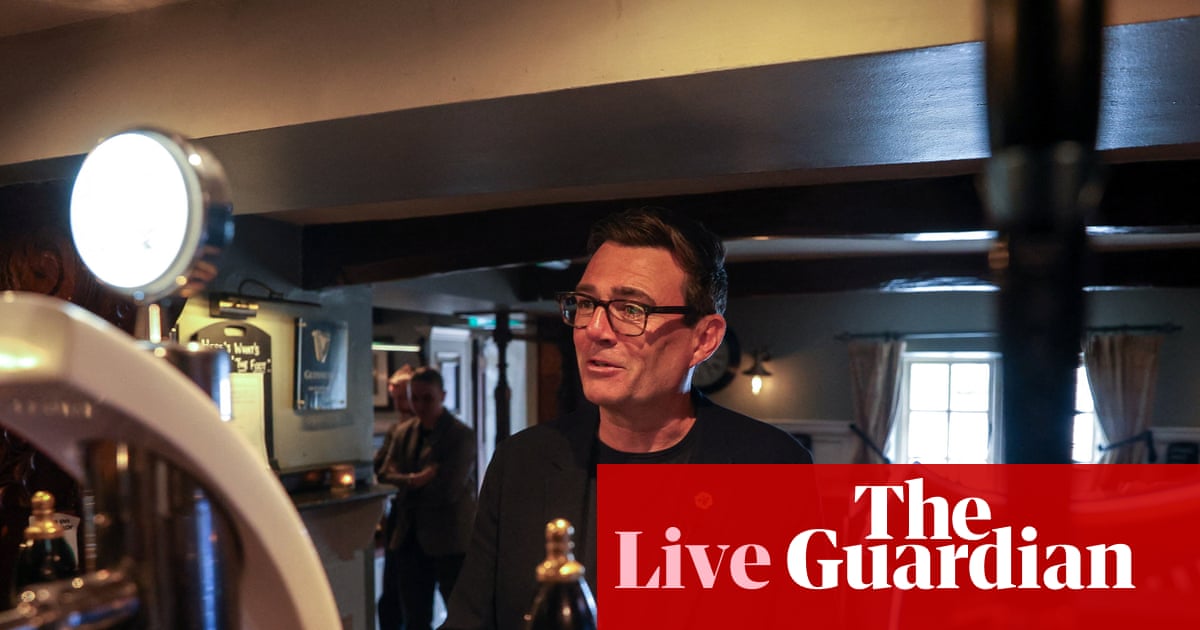
A new government initiative in England will reduce business rates by 20% for pubs, clubs, and live music venues, a move welcomed by industry groups but with calls for broader support and consistent application across the UK.
Imagine your favorite local pub or music spot is like a small shop. This new rule says the government will charge them less money for using their space, like giving them a discount on their rent. This is to help them stay open and keep playing music or serving drinks, especially since their costs have gone up a lot.
Analysis
A Targeted Economic Stimulus
The newly announced 20% reduction in business rates for pubs, clubs, and live music venues in England represents a significant policy intervention aimed at bolstering sectors that have faced considerable economic pressure. This measure, championed by Prime Minister Andy Burnham's administration, is presented as a direct response to the rising operational costs and the damage caused by previous business rate assessments that have reportedly sent bills soaring for many small businesses. The government asserts that this relief package is fully funded, with Chief Secretary to the Treasury Emma Reynolds indicating that the funding will be derived from measures such as reviewing business rate reliefs on products deemed to cause social harm, like vaping products, and by increasing tax compliance from online businesses that have evaded VAT.
Industry Reactions and Calls for Expansion
Industry representatives have largely welcomed the announcement, viewing it as a positive first step. Tina McKenzie, policy chair for the Federation of Small Businesses, described the move as encouraging but stressed that it should be a "downpayment" for more comprehensive support in the upcoming budget. The Music Venue Trust, an organization dedicated to protecting grassroots music venues, echoed this sentiment, with CEO Mark Davyd expressing warm welcome for the government's recognition of these venues' importance. However, Davyd also highlighted the need for consistent economic conditions across the UK, urging the devolved administrations in Scotland, Wales, and Northern Ireland to implement similar relief measures through the Barnett formula consequentials to ensure a level playing field for touring artists and businesses.
Implementation Challenges and Broader Concerns
While the 20% cut is seen as potentially meaningful, particularly for independent businesses that have experienced dramatic increases in business rates – some as high as 100-150% – questions remain about its scope and implementation. Iain Hoskins, owner of Ma Pub Group, noted that while the relief would help "chip away" at rising costs, he expressed doubt about how many venues would ultimately benefit. The Music Venue Trust also called for a reconsideration of eligibility criteria to ensure all live music spaces, regardless of size, qualify for the relief. Furthermore, the announcement comes amidst broader discussions about taxation, with the government stating that major tax policy changes are typically reserved for budgets, in response to calls for a wealth tax from prominent figures.
Key points
- England will implement a 20% cut in business rates for pubs, clubs, and live music venues.
- The government claims the package is fully funded through measures targeting social harm products and online VAT evasion.
- Industry groups welcomed the relief but called for broader support and consistent measures across the UK.
- Concerns exist regarding the scope of eligibility and the sufficiency of the cut to offset significant past rate increases.
The 20% business rate cut could significantly alleviate financial pressure on pubs, clubs, and music venues, helping them to remain viable and contribute to local economies and cultural vibrancy. If fully funded and effectively implemented, this could lead to increased investment in these establishments and a more robust live entertainment scene across England.
The relief might not be sufficient to counteract the scale of recent business rate increases or other rising operational costs, potentially leaving many venues struggling. Concerns about the funding mechanisms, such as the review of vape shop regulations and VAT compliance for online businesses, could lead to implementation delays or insufficient revenue generation, undermining the intended impact.