Cabinet Reshuffle: Frei Becomes Union Parliamentary Group Leader, Warken Moves to Chancellery
Chancellor Friedrich Merz announced a cabinet reshuffle: Thorsten Frei moves to lead the Union parliamentary group, Nina Warken becomes the first female head of the Federal Chancellery, and Carsten Linnemann takes over as Health Minister.
Intelligence analysis by Gemini 2.5 Flash
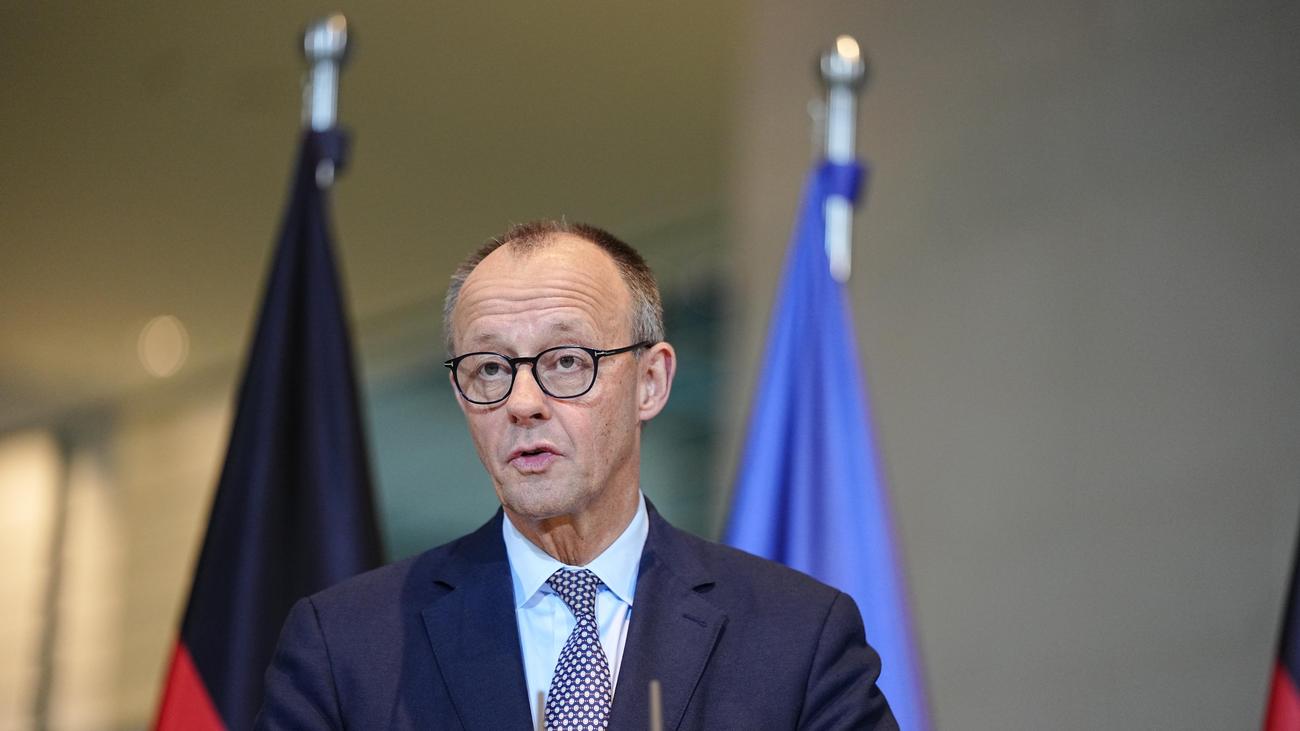
Chancellor Friedrich Merz has unveiled significant changes to his cabinet, including a historic appointment with Nina Warken becoming the first woman to lead the Chancellery, alongside new roles for Thorsten Frei and Carsten Linnemann, signaling a strategic realignment within the CDU-led government.
Imagine the boss of Germany, Chancellor Merz, is moving some of his team around. One important lady, Nina Warken, is getting a big new job, becoming the first woman ever to run the main office that helps the Chancellor. It's like changing who sits where in a very important classroom to make sure everyone is in the best spot to help run the country.
Analysis
A Historic Appointment at the Chancellery
The most significant announcement in Chancellor Friedrich Merz's cabinet reshuffle is the appointment of Nina Warken (CDU) as the new head of the Federal Chancellery. This move is historic, as it marks the first time a woman will lead this pivotal office in the history of the Federal Republic of Germany. Merz specifically highlighted Warken's proven ability to implement reforms, even when facing significant opposition, suggesting a desire for strong, decisive leadership at the heart of government operations. Her previous role as Health Minister likely provided her with valuable experience in navigating complex policy landscapes and managing large administrative portfolios.
This appointment could signal a strategic shift towards a more streamlined and assertive approach to policy execution. The Chancellery plays a crucial role in coordinating government policy, and placing a figure known for her reformist drive at its helm indicates Merz's intent to accelerate his administration's agenda. The symbolic weight of Warken's appointment as the first female Chancellery head also carries political significance, potentially enhancing the government's image regarding diversity and modern leadership.
Key Ministerial Changes and Their Implications
Beyond the Chancellery, the reshuffle includes other notable changes. Thorsten Frei (CDU), the outgoing Chancellery Minister, will transition to lead the Union parliamentary group. This move positions a seasoned government insider at the head of the parliamentary faction, potentially strengthening the coordination between the executive and legislative branches. Taking over the Health Ministry will be Carsten Linnemann (CDU), currently the CDU Secretary-General. Linnemann's appointment suggests a focus on continuity or a new direction in health policy, given his prominent party role.
Furthermore, Philip Amthor (CDU), previously a parliamentary state secretary, is elevated to Minister of State in the Chancellery, specifically tasked with federal-state relations. This new role underscores the importance the government places on inter-state cooperation and coordination, a critical aspect of Germany's federal system. Amthor's appointment could aim to improve communication and collaboration between the federal government and the individual states, potentially smoothing the path for national policies requiring state-level implementation.
Unconfirmed Shifts and Future Dynamics
Interestingly, Chancellor Merz chose not to confirm all rumored changes, specifically regarding the Federal Ministry of Transport. Prior reports from various media outlets and the dpa news agency had suggested that Federal Transport Minister Patrick Schnieder (CDU) was also expected to be replaced, with CDU financial politician Fritz Güntzler being considered as his successor. Merz's silence on this particular portfolio leaves an element of uncertainty regarding the full scope of the cabinet adjustments.
This unconfirmed aspect could indicate ongoing internal discussions or a strategic decision to delay further announcements. The reshuffle, even with its confirmed elements, reflects a dynamic political landscape within the CDU-led government. These changes are likely intended to optimize the government's performance, address specific policy challenges, and consolidate power within the ruling party. The full impact of these personnel shifts will unfold as the new ministers settle into their roles and begin to shape their respective policy areas.
Key points
- Chancellor Friedrich Merz announced a federal cabinet reshuffle.
- Thorsten Frei (CDU) will move from Chancellery Minister to lead the Union parliamentary group.
- Nina Warken (CDU), previously Health Minister, will become the head of the Federal Chancellery, a historic first for a woman.
- Carsten Linnemann (CDU), current CDU Secretary-General, will take over as Health Minister.
- Philip Amthor (CDU) will become Minister of State in the Chancellery, focusing on federal-state relations.
- Reports of a change at the Federal Ministry of Transport, with Patrick Schnieder potentially replaced by Fritz Güntzler, were not confirmed by Merz.
The appointment of Nina Warken, praised for her reform-driving capabilities, could lead to more efficient governance and successful implementation of key policies, especially given her historic role as the first female head of the Chancellery. The new team might bring fresh perspectives and renewed vigor to the government's agenda.
While the reshuffle aims to strengthen the government, the changes could face internal resistance or public skepticism, potentially slowing down policy implementation. Unconfirmed reports of further ministerial changes, if true, could also signal instability or internal disagreements within the ruling coalition.